
Seamless Transition to New Electrical Systems
Upgrading an industrial electrical system is rarely as simple as replacing old equipment with new. Every new switchgear lineup, motor control center, transformer, protective relay, or distribution panel must integrate with existing operations without disrupting production or compromising safety.
For manufacturers, processing facilities, utilities, and industrial plants, downtime can cost thousands of dollars per hour. That is why a seamless transition to new electrical systems depends on far more than quality installation. It requires thorough testing, verification, and commissioning before the system is placed into service.
At Recore Electric, every successful electrical upgrade begins long before the first switch is energized. Through comprehensive acceptance testing, commissioning, and system verification, facilities gain confidence that their new equipment will perform exactly as designed from day one.
Why Electrical System Transitions Are Challenging
Most industrial facilities cannot simply shut down operations for several days while new electrical equipment is installed. Instead, upgrades often occur during planned outages, holiday shutdowns, or carefully coordinated maintenance windows.
These projects frequently involve:
- Replacing aging switchgear
- Installing new transformers
- Expanding electrical distribution
- Upgrading motor control centers (MCCs)
- Adding backup power systems
- Modernizing protective relays
- Increasing electrical capacity for new production equipment
Every new component must communicate correctly with the rest of the electrical system. Even one incorrectly wired relay, improperly configured breaker, or failed control circuit can prevent equipment from operating or create serious safety hazards.
Testing every component before energization dramatically reduces these risks.
Testing Begins Before Equipment Is Energized
One of the biggest misconceptions about electrical upgrades is that testing begins after installation.
In reality, verification starts much earlier.
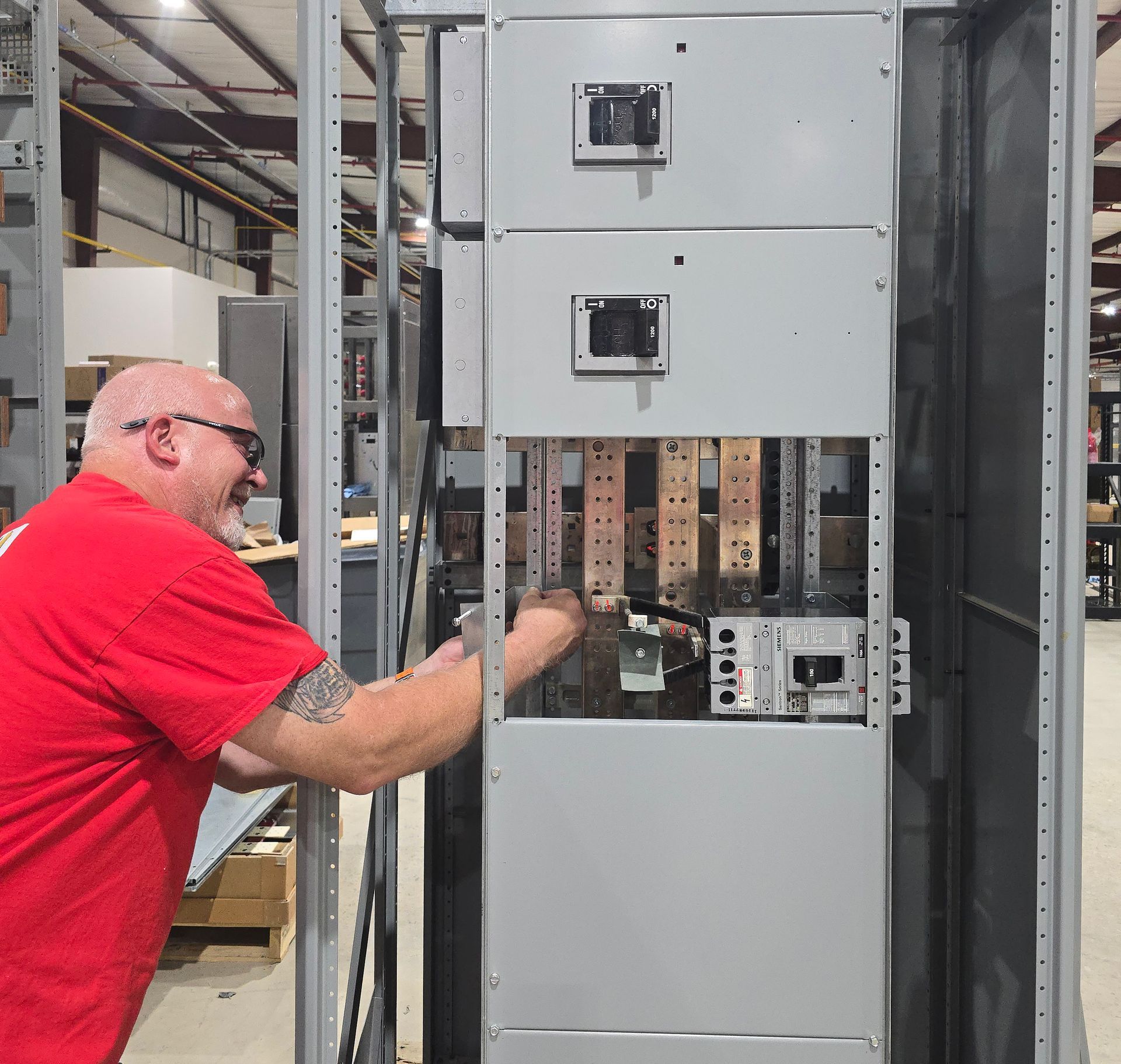
During installation, technicians verify:
- Equipment matches engineering drawings
- Manufacturer specifications are met
- Proper torque values are applied
- Cable terminations are correct
- Grounding systems are complete
- Equipment labels are accurate
- Mechanical assemblies operate correctly
These inspections identify installation issues while corrections are still relatively simple.
Once mechanical inspections are complete, electrical testing begins.
Acceptance Testing Confirms Equipment Is Ready
Acceptance testing serves as the final quality checkpoint before a system is energized.
Industry standards developed by the InterNational Electrical Testing Association (NETA) outline acceptance testing procedures that verify electrical equipment operates within manufacturer tolerances. These standards help establish baseline performance while reducing the likelihood of startup failures.
Depending on the project, acceptance testing may include:
Insulation Resistance Testing
Insulation testing identifies damage or contamination that could eventually lead to equipment failure.
By measuring insulation integrity before startup, technicians can identify hidden problems that would otherwise remain unnoticed until equipment is energized.
Circuit Breaker Testing
Circuit breakers are critical protective devices.
Testing verifies:
- Opening and closing times
- Trip functions
- Contact resistance
- Mechanical operation
- Protective settings
A breaker that fails to operate correctly during a fault can allow catastrophic equipment damage.
Transformer Testing
Transformers undergo multiple tests before energization, including:
- Turns ratio testing
- Winding resistance
- Insulation resistance
- Power factor testing
- Oil analysis for liquid-filled units
These tests verify the transformer was shipped, installed, and connected correctly.
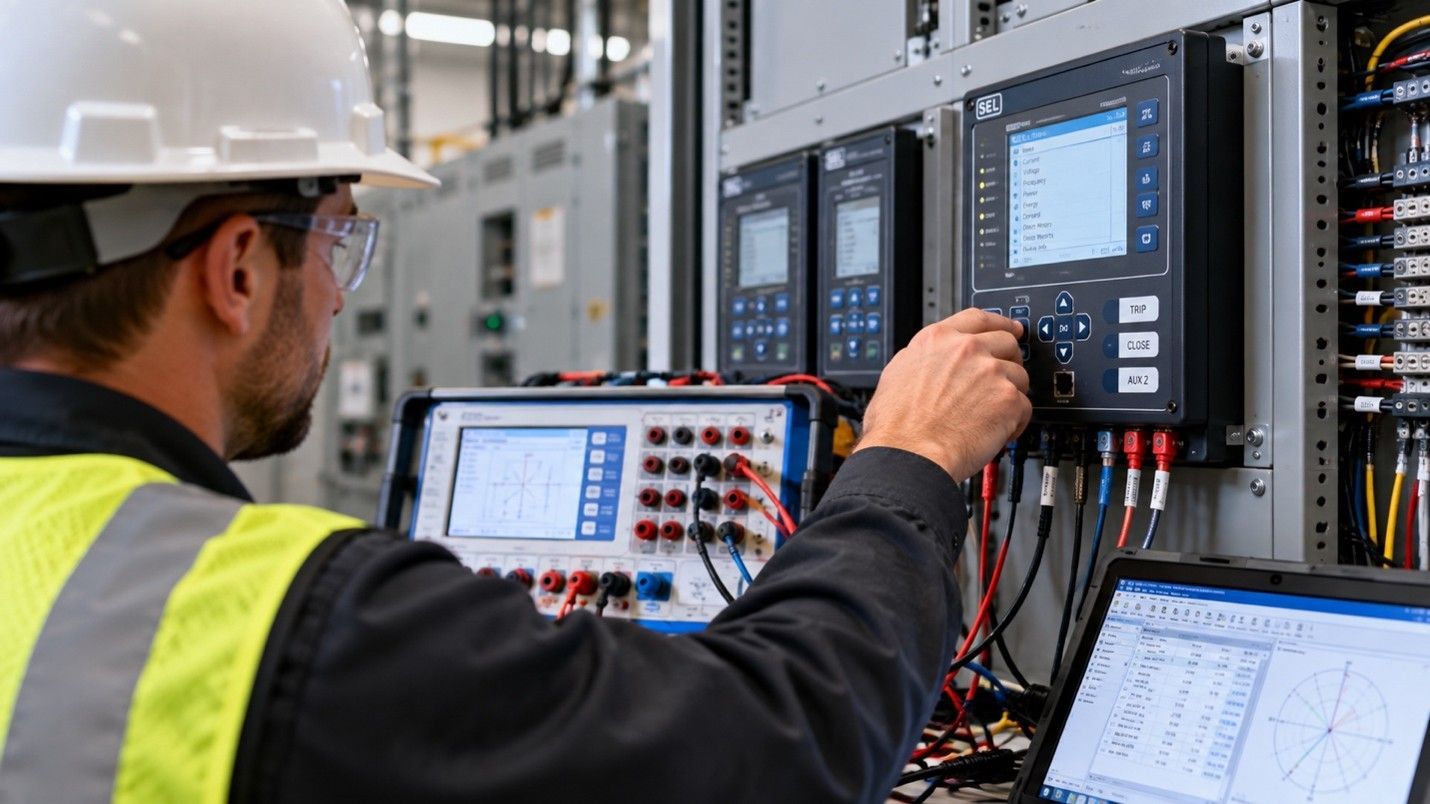
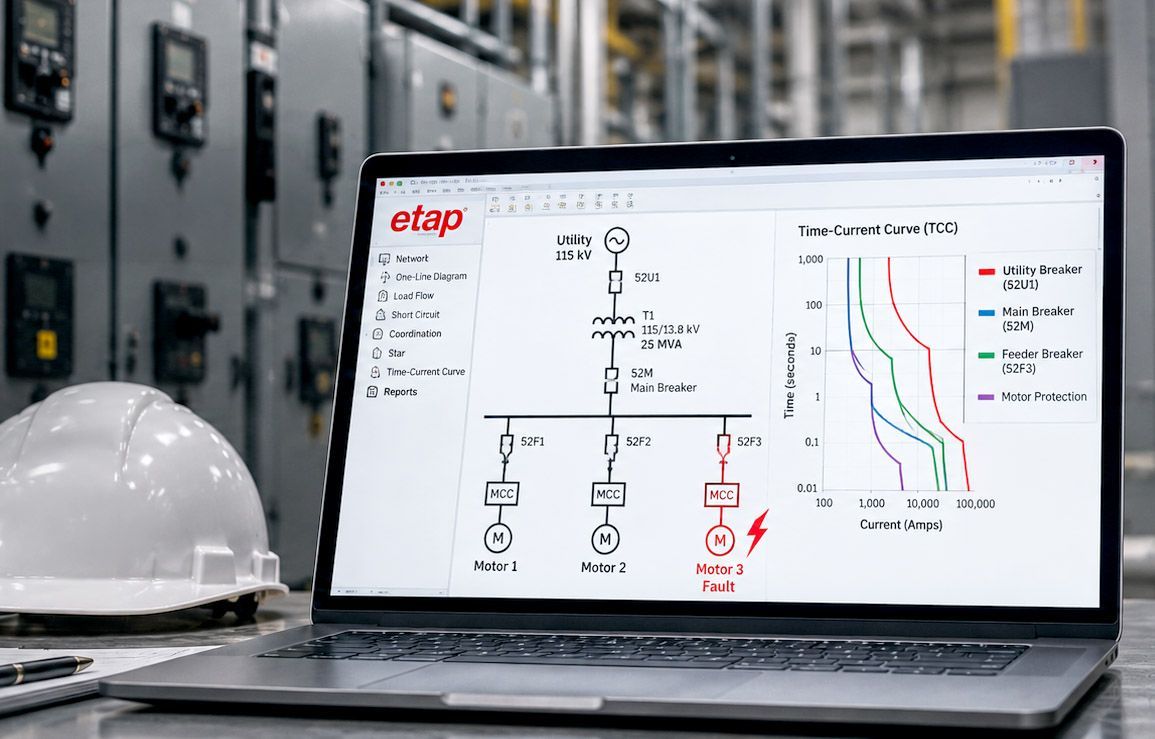
Protective Relay Testing
Modern industrial facilities depend heavily on protective relays.
Each relay must be programmed and tested to ensure it trips only when necessary.
Incorrect relay settings may cause:
- Unnecessary shutdowns
- Equipment damage
- Arc flash hazards
- Coordination failures
Testing confirms protection settings match the engineered design.
Cable Testing
Power cables are often tested before energization to verify insulation quality and detect installation damage.
Cable testing may include:
- Continuity testing
- Insulation resistance
- High potential (HiPot) testing
- Very low frequency (VLF) testing for medium voltage systems
Finding a damaged cable before startup prevents unexpected failures later.
Commissioning Verifies the Entire System
While acceptance testing focuses on individual equipment, commissioning verifies that every component works together as a complete electrical system.
According to the ANSI/NETA Electrical Commissioning Specifications, commissioning includes inspections, testing, measurements, and performance verification.
Commissioning evaluates:
- Control systems
- Equipment sequencing
- Automatic transfer operations
- Generator integration
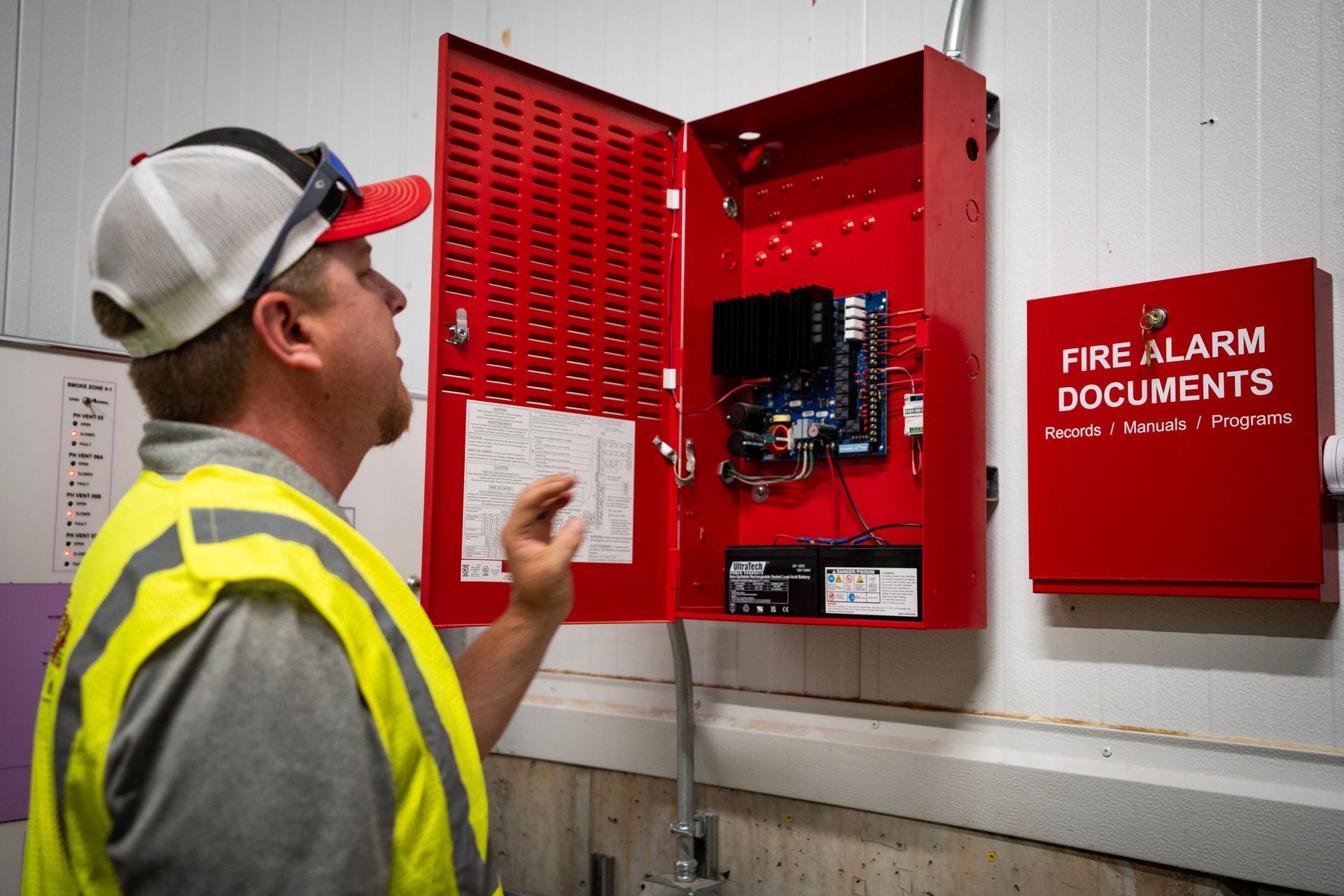
- Alarm functions
- Interlocks
- Emergency shutdown systems
- Communication between devices
Instead of asking whether one breaker works correctly, commissioning asks whether the entire electrical system functions exactly as intended.
Functional Testing Simulates Real World Operation
A major advantage of commissioning is functional testing.
Rather than simply checking individual devices, technicians simulate actual operating conditions.
Examples include:
- Loss of utility power
- Generator startup
- Automatic transfer switch operation
- Emergency shutdown sequences
- Fault conditions
- Alarm notifications
- Remote monitoring functions
These controlled tests verify the electrical system responds properly before a real emergency occurs.
This reduces surprises during actual operation.
Documentation Creates a Reliable Baseline
One of the most valuable outcomes of testing is documentation.
Comprehensive testing reports establish baseline values for:
- Insulation resistance
- Contact resistance
- Relay settings
- Breaker timing
- Transformer measurements
- Ground resistance
- Equipment calibration
Years later, maintenance teams can compare new readings against these original values.
Trending data over time helps identify equipment deterioration before failures occur.
Instead of reacting to unexpected outages, facilities can schedule repairs proactively.
Coordination Minimizes Downtime
Testing alone does not create a seamless transition.
Careful project coordination is equally important.
Industrial electrical upgrades often require coordination among:
- Plant management
- Maintenance personnel
- Engineers
- Equipment manufacturers
- Utility providers
- Electrical contractors
- Testing specialists
Every activity must occur in the proper sequence.
For example:
- Existing equipment is safely de-energized.
- New equipment is installed.
- Mechanical inspections are completed.
- Electrical testing verifies each component.
- Commissioning confirms system performance.
- Documentation is finalized.
- Equipment is energized.
Following this structured approach minimizes delays while reducing startup risk.
Identifying Problems Before Startup Saves Money
The best time to discover an electrical problem is before energization.
Finding a loose termination during testing may require only a few minutes to correct.
Finding the same problem after production begins could result in:
- Unplanned downtime
- Equipment damage
- Lost production
- Emergency repairs
- Safety incidents
Early detection protects both project schedules and operating budgets.
Supporting Long Term Reliability
A successful transition does not end when the electrical system is energized.
Proper testing establishes the foundation for future maintenance programs.
With documented baseline values, maintenance teams can:
- Monitor equipment health
- Detect developing problems
- Plan preventative maintenance
- Reduce unexpected failures
- Extend equipment life
This proactive approach improves overall system reliability while reducing total lifecycle costs.
Partner with Recore Electric for Confident Electrical Upgrades
Transitioning to a new electrical system requires more than installation expertise. It requires careful planning, detailed testing, and comprehensive verification to ensure every component performs safely and reliably before your facility returns to normal operations.
At Recore Electric, our experienced team combines electrical installation, NETA-certified testing expertise, and commissioning support to help industrial facilities complete upgrades with confidence. From acceptance testing and protective relay verification to full system commissioning, we help minimize downtime while ensuring your new electrical infrastructure is ready to perform from the moment it is energized.
Whether you are replacing aging equipment, expanding capacity, or modernizing your facility, Recore Electric can help make your transition as seamless as possible through proven testing, verification, and commissioning practices.