
Custom Automation Solutions for Raw Materials: Improving Efficiency
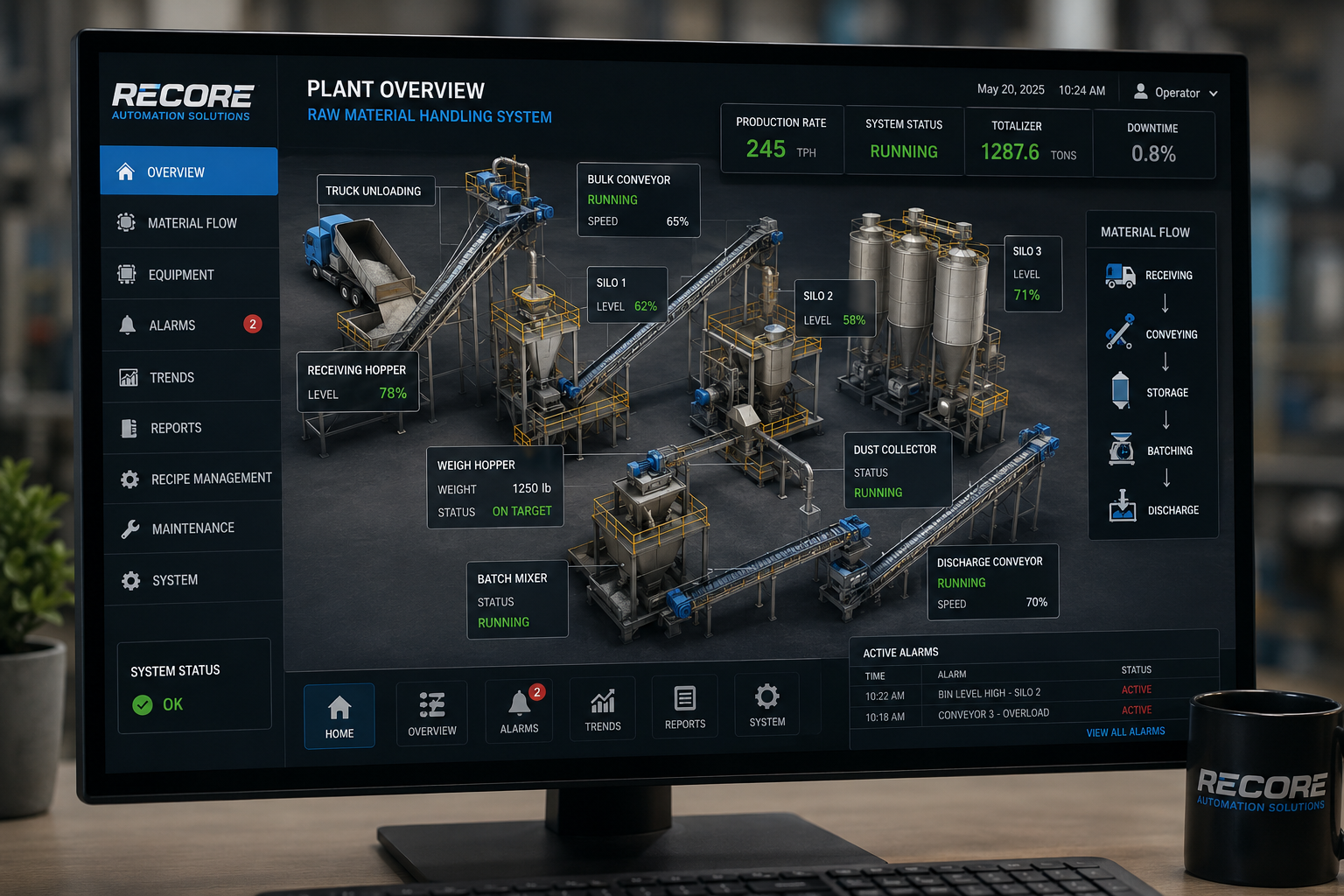
Raw material handling is one of the most important parts of any manufacturing operation. Whether a facility processes aggregates, metals, chemicals, plastics, food products, or industrial components, moving raw materials efficiently has a direct impact on production output, operating costs, and product quality.
As manufacturers continue to face labor shortages, rising production demands, and increasing quality expectations, many are investing in custom automation solutions for raw materials to streamline operations. Rather than relying on one size fits all equipment, custom engineered automation systems are designed around each facility's workflow, production goals, and material characteristics.
At Recore, automation goes beyond simply installing equipment. From service support to full process system design and integration, Recore provides expert driven, innovative solutions designed to optimize operations, improve efficiency, and ensure seamless system performance.
What Are Custom Automation Solutions for Raw Materials?
Custom automation solutions for raw materials are engineered systems that automate the movement, storage, measurement, processing, and control of materials throughout a manufacturing facility.
Unlike standardized equipment packages, custom systems are designed specifically for the customer's production process. This allows manufacturers to maximize efficiency while minimizing waste, downtime, and manual labor.
Examples include:
- Automated conveyor systems
- Bulk material handling systems
- Robotic loading and unloading
- Automated batching and weighing
- Hopper and silo controls
- Material transfer systems
- PLC based process automation
- Sensor driven quality monitoring
- SCADA visualization systems
- Integrated safety controls
Every manufacturing environment presents unique challenges. Materials behave differently, production rates vary, and facilities often have limited space. A customized approach ensures automation fits the operation instead of forcing operations to adapt to generic equipment.
Why Manufacturers Are Investing in Automation
Modern manufacturing requires greater consistency than ever before. Customers expect tighter tolerances, faster delivery times, and higher quality standards while businesses continue searching for ways to reduce operating costs.
Custom automation solutions for raw materials help manufacturers address these challenges by creating repeatable, controlled processes.
Benefits often include:
- Higher production throughput
- Improved product consistency
- Reduced material waste
- Lower labor requirements
- Better equipment utilization
- Enhanced workplace safety
- Greater production visibility
- Easier scalability for future growth
Automation also allows employees to focus on higher value tasks rather than repetitive manual handling activities.
Solving Raw Material Handling Challenges
Raw materials rarely arrive in ideal conditions.
Facilities may process materials that vary in:
- Size
- Density
- Moisture content
- Weight
- Flow characteristics
- Temperature
- Packaging
These differences create challenges that off the shelf equipment may not adequately address.
Custom automation solutions account for these variables during system design. Engineers evaluate the complete production process before selecting equipment, programming controls, and integrating systems.
The result is a solution specifically engineered around how the material behaves instead of forcing the material into a standard process.
Full Process System Design and Integration
One of the biggest advantages of working with an experienced automation partner is the ability to view the production process as a complete system instead of individual pieces of equipment.
At Recore, projects can include everything from service support to full process system design and integration.
Rather than focusing on one machine, engineers evaluate the entire production workflow, including:
- Material receiving
- Storage
- Conveyance
- Processing
- Quality control
- Packaging
- Finished product transfer
Each system communicates together through integrated controls, allowing operators to monitor production from one centralized interface.
This level of integration improves visibility while reducing communication errors between equipment.
Intelligent Control Systems Improve Operations
Automation is much more than motors and conveyors.
Modern manufacturing systems rely heavily on intelligent controls that continuously monitor equipment performance and production conditions.
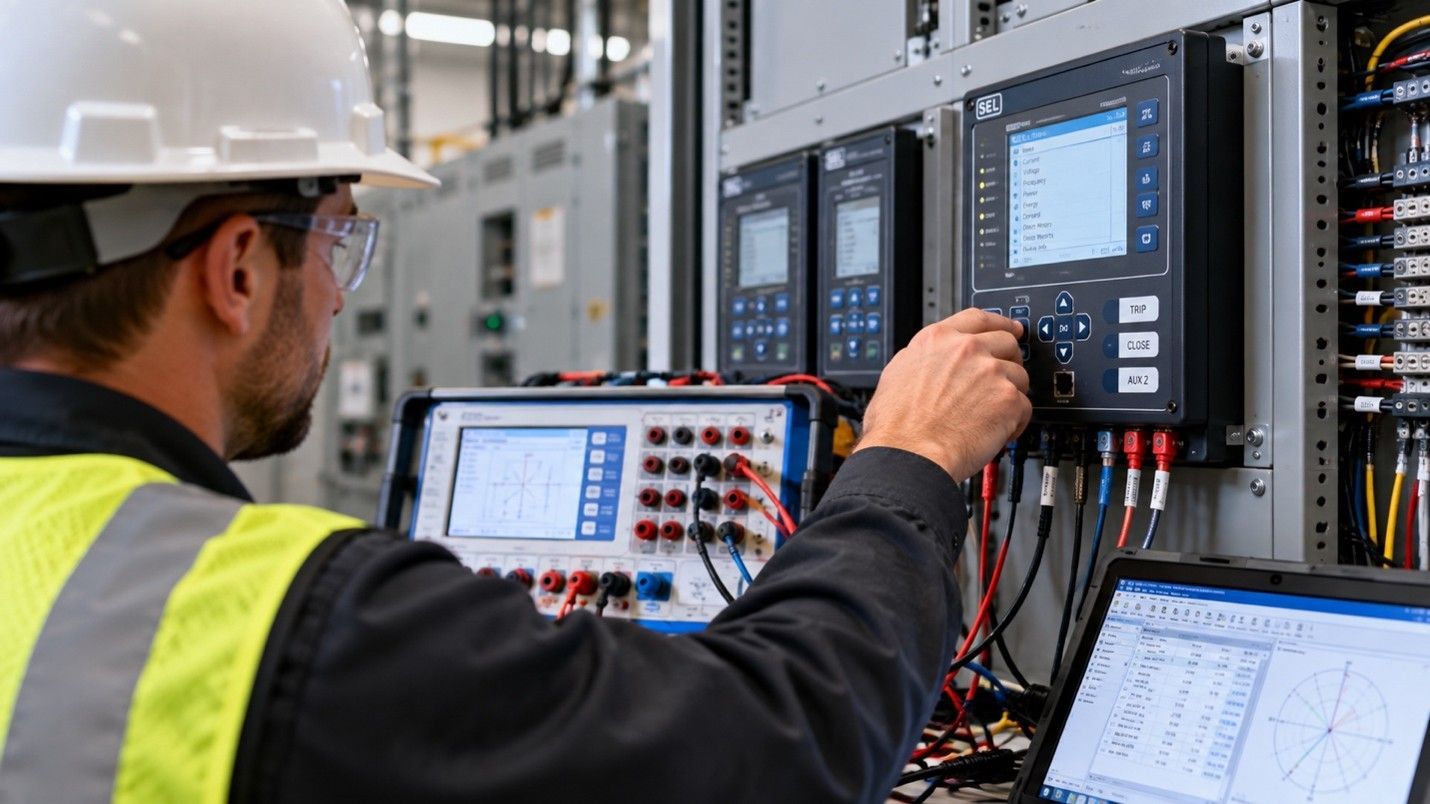
Programmable Logic Controllers, commonly known as PLCs, provide real time control over the production process.
These systems can:
- Monitor production rates
- Adjust conveyor speeds
- Control feeders
- Manage batch recipes
- Detect equipment faults
- Alert operators
- Record production data
- Support preventive maintenance
Supervisory Control and Data Acquisition (SCADA) systems further enhance operations by providing visual dashboards, historical reporting, and remote monitoring capabilities.
Together, these technologies help manufacturers make faster operational decisions while improving overall equipment effectiveness.
Improving Safety Through Automation
Material handling often involves heavy equipment, repetitive lifting, moving machinery, and potentially hazardous operating conditions.
Automation reduces employee exposure to many of these risks by limiting manual interaction with production equipment.
According to the Occupational Safety and Health Administration (OSHA), machine guarding and proper safeguarding methods are essential for protecting workers from hazards associated with industrial machinery. Automated systems should incorporate appropriate guarding, emergency stops, interlocks, and safety controls as part of the overall system design.
Custom automation projects frequently include:
- Safety interlocks
- Light curtains
- Emergency stop systems
- Lockout support
- Machine guarding
- Safety rated controls
These features help create safer production environments while maintaining productivity.
Better Data Leads to Better Decisions
Today's manufacturers rely on production data to continuously improve operations.
Integrated automation systems collect valuable information throughout the production process, including:
- Production output
- Downtime events
- Equipment performance
- Material consumption
- Alarm history
- Batch records
- Maintenance data
This information allows managers to identify bottlenecks, improve scheduling, reduce waste, and make informed investment decisions.
Rather than reacting to problems after they occur, manufacturers can proactively optimize operations using real time information.
Automation That Grows with Your Business
Manufacturing facilities rarely stay the same.
Production volumes increase. Product lines expand. Equipment ages. Customer requirements change.
One advantage of custom automation solutions for raw materials is scalability.
Well designed systems can be expanded as business needs evolve.
Future upgrades may include:
- Additional conveyors
- New robotic cells
- Expanded batching systems
- Additional production lines
- Enhanced reporting
- Integration with ERP software
- Advanced analytics
Planning for future growth during the initial design phase often reduces future upgrade costs.
Why Experience Matters
Automation projects involve far more than electrical installation.
Successful implementations require expertise in:
- Electrical engineering
- Industrial controls
- PLC programming
- System integration
- Process optimization
- Equipment commissioning
- Field service
- Ongoing maintenance
Selecting an experienced automation partner helps ensure every component works together efficiently.
Recore brings an integrated approach that supports customers from initial planning through startup and long term service. By combining engineering expertise with system integration capabilities, manufacturers receive solutions designed around their specific operational goals instead of generic equipment packages.
Choosing the Right Automation Partner
Every manufacturing facility has unique production requirements, making collaboration essential during automation projects.
Before selecting an automation provider, manufacturers should evaluate:
- Industry experience
- Engineering capabilities
- Integration expertise
- Service support availability
- PLC and controls experience
- Safety knowledge
- Long term maintenance capabilities
- Ability to customize solutions
A partner that understands both electrical systems and industrial processes can deliver greater long term value than simply supplying equipment.
Partner With Recore for Custom Automation Solutions for Raw Materials
As manufacturing continues to evolve, automation is becoming a strategic investment rather than simply a productivity upgrade. Companies that implement custom automation solutions for raw materials can improve efficiency, strengthen safety, reduce operating costs, and position themselves for long term growth.
From service support to full process system design and integration, Recore provides expert driven, innovative solutions designed to optimize operations, improve efficiency, and ensure seamless system performance. Whether your facility requires a new material handling system, advanced process controls, or complete automation integration, Recore works closely with your team to develop solutions tailored to your operation.
When your automation system is designed specifically for your production process, your facility is better equipped to improve productivity today while preparing for tomorrow's manufacturing challenges.