
Switchboard Installation and Fault Isolation: Protecting Facility Power Distribution
A single electrical fault doesn't have to shut down an entire facility. That's one of the most important jobs a switchboard performs, and it's a role that often goes unnoticed until something goes wrong. For commercial and industrial facilities across the Charlotte Metro Area, the switchboard is the quiet workhorse standing between a minor electrical event and a costly, plant-wide shutdown.
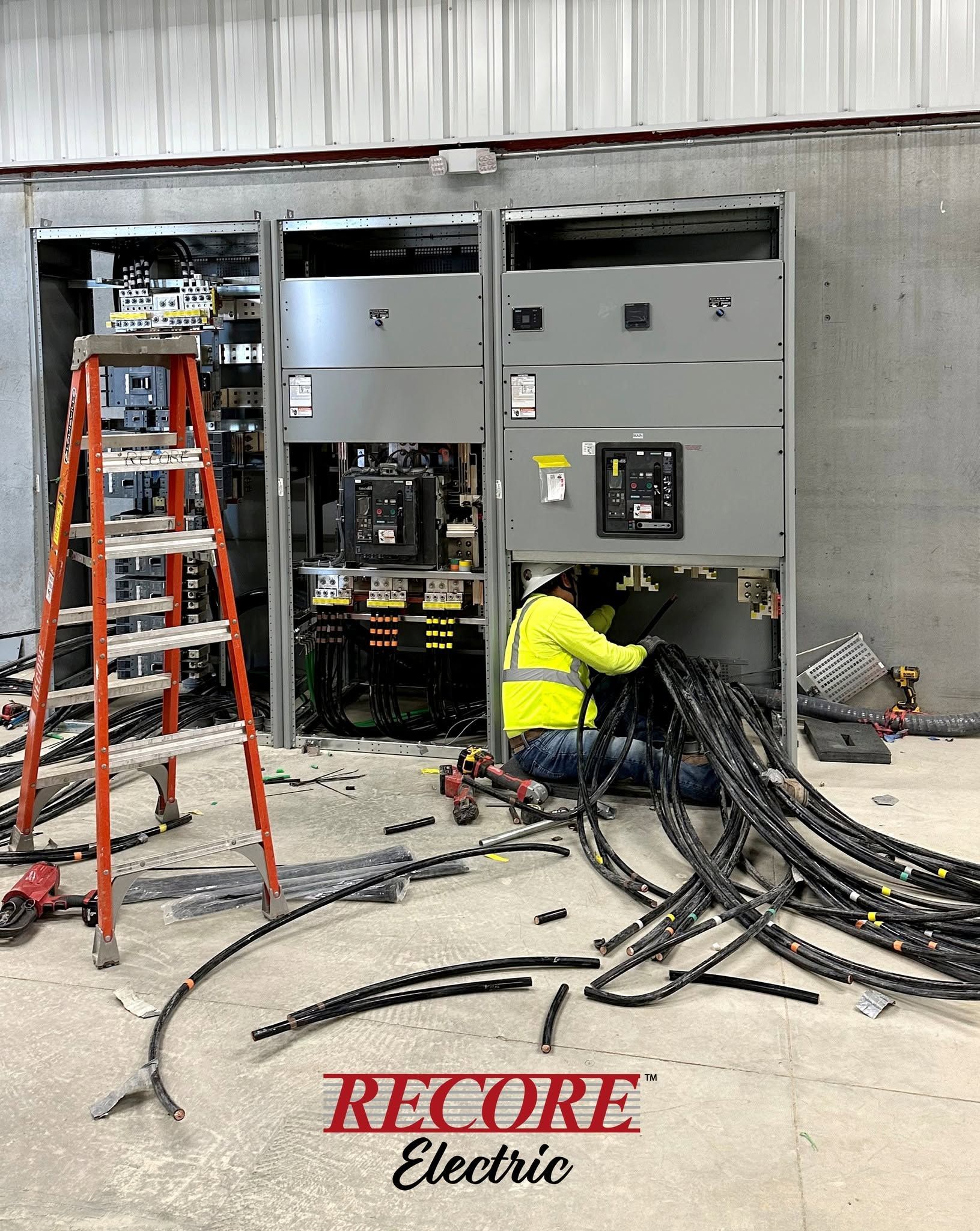
At Recore Electrical Contractors, our teams regularly install, terminate, and maintain switchboards for facilities where uptime is not optional. Understanding what a switchboard does, and why proper installation and coordination matter, helps property owners and facility managers make informed decisions about their electrical infrastructure.
The Role of Switchboards in Power Distribution
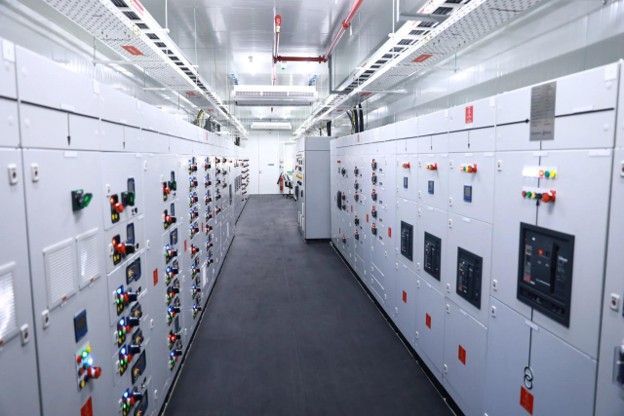
A switchboard sits near the top of a facility's electrical distribution system, typically just downstream of the utility service or a main transformer. From there, it distributes power to panelboards, motor control centers, and other equipment throughout the building. Because so much current flows through this single point, switchboards are engineered with heavy-duty bus bars, circuit breakers, and protective devices built to handle demanding industrial and commercial loads.
Beyond simply distributing power, a well-designed switchboard is a critical safety and reliability component. It houses the overcurrent protection devices that detect abnormal conditions, such as short circuits or ground faults, and interrupt them before they can cascade into larger problems. This is what allows a facility to isolate a single circuit issue instead of losing power across an entire production line or building.
Fault Isolation and Selective Coordination
The concept that makes this possible is called selective coordination. In a properly coordinated system, the circuit breaker closest to a fault trips first, clearing the problem while breakers further upstream remain closed and power continues flowing to unaffected areas. Without this coordination, a fault in one part of a facility can trip an upstream breaker instead, taking down far more equipment than necessary.
Selective coordination requires careful engineering. Contractors must study breaker trip curves, time delays, and current ratings across the entire distribution system to confirm that faults are cleared at the lowest possible level. For industrial and commercial facilities running continuous processes, food production lines, or mission-critical operations, this coordination directly affects how much downtime a single fault can cause.
Key Considerations During Switchboard Installation
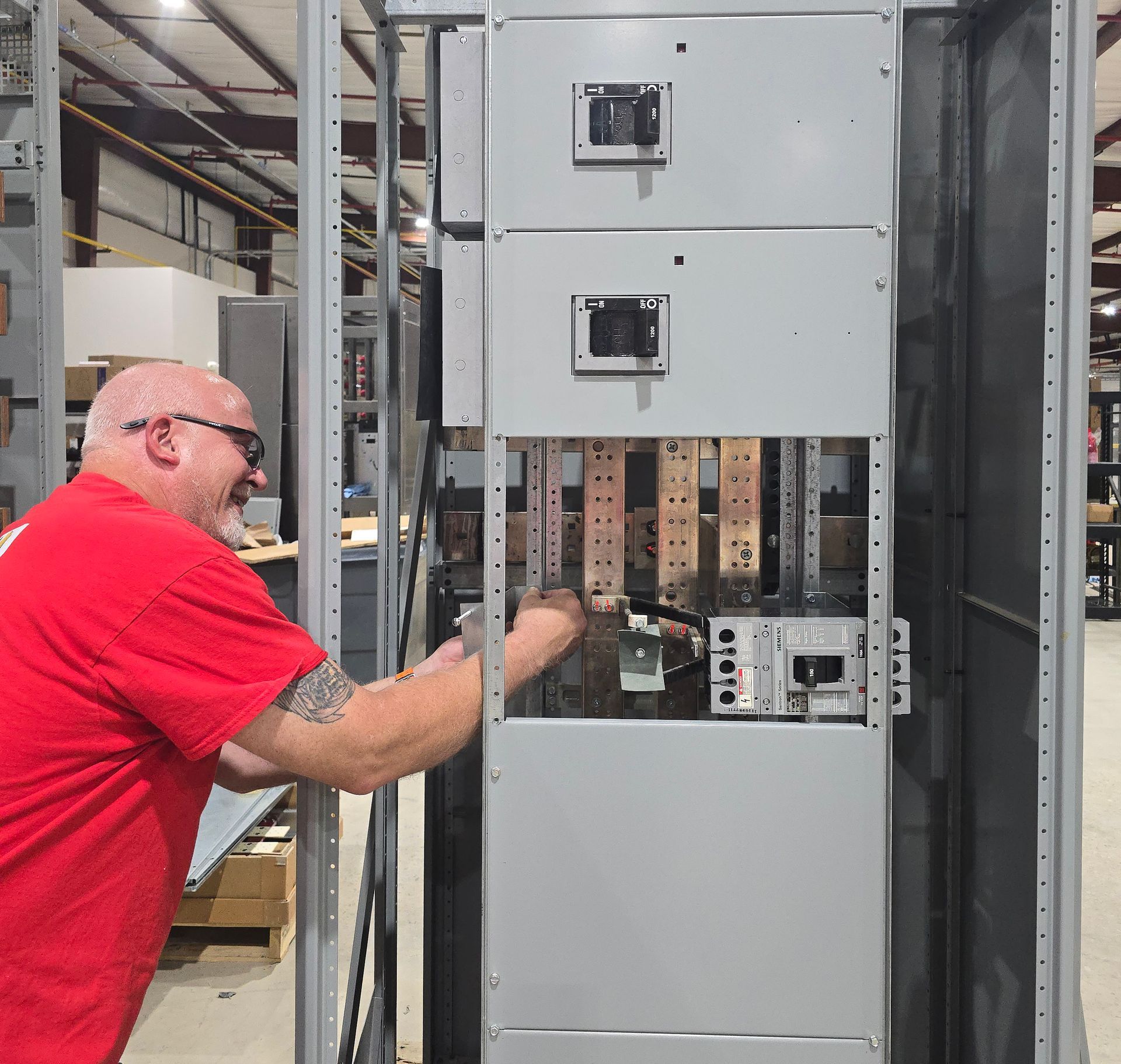
Installing a switchboard involves more than setting the enclosure in place. Conductors must be properly sized, routed, and terminated to handle the full load of the facility, and every connection has to meet torque specifications to prevent loose terminations that generate heat over time. Proper cable management, clearly labeled circuits, and accessible working space around the equipment also matter for both safety and future maintenance.
Facility owners should also consider load growth. A switchboard sized only for current needs can become a limiting factor if a facility adds equipment, expands production, or increases its electrical demand. Planning for reasonable future capacity during design and installation can prevent a costly replacement down the road.
Experienced electrical contractors know that the quality of termination work inside a switchboard is just as important as the equipment itself. Improperly torqued connections, inadequate conductor bending space, or poor cable organization can create long-term reliability issues that aren't visible until a failure occurs. Careful, methodical installation work during construction pays off for years of facility operation.
Warning Signs to Watch For
Facility managers should treat certain signs as a reason to schedule an inspection. Warm equipment enclosures, discoloration or a burning smell near a switchboard, flickering lights tied to a specific circuit, or breakers that trip repeatedly can all indicate a developing problem. Because switchboards operate at high current levels, these warning signs should never be ignored or addressed without a qualified electrical contractor.
When to Call a Professional
Switchboards should only be installed, modified, or serviced by licensed electrical contractors with experience in industrial and commercial power distribution. Whether a facility needs a new installation, a capacity upgrade, or ongoing maintenance and testing, working with a qualified team helps confirm the system is coded correctly, coordinated properly, and ready to protect the facility for years to come. If your facility is planning new construction, an expansion, or simply hasn't had its distribution equipment reviewed recently, it may be time to schedule an evaluation.
Frequently Asked Questions
What does a switchboard actually do in a building?
A switchboard receives incoming power, usually from a utility service or transformer, and distributes it to panelboards and equipment throughout a facility. It houses the main protective devices that detect faults and interrupt power to the affected circuit, helping prevent a single problem from shutting down the entire building. Because of this, switchboards are considered one of the most important safety components in a commercial or industrial electrical system.
What is selective coordination, and why does it matter?
Selective coordination means breakers are set up so the one closest to a fault trips first, while breakers upstream stay closed. This limits an outage to only the affected circuit instead of a larger section of the building. For facilities running continuous operations, proper coordination can mean the difference between a brief, localized interruption and a costly, plant-wide shutdown.
What are warning signs that a switchboard needs attention?
Warm enclosures, discoloration, unusual smells, or breakers that trip repeatedly are all signs that should prompt an inspection. These symptoms often point to loose connections, overloaded circuits, or aging components that generate excess heat. Because switchboards carry high current, these issues should be evaluated promptly by a licensed electrical contractor rather than left unaddressed.
How often should a switchboard be inspected or maintained?
Most industrial and commercial facilities benefit from periodic thermal scans, torque checks, and visual inspections as part of a broader electrical preventive maintenance program. The right interval depends on the facility's load, run hours, and environment, but regular inspection helps catch loose terminations or developing hot spots before they cause a failure. A qualified contractor can help establish an inspection schedule suited to your facility.
When should a facility consider upgrading its switchboard?
A facility should consider an upgrade when adding significant new equipment, expanding production, or when an existing switchboard is aging, undersized, or no longer properly coordinated with the rest of the system. Planning ahead for load growth during design can help avoid a disruptive replacement later. If your facility is growing or hasn't reviewed its distribution equipment in some time, reach out to a licensed electrical contractor to evaluate your options.