
Fire Alarm Test and Inspections: Keeping Your Facility Protected and Compliant
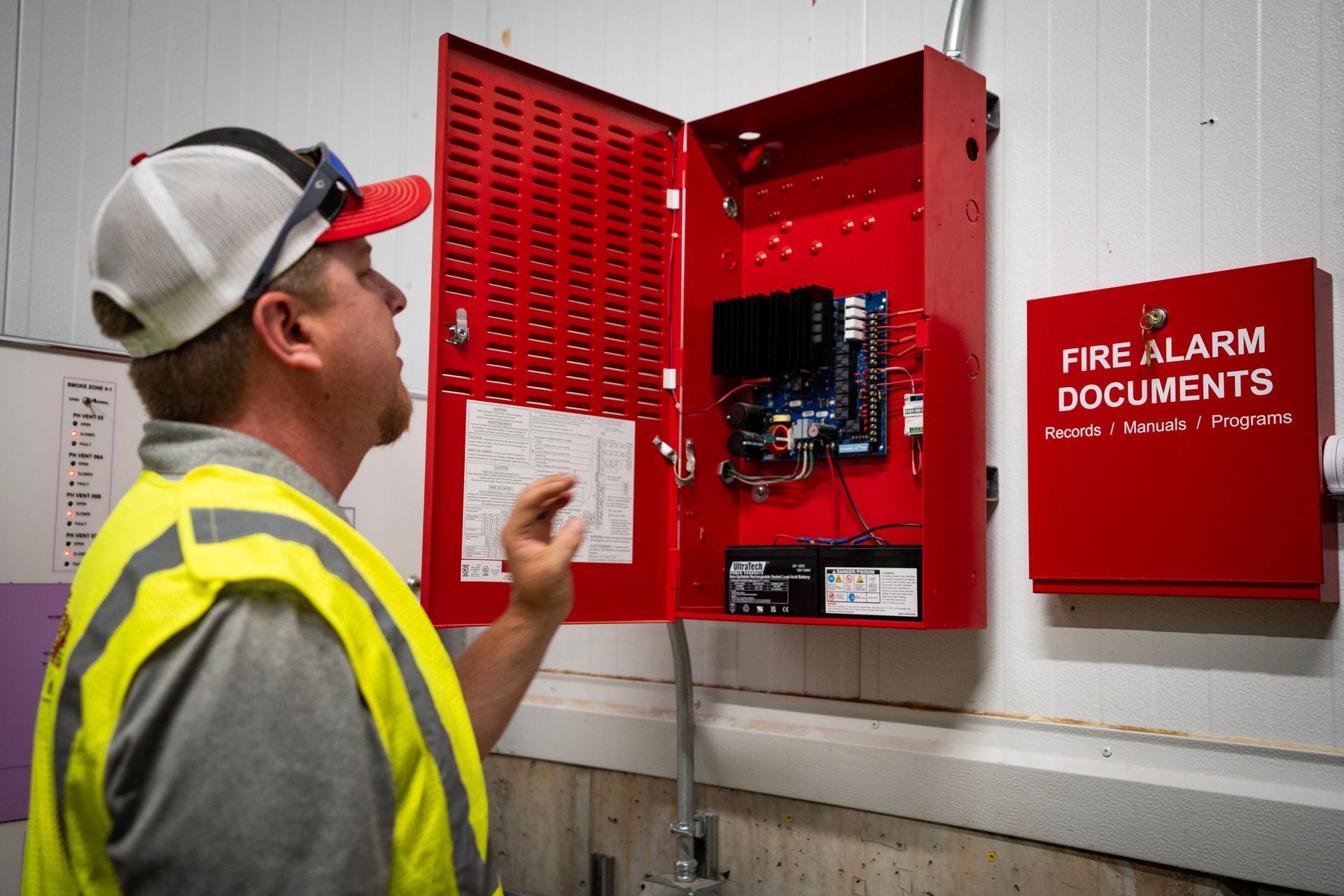
A fire alarm system is one of the most important life safety systems in any commercial or industrial facility. However, installing the right system is only the beginning. Fire alarm equipment must continue to operate properly over the life of the facility, which requires routine inspection, functional testing, and maintenance.
Fire alarm test and inspections help facility owners identify problems before an emergency occurs while supporting compliance with applicable fire codes, local requirements, and manufacturer specifications.
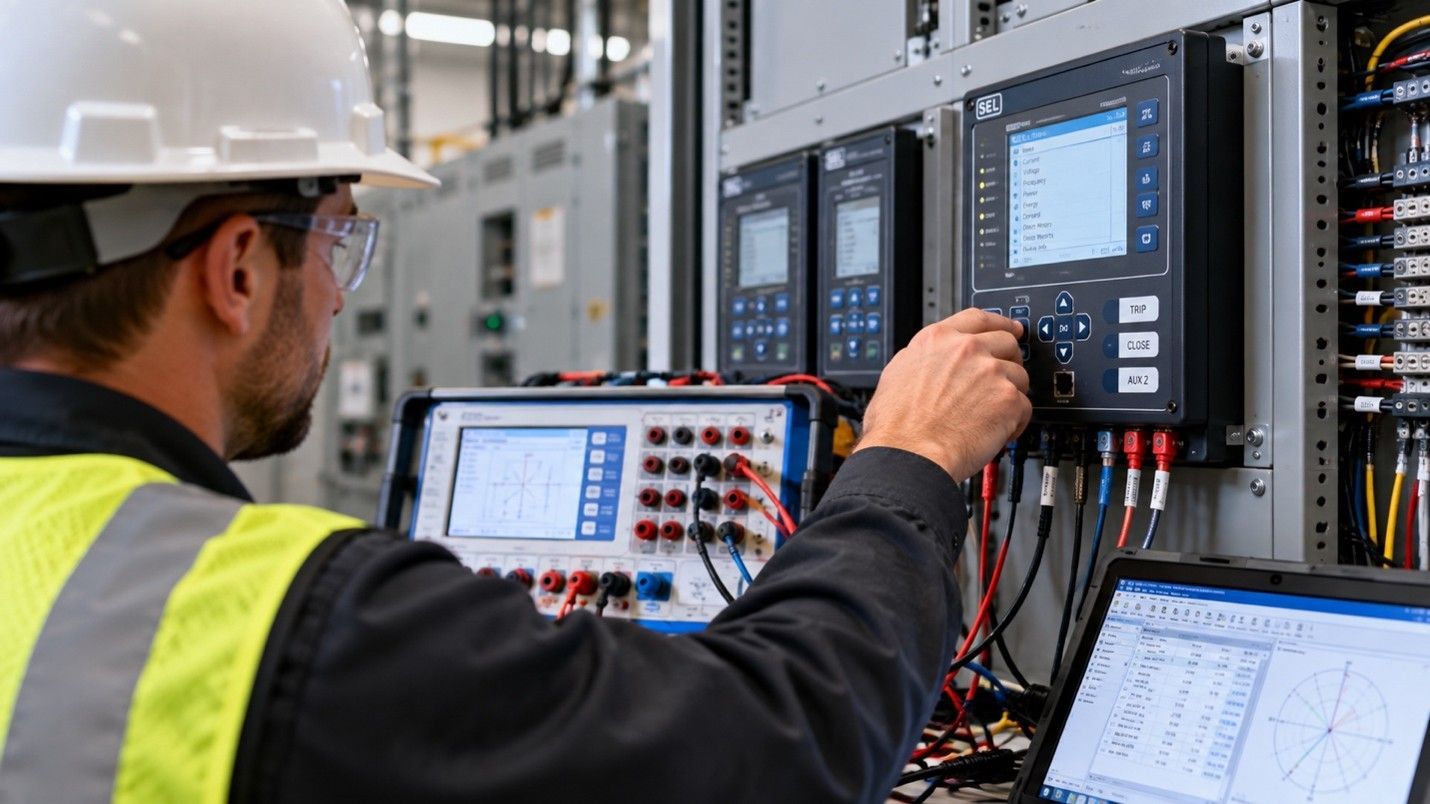
At Recore Electric, our fire alarm test and inspections service includes periodic inspection and functional testing of fire alarm systems in accordance with NFPA 72: National Fire Alarm and Signaling Code, applicable requirements from the local Authority Having Jurisdiction (AHJ), and manufacturer specifications.
For industrial and commercial facilities, having a dependable inspection and testing program can be an important part of maintaining a safe, reliable operation.
What Are Fire Alarm Test and Inspections?
Fire alarm test and inspections are scheduled evaluations designed to verify that the components of a fire alarm system remain in appropriate operating condition.
An inspection generally focuses on the physical condition, location, accessibility, and installation of system components. Functional testing goes further by operating components or initiating signals to verify that the system responds as intended.
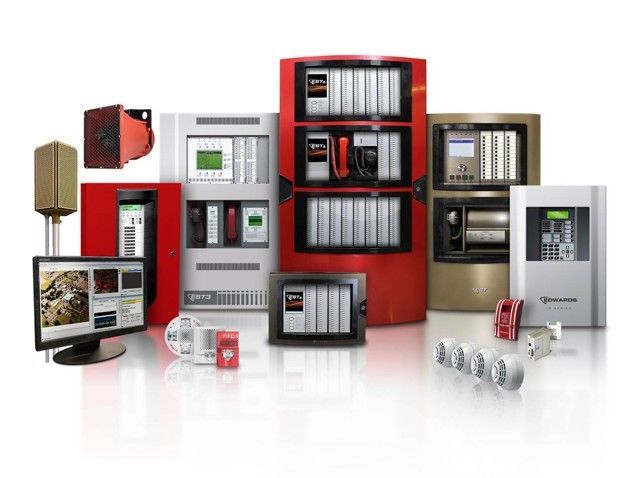
These services may involve components such as:
- Fire alarm control panels
- Smoke detectors
- Heat detectors
- Manual pull stations
- Horns, strobes, and other notification appliances
- Power supplies and backup batteries
- Supervisory devices
- Alarm communication equipment
- System interfaces and connected equipment
The exact inspection and testing requirements depend on the facility, equipment, applicable codes, manufacturer instructions, and requirements established by the local AHJ.
Why Are Regular Fire Alarm Inspections Important?
A fire alarm system may remain untouched for long periods of time, but that does not mean its condition remains unchanged.
Equipment can age. Batteries can deteriorate. Dust and debris can affect detectors. Renovations can change the layout of a facility. Devices can become obstructed. Electrical components can fail.
The U.S. Fire Administration's fire inspection training materials note that building modifications, occupancy changes, environmental conditions, physical obstructions, damage, and other changes can affect how a fire alarm system performs. The agency's materials also reference NFPA 72 requirements for periodic visual inspections and testing of system components.
Routine fire alarm test and inspections provide an opportunity to identify these conditions before the system is needed during an emergency.
Fire Alarm Testing and NFPA 72
NFPA 72: National Fire Alarm and Signaling Code is one of the primary standards governing fire alarm and signaling systems in the United States.
The current NFPA 72 structure includes an entire chapter dedicated to inspection, testing, and maintenance. The code addresses requirements covering fire alarm equipment, initiating devices, notification systems, circuits and pathways, documentation, supervising station systems, and other components of modern fire alarm and signaling systems.
Following NFPA 72 helps establish a consistent approach to maintaining fire alarm systems, but NFPA 72 is not necessarily the only consideration.
Facilities may also be subject to local codes, AHJ requirements, manufacturer instructions, insurance requirements, and other applicable regulations.
That is why fire alarm inspections should be approached according to the requirements of the individual facility rather than treated as a one-size-fits-all service.
The Importance of Functional Fire Alarm Testing
A visual inspection can identify physical problems, but some issues only become apparent when equipment is actually tested.
Functional testing helps verify that components respond properly when activated. Depending on the system, this can involve activating initiating devices, confirming that signals reach the fire alarm control panel, checking notification appliances, and verifying other system functions.
The goal is not simply to confirm that equipment is installed. It is to determine whether the system performs as required.
This distinction is especially important for large industrial and commercial facilities where fire alarm systems may include numerous devices, multiple zones, specialized equipment, and connections to other building systems.
OSHA Requirements for Workplace Alarm Systems
Fire alarm and employee notification systems can also intersect with workplace safety requirements.
The Occupational Safety and Health Administration states that employee alarm systems covered by its regulations must be maintained in operating condition except while undergoing repairs or maintenance. OSHA also requires applicable systems to be tested for reliability and adequacy and specifies that servicing, maintenance, and testing be completed by people trained in the operation and functions necessary for reliable and safe performance.
OSHA separately states that employers must maintain covered fire detection systems in operable condition and have testing, maintenance, cleaning, and necessary sensitivity adjustments performed by trained personnel knowledgeable about the system.
For facility owners and managers, these requirements reinforce the importance of making fire alarm testing part of an ongoing life safety and maintenance strategy.
Local AHJ Requirements Matter
NFPA 72 provides an important framework, but local requirements also play a major role in fire alarm test and inspections.
The Authority Having Jurisdiction is generally the organization, office, or individual responsible for enforcing applicable fire and life safety requirements for a particular facility.
Requirements can vary based on factors such as:
- Facility location
- Building classification
- Occupancy
- System design
- Applicable code editions
- Local amendments
- Type of equipment installed
Working with an experienced contractor helps facility owners navigate these requirements and ensure testing is performed according to the standards applicable to their property.
Manufacturer Specifications Are Part of the Process
Fire alarm equipment is engineered with specific installation, testing, and maintenance requirements.
Those manufacturer specifications are another important consideration during fire alarm test and inspections. Different control panels, detectors, notification appliances, batteries, and communication equipment may have specific procedures that should be followed.
A qualified technician needs to understand not only applicable codes but also the equipment being inspected.
This becomes particularly important in industrial environments where fire alarm systems may interact with complex electrical and control infrastructure.
Fire Alarm Testing for Industrial Facilities
Industrial facilities can present unique challenges for fire alarm systems.
Manufacturing plants, processing facilities, warehouses, utilities, and other industrial environments may contain dust, moisture, vibration, temperature changes, hazardous processes, heavy equipment, and constantly changing operating conditions.
Facilities may also expand or reconfigure production areas over time.
These conditions make routine inspection especially important. A system that met facility requirements when originally installed still needs to remain appropriate as the building and its operations evolve.
Recore understands the demands of complex industrial environments. Our team has experience working with electrical and control systems in challenging facility conditions, allowing us to approach fire alarm testing as part of the facility's broader electrical and life safety infrastructure.
Identify Problems Before They Become Emergencies
The worst time to discover a problem with a fire alarm system is during an actual emergency.
Periodic inspections give facility owners an opportunity to identify deficiencies, damaged equipment, system faults, obstructed devices, aging components, and other potential concerns under controlled conditions.
Testing can also provide valuable documentation for facility managers and maintenance teams.
Instead of waiting for a fault or emergency to reveal a problem, facilities can take a proactive approach to maintaining the system.
Schedule Fire Alarm Test and Inspections with Recore
Fire alarm systems are designed to protect people and facilities when every second matters. Maintaining that protection requires more than installing the equipment and assuming it will continue to operate indefinitely.
Routine fire alarm test and inspections help verify system functionality, identify potential deficiencies, and support compliance with applicable requirements.
Recore Electric provides periodic fire alarm inspection and functional testing in accordance with NFPA 72: National Fire Alarm and Signaling Code, local AHJ requirements, and manufacturer specifications.
Whether you operate a manufacturing plant, industrial facility, warehouse, commercial building, or another complex operation, Recore can help make sure your fire alarm system is properly inspected and tested.