
Fire Alarm Mass Notification System: Emergency Communication
A fire alarm mass notification system is one of the most important investments organizations can make to protect people during emergencies. While traditional fire alarm systems are designed to detect fires and initiate evacuation, today's facilities face a much broader range of potential threats. Severe weather, hazardous material releases, active security incidents, utility failures, and other emergencies all require fast, accurate communication.
A Fire Alarm Mass Notification System (MNS) is an integrated communication solution designed to alert building occupants or even people across an entire campus or municipality about emergencies. By combining fire detection with voice communication, visual messaging, and multiple notification methods, organizations can provide clear instructions that help occupants respond safely.
At Recore, we design and integrate advanced electrical and automation systems that help facilities improve safety, reliability, and operational readiness. Whether supporting industrial plants, manufacturing facilities, commercial buildings, or campus environments, our team delivers customized solutions built around each customer's unique operational requirements.
What Is a Fire Alarm Mass Notification System?
A fire alarm mass notification system combines traditional fire alarm functionality with an emergency communication platform. Rather than simply activating horns and strobes, the system delivers detailed instructions through multiple communication channels.
Unlike conventional fire alarms that primarily indicate occupants should evacuate, mass notification systems can communicate specific instructions depending on the emergency.
For example, the system may instruct occupants to:
- Evacuate immediately
- Shelter in place
- Avoid a particular section of the building
- Relocate to designated assembly areas
- Wait for additional instructions
- Prepare for severe weather
This flexibility significantly improves emergency response because not every incident requires the same action.
Why Traditional Fire Alarms Are No Longer Enough
For decades, fire alarm systems relied primarily on audible alarms and flashing strobes.
While these systems remain essential, many emergencies require more detailed communication. Occupants often need to understand:
- What happened
- Where the emergency is located
- Which exits remain safe
- Whether evacuation or sheltering is appropriate
- How conditions are changing
The National Institute of Standards and Technology (NIST) notes that simple alarm signals alone often do not provide enough information for occupants to respond appropriately. Voice messaging and emergency communication systems improve decision making during emergencies by providing clear, actionable instructions.
Key Components of a Fire Alarm Mass Notification System
Modern fire alarm mass notification systems integrate several technologies into one coordinated platform.
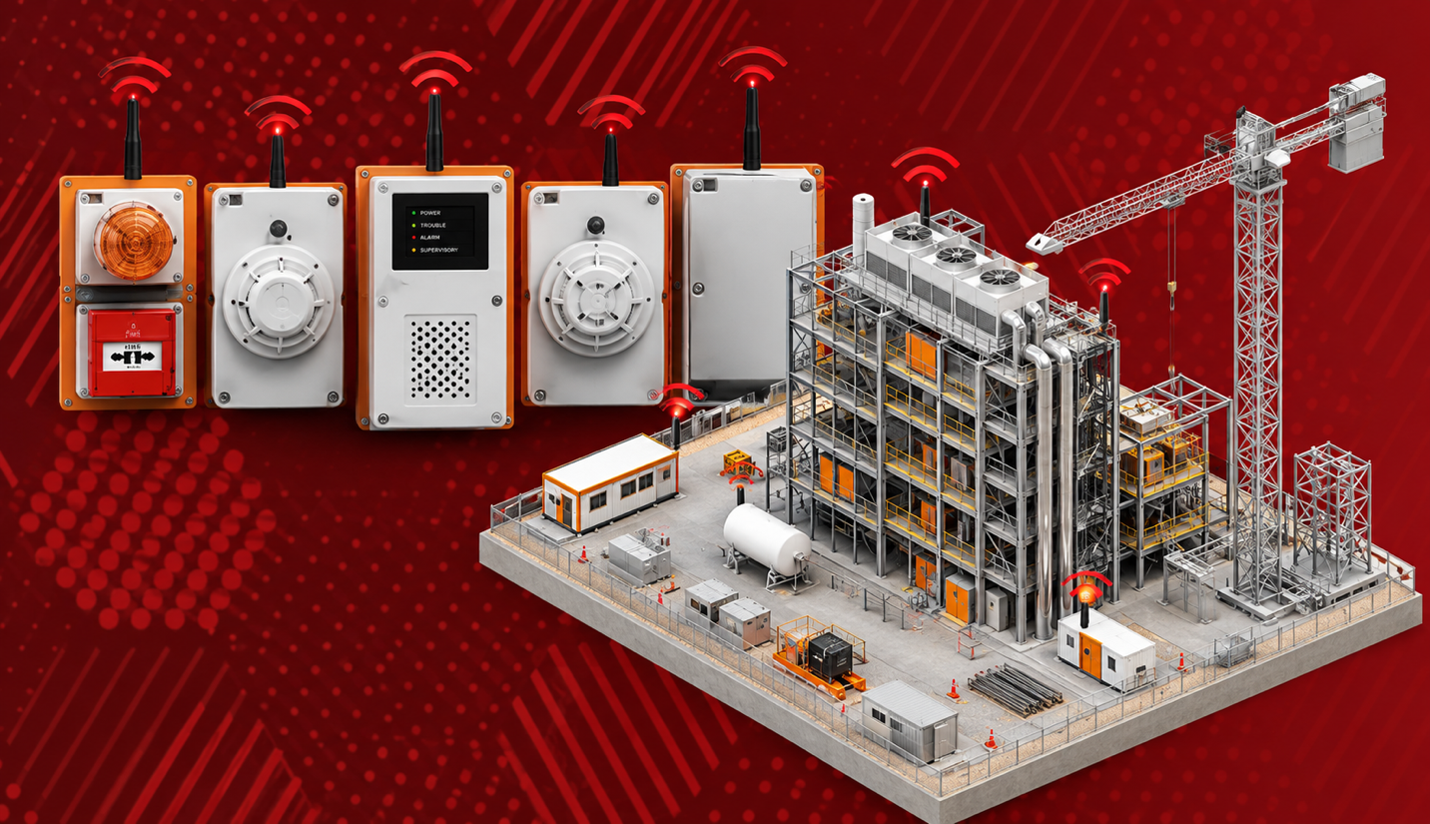
Fire Detection
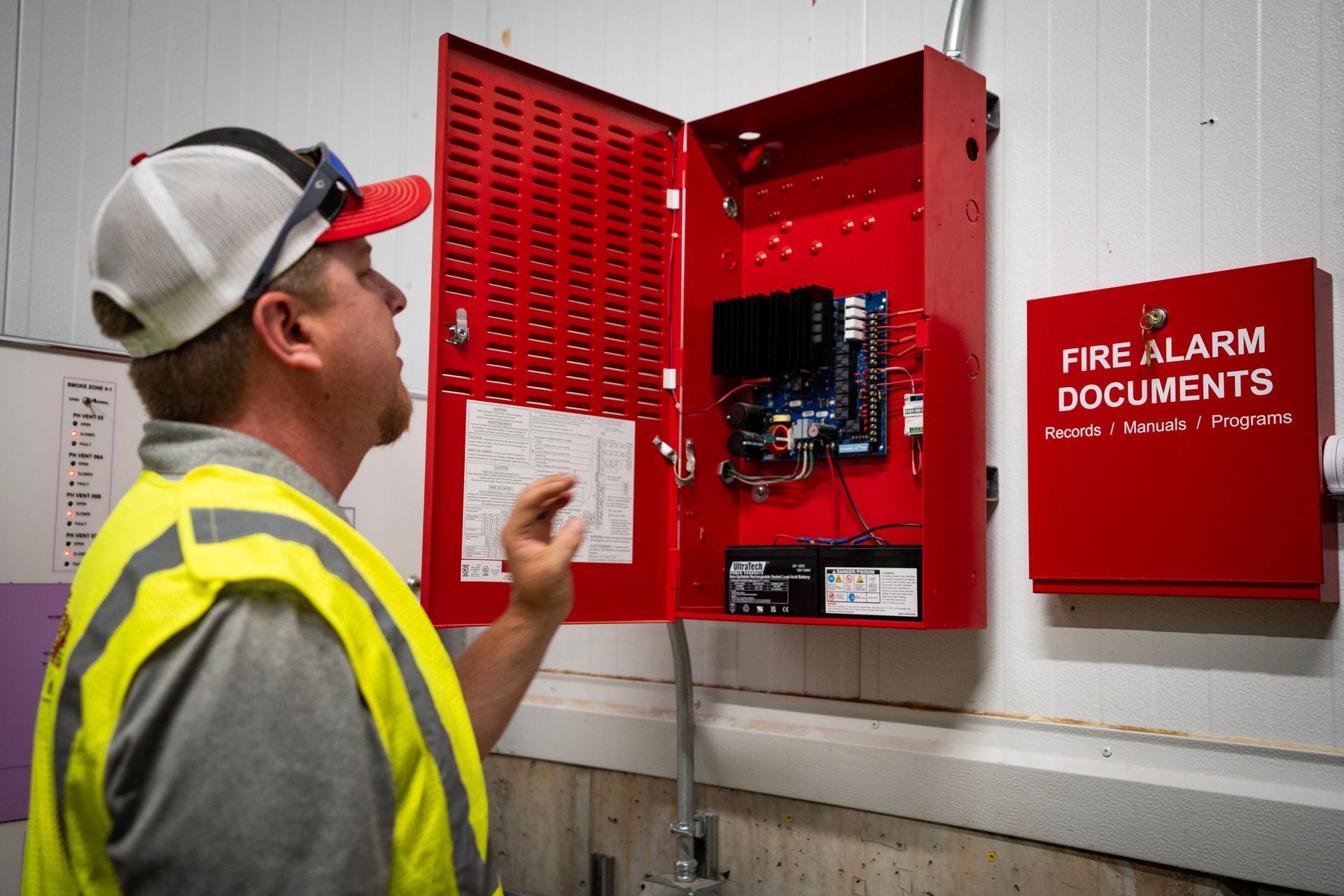
The system monitors smoke detectors, heat detectors, manual pull stations, sprinkler systems, and other fire detection devices.
When activated, the system immediately identifies the emergency and begins the appropriate notification sequence.
Voice Evacuation
Instead of relying only on horns, voice evacuation systems broadcast prerecorded or live emergency announcements.
These messages reduce confusion and direct occupants toward safe actions.
Visual Notification
Strobes remain important for hearing impaired occupants, but modern systems may also display emergency messages on:
- Digital signage
- LED message boards
- Computer monitors
- Information displays
Visual messaging improves accessibility while reinforcing voice announcements.
Campus Wide Communication
Large organizations often require communication beyond a single building.
Mass notification systems can transmit alerts across:
- Multiple buildings
- Manufacturing campuses
- Distribution centers
- Universities
- Hospitals
- Government facilities
This ensures everyone receives consistent information regardless of location.
Mobile Notifications
Many systems now integrate with:
- Text messaging
- Mobile applications
- Desktop notifications
- Email alerts
- Telephone notifications
This allows organizations to reach employees who may be outside the facility or traveling.
Common Applications
Fire alarm mass notification systems are used across many industries.
Manufacturing Facilities
Manufacturing plants may need to communicate:
- Chemical releases
- Equipment failures
- Fire emergencies
- Severe weather
- Utility outages
Large production environments benefit from voice instructions that direct employees away from hazardous areas while minimizing confusion.
Industrial Operations
Industrial facilities frequently contain hazardous materials, high voltage equipment, pressurized systems, and automated production lines.
Integrated notification systems help coordinate safe shutdown procedures while directing personnel toward designated evacuation routes.
Healthcare Facilities
Hospitals often cannot evacuate every patient immediately.
Mass notification systems allow staff to receive detailed instructions while coordinating patient movement based on the specific emergency.
Educational Campuses
Schools and universities benefit from campus wide communication capable of delivering emergency information to thousands of students simultaneously.
Commercial Buildings
Office buildings increasingly use integrated emergency communication systems that provide occupants with real time updates during fires, severe weather, or security incidents.
Benefits of an Integrated Fire Alarm Mass Notification System
Organizations gain significant operational advantages from an integrated solution.
Faster Emergency Response
Automated detection and notification reduce the time between an emergency occurring and occupants receiving instructions.
Earlier communication helps reduce injuries while improving evacuation efficiency.
Improved Occupant Safety
Providing clear instructions minimizes confusion during stressful situations.
Rather than guessing how to respond, occupants receive precise guidance based on the specific emergency.
Better Coordination
Security personnel, emergency responders, and facility managers receive synchronized information, allowing faster decision making.
Greater Flexibility
Different emergencies require different responses.
Mass notification systems can issue customized instructions rather than relying on a single alarm signal.
Regulatory Support
Many facilities must comply with local building codes, life safety requirements, and industry standards governing emergency communication systems.
Proper system design helps support compliance while improving overall safety.
Integration with Building Systems
One of the greatest advantages of modern fire alarm mass notification systems is their ability to integrate with other building technologies.
These systems often connect with:
- Access control systems
- Video surveillance
- Building automation systems
- HVAC controls
- Emergency generators
- Public address systems
- Elevator controls
- Industrial control systems
During an emergency, these integrated systems work together automatically.
For example, access control doors may unlock, HVAC equipment may shut down to reduce smoke movement, elevators may return to designated floors, and emergency announcements can begin simultaneously.
This coordinated response improves both life safety and emergency management.
System Design Considerations
Every facility has unique operational requirements, making proper system design essential.
Important considerations include:
Facility Layout
Large industrial buildings, multiple campuses, and outdoor environments require different notification strategies than a traditional office building.
Occupant Population
System design should consider employees, visitors, contractors, and individuals with accessibility needs.
Risk Assessment
Potential hazards vary significantly between industries.
Manufacturing facilities may prioritize hazardous material notifications, while schools may emphasize campus wide communication and severe weather alerts.
Future Expansion
Facilities continue to grow.
Scalable system architecture allows organizations to expand notification capabilities without replacing the entire system.
Why Choose Recore for Fire Alarm Mass Notification Systems?
At Recore, we understand that emergency communication is more than installing equipment. It requires careful planning, expert integration, and long term reliability.
Our team provides comprehensive electrical and automation solutions that support every phase of a project, including:
- System design
- Electrical engineering
- Equipment integration
- Installation
- Testing and commissioning
- Ongoing maintenance and support
- Future system upgrades
Because every facility operates differently, we customize each fire alarm mass notification system to match operational workflows, building layouts, regulatory requirements, and future growth plans.
Our experience integrating electrical infrastructure, automation, and industrial control systems allows us to deliver solutions that improve both safety and operational efficiency.
Protect Your Facility with a Modern Fire Alarm Mass Notification System
A fire alarm mass notification system has become an essential part of today's life safety strategy. Modern facilities require more than audible alarms. They need intelligent communication systems capable of delivering clear, actionable instructions during a wide range of emergencies.
By integrating fire detection, voice communication, visual messaging, and campus wide notifications into a single platform, organizations can improve occupant safety, reduce emergency response times, and better prepare for evolving risks.
Whether you are upgrading an existing fire alarm system or designing a new facility, Recore can help develop a customized fire alarm mass notification system that provides reliable emergency communication when every second matters.