
Emergency Responder Communications Enhancement System
During an emergency, communication can be just as important as the equipment first responders carry into a building.
Firefighters, police officers, emergency medical personnel, and other emergency responders depend on reliable radio communication to coordinate their response, share critical information, and stay connected with personnel inside and outside a structure. Unfortunately, many commercial and industrial buildings can interfere with the radio signals these teams depend on.
An emergency responder communications enhancement system, commonly referred to as an ERCES, is designed to address this problem.
These critical in-building wireless systems help provide reliable radio communication for emergency personnel inside structures where signal strength may otherwise be compromised. For building owners, facility managers, general contractors, and developers, understanding ERCES requirements and how these systems work is becoming an increasingly important part of planning a safe, connected facility.
What Is an Emergency Responder Communications Enhancement System?
An emergency responder communications enhancement system is an in-building communication system designed to improve wireless coverage for public safety personnel.
Radio coverage can become difficult inside buildings because construction materials and the physical layout of a facility can weaken signals.
ERCES technology helps address these weak or dead zones by extending public safety radio signals throughout a facility.
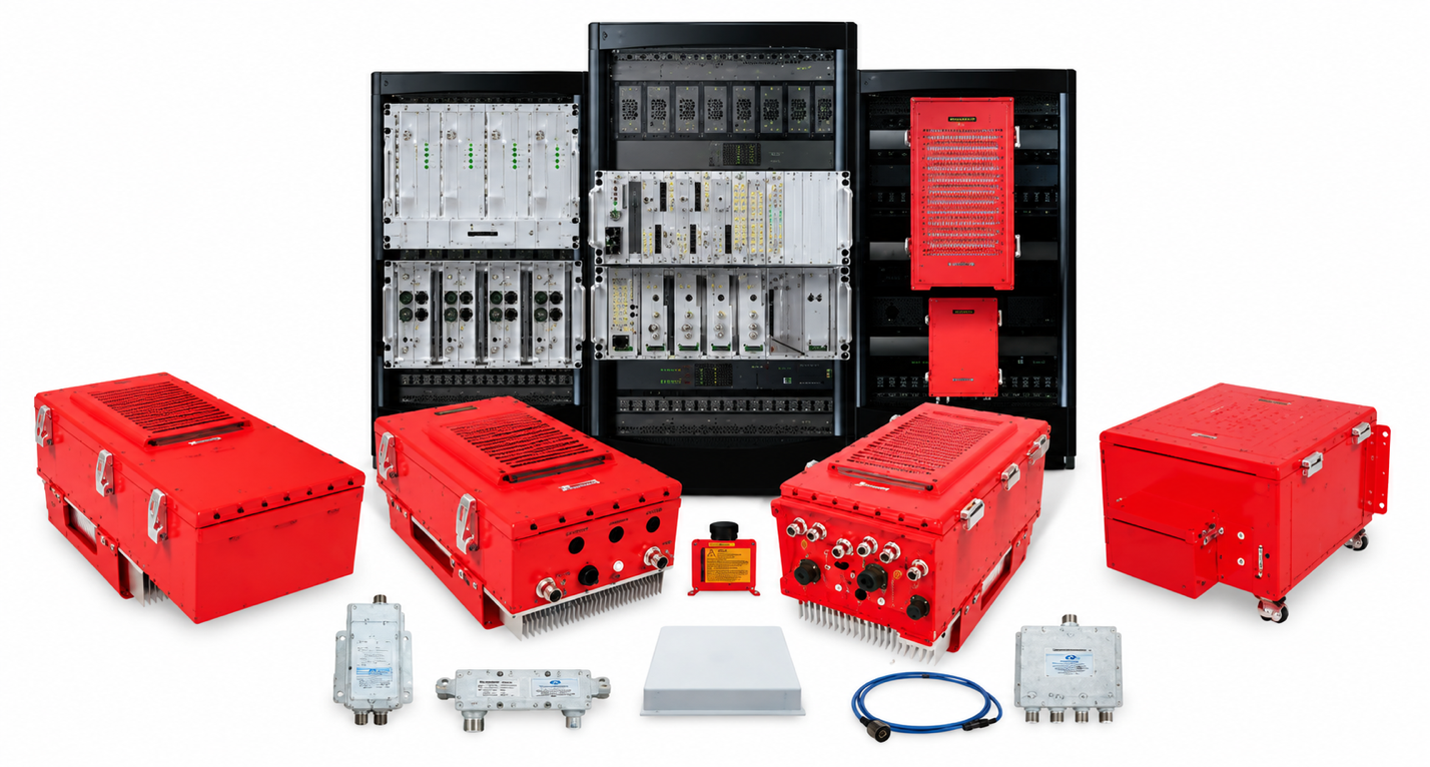
Depending on the system, this can involve components such as:
- An exterior donor antenna
- Bi-directional amplifiers
- Distributed antenna systems
- Indoor antennas
- Coaxial or other supporting cabling
- Power supplies and backup power
- Monitoring and annunciation equipment
Together, these components help create reliable radio coverage in areas where normal public safety radio signals may struggle to penetrate.
Why Buildings Can Create Emergency Communication Dead Zones
Modern buildings contain many materials that can affect radio frequency signals.
Concrete walls, steel framing, metal roofs, energy-efficient glass, underground parking areas, stairwells, basements, mechanical spaces, and large building footprints can all contribute to weak in-building coverage.
A radio that works perfectly outside a facility may experience significant signal degradation once an emergency responder enters the structure.
That can create a serious challenge during an incident. Responders may need to communicate their location, request additional personnel, coordinate evacuation efforts, report changing conditions, or receive instructions from command personnel.
An emergency responder communications enhancement system is designed to strengthen coverage so these communications can continue throughout the building.
How Does an ERCES Work?
One of the primary technologies used to support an ERCES is a bi-directional amplifier, or BDA.
A BDA system receives the public safety radio signal from outside the building, amplifies it, and distributes it throughout the facility using strategically placed antennas. It also helps carry radio transmissions from emergency responders inside the building back toward the public safety radio network.
Recore has previously covered this technology in our guide to BDA Bi-Directional Amplifier Antenna Systems.
The result is a two-way communication environment designed to reduce weak coverage areas and help responders stay connected throughout an emergency.
However, an ERCES is not simply a matter of adding an amplifier.
The system must be properly engineered for the frequencies used by local public safety agencies and coordinated with the appropriate authorities. Poorly designed equipment can potentially create interference instead of improving communications.
ERCES Requirements and NFPA Standards
Emergency responder communication requirements can vary based on the building, jurisdiction, adopted fire code, public safety radio network, and Authority Having Jurisdiction, commonly known as the AHJ.
The National Fire Protection Association (NFPA) addresses in-building Emergency Responder Communications Enhancement Systems in its codes and standards. NFPA materials explain that these systems provide greater flexibility and safety for emergency responders during in-building operations and address circumstances where adequate radio signal strength cannot be maintained inside a structure.
NFPA 1225, Standard for Emergency Services Communications, is also an important standard associated with ERCES design, installation, testing, and maintenance.
Because requirements can differ by jurisdiction, facility owners should work with experienced professionals and the applicable AHJ rather than assuming every building will have identical ERCES requirements.
ERCES and BDA Systems
The terms ERCES and BDA are sometimes used interchangeably, but they do not mean exactly the same thing.
An ERCES refers to the complete emergency responder communication enhancement system.
A BDA, or bi-directional amplifier, is one of the technologies that may be used as part of that system.
Think of the ERCES as the complete solution and the BDA as one of its major components.
A distributed antenna system, or DAS, can distribute the enhanced signal throughout the facility. Antennas are positioned strategically to provide coverage in areas where emergency responders may need reliable communications.
The specific configuration depends on the facility, existing radio coverage, local public safety network, and requirements established by the AHJ.
Testing Is Critical for Emergency Responder Communications
Installing an emergency responder communications enhancement system is only part of the process.
The system must provide reliable coverage where responders actually need it.
Testing can identify areas where radio signals are inadequate and determine whether an enhancement system is necessary. After installation, testing helps verify that the completed system provides the required level of coverage.
Facilities may also require ongoing inspection, testing, and maintenance to ensure the system continues to operate as intended.
This is particularly important because changes to a facility can affect wireless performance over time. Renovations, new equipment, walls, racks, machinery, and other physical changes may alter how radio signals travel through a building.
The same focus on testing and verification applies throughout modern communications infrastructure. Recore discusses this process further in our guide to Commercial Network Cabling Installation: From Design to Testing.
ERCES as Part of a Complete Life Safety Strategy
An emergency responder communications enhancement system should not be viewed in isolation.
Commercial and industrial facilities increasingly depend on interconnected communication, security, electrical, and life safety infrastructure.
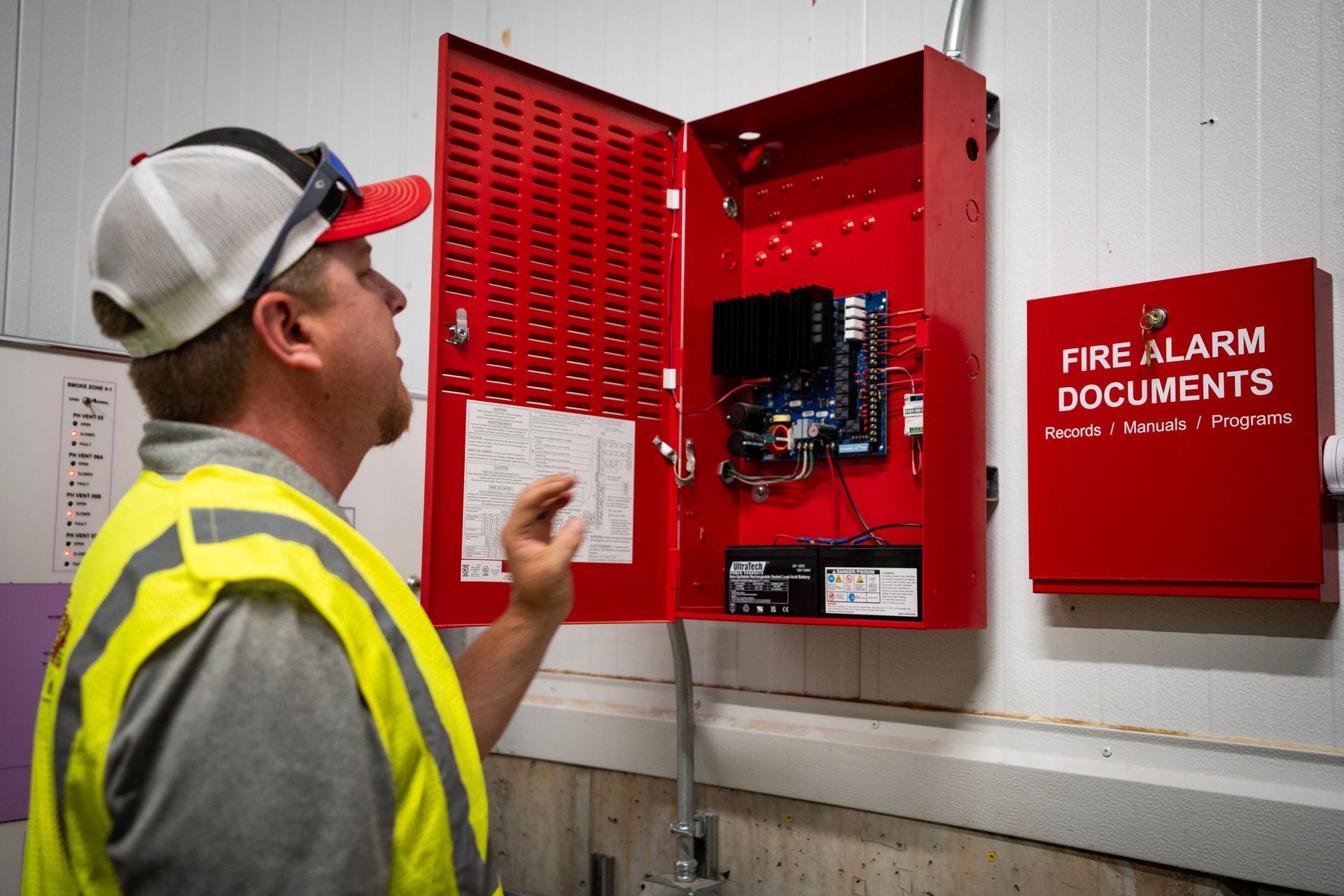
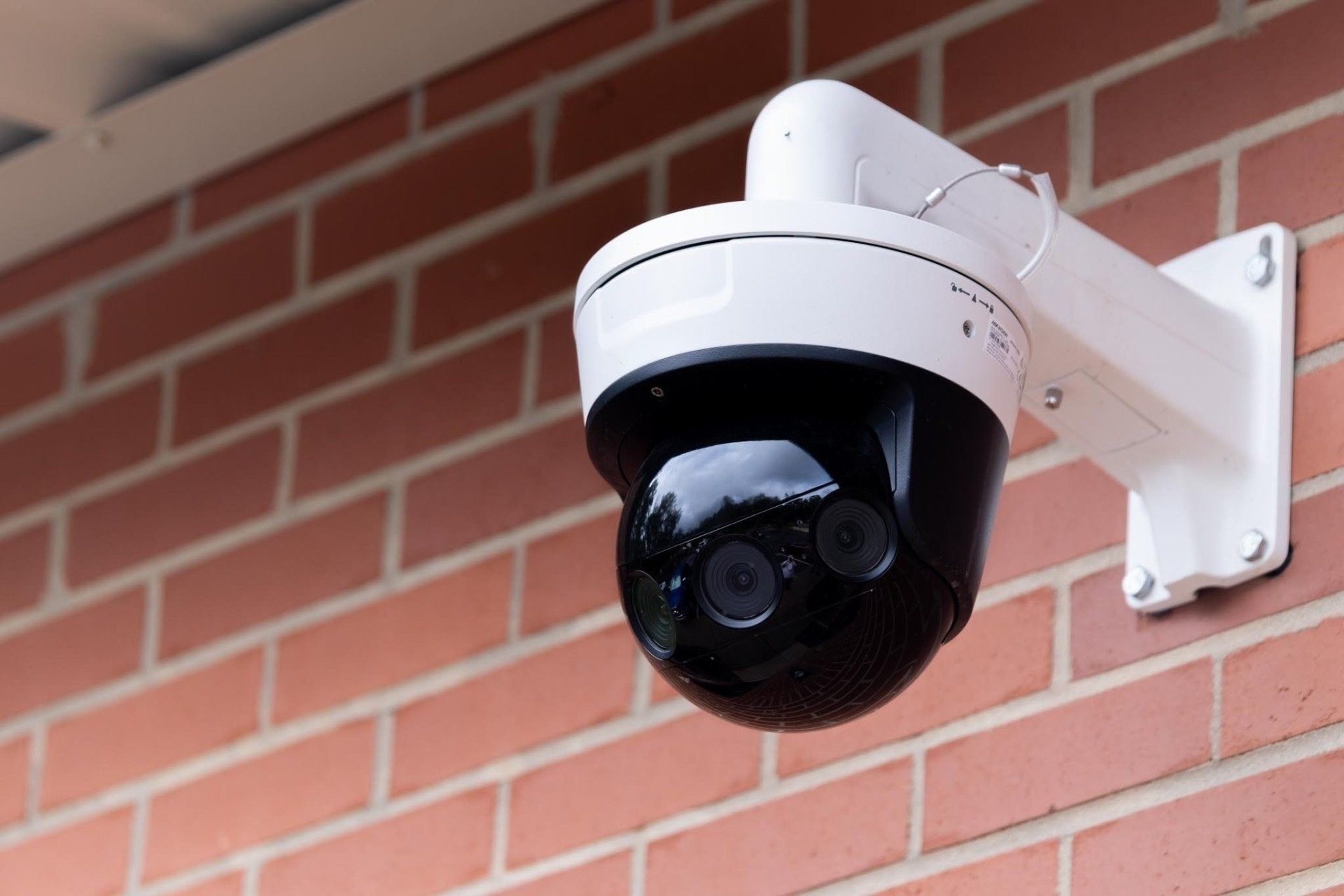
For example, a facility may incorporate an ERCES alongside fire alarm systems, mass notification systems, access control, security cameras, network infrastructure, and other safety technologies.
Coordinating these systems during the planning and construction phases can help reduce conflicts and create a more organized approach to facility safety and communications.
Planning an Emergency Responder Communications Enhancement System
Whether you are constructing a new building, renovating an existing facility, or addressing inadequate public safety radio coverage, ERCES planning should begin early.
Waiting until the end of construction to consider in-building radio coverage can potentially create project delays, unexpected costs, or additional installation work.
Early coordination allows contractors, facility owners, engineers, public safety agencies, and the AHJ to identify requirements and determine what infrastructure may be necessary.
An experienced contractor can also help coordinate pathways, power, antennas, cabling, equipment locations, and other supporting infrastructure before walls and ceilings are completed.
Build Reliable Emergency Communications With Recore
An emergency responder communications enhancement system serves a critical purpose: helping firefighters, police officers, EMS personnel, and other emergency responders maintain reliable communications when operating inside a building.
When normal public safety radio signals are weakened by concrete, steel, underground spaces, or other building conditions, properly designed ERCES infrastructure can help extend coverage into areas where communication is needed most.
At Recore, our experience across electrical, communications, security, and life safety systems allows us to support complex commercial and industrial facilities with integrated solutions designed for reliability.
From data cabling installation and configuration to BDA systems, fire management, and security communications, Recore provides the expertise needed to help facilities build dependable infrastructure from the ground up.
If your facility has inadequate emergency responder radio coverage or you are planning a new construction project, contact Recore to discuss your communication and life safety system requirements.