
HMI Programming for Industrial Operator Control Stations
Modern industrial facilities rely on advanced automation systems to maintain productivity, improve operational efficiency, and minimize equipment downtime. As manufacturing processes become increasingly complex, businesses need reliable ways to monitor machinery, manage production systems, and maintain control over industrial equipment.
HMI programming plays a critical role in making these processes more efficient by providing operators with intuitive touchscreen interfaces that simplify equipment monitoring and control.
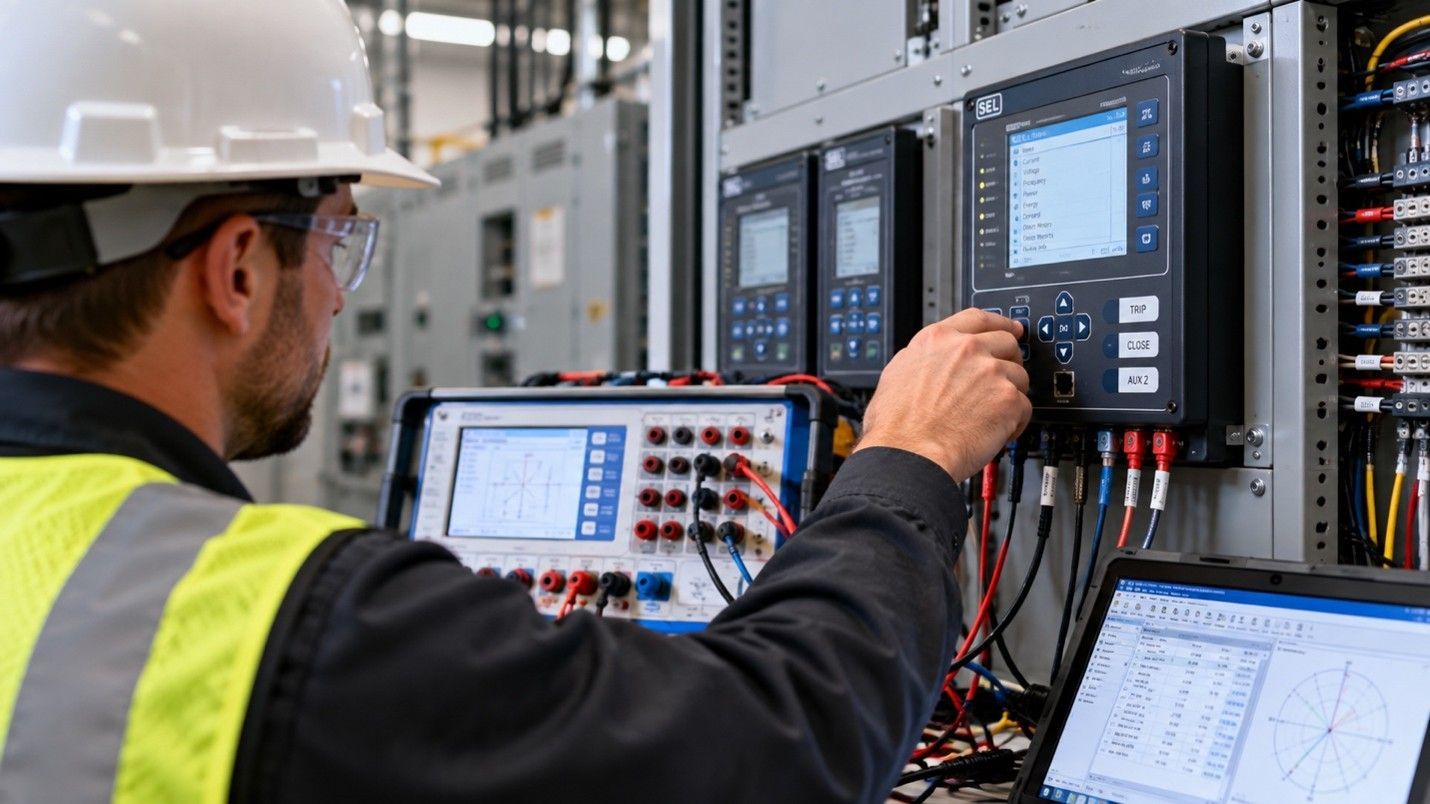
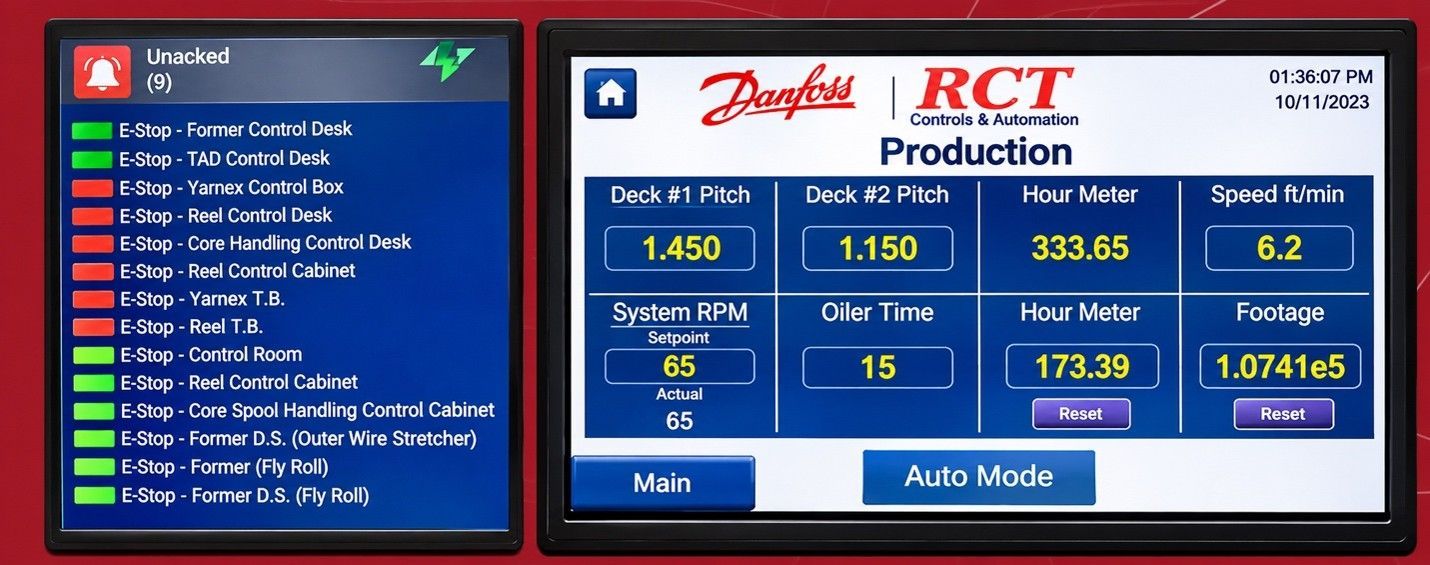
Human Machine Interface (HMI) technology allows industrial operators to interact directly with automated equipment through customized visual displays. When integrated with programmable logic controllers (PLCs) and industrial control systems, HMI panels provide real-time information that helps operators make informed decisions.
At Recore Electric, custom operator control stations are programmed using Rockwell software to provide intuitive touchscreen displays tailored to industrial applications.
Understanding how HMI programming works and its benefits can help manufacturers improve equipment performance, streamline operations, and prepare their facilities for future automation needs.
What Is HMI Programming?
HMI programming involves developing software applications that allow operators to interact with industrial machinery through graphical interfaces.
Rather than relying entirely on traditional switches, buttons, and indicator lights, modern HMI systems use touchscreen displays to present equipment information in an accessible format.
According to the National Institute of Standards and Technology (NIST), a Human Machine Interface consists of hardware or software that allows an operator to interact with a controller. These interfaces can range from basic control panels to advanced industrial computers with graphical displays.
HMI programming enables operators to perform functions such as:
- Monitor equipment operating conditions in real time
- Start, stop, and adjust machinery through authorized controls
- View production data and equipment performance
- Identify alarms and system faults
- Adjust operating parameters within approved limits
- Access diagnostic information for troubleshooting
By consolidating these functions into a centralized interface, HMI systems can simplify industrial equipment management and improve visibility into manufacturing processes.
How Industrial Operator Control Stations Work
Industrial operator control stations serve as the primary communication point between equipment operators and automated machinery.
These stations typically combine an HMI touchscreen with industrial control components that communicate with PLCs and other automation devices.
PLCs manage equipment operations by processing information from sensors and executing programmed control instructions. The HMI communicates with the PLC to display equipment conditions and allow operators to issue authorized commands.
For example, an operator working on a manufacturing production line may use an HMI touchscreen to monitor conveyor speeds, identify equipment faults, or adjust operating settings.
A properly programmed operator control station allows these activities to occur through a consistent interface rather than requiring operators to interact with multiple individual control devices.
This integration is especially valuable in facilities where numerous machines must operate together as part of a larger automated process.
Benefits of Custom HMI Touchscreen Programming
1. Improved Operational Efficiency
Custom HMI programming allows manufacturers to create interfaces designed around their specific equipment and production requirements.
Instead of navigating complicated control systems, operators can access relevant information through organized screens and clearly labeled functions.
This can reduce the time required to perform routine tasks, adjust equipment settings, and monitor production activities.
2. Real-Time Equipment Monitoring
One of the primary advantages of HMI programming is the ability to display equipment information as operating conditions change.
Depending on the system configuration, operators can monitor motor speeds, temperatures, pressures, production counts, and equipment status.
Real-time visibility helps operators recognize unusual operating conditions and respond before minor issues develop into larger disruptions.
3. Faster Equipment Troubleshooting
Industrial equipment failures can create expensive production interruptions.
Custom HMI interfaces can display alarm notifications, fault descriptions, and diagnostic information to help maintenance personnel identify potential problems.
Rather than inspecting multiple components without clear direction, technicians can use available system information to narrow down troubleshooting efforts.
Effective HMI programming can therefore support faster fault identification and more efficient maintenance procedures.
4. Improved Operator Awareness
Industrial facilities depend on operators understanding equipment conditions and responding appropriately.
The International Society of Automation (ISA) emphasizes the importance of intuitive HMI design through its ISA-101 standards, which address usability, operational awareness, reliability, and interface consistency.
Clear visual displays, logical navigation, and appropriately prioritized alarms can help operators understand equipment conditions without unnecessary distractions.
However, HMI programming should complement properly engineered safety systems rather than replace dedicated protective devices or safety controls.
Using Rockwell Automation Software for HMI Programming
Rockwell Automation provides industrial software solutions used to develop operator interfaces for automated manufacturing systems.
One example is FactoryTalk View Machine Edition, which supports the development of machine-level HMI applications for compatible industrial devices.
Rockwell HMI programming can support features such as:
- Customized equipment visualization screens
- Real-time process information
- Alarm notifications and diagnostic displays
- User access management
- Equipment operating parameter adjustments
- Integration with compatible industrial controllers
These capabilities allow manufacturers to develop interfaces that reflect their operational requirements rather than relying on generic display configurations.
Recore Electric utilizes Rockwell software to program touchscreen HMI panels with custom visual displays, helping operators interact with industrial equipment through intuitive control stations.
By focusing on functionality and ease of use, custom HMI programming can improve the interaction between personnel and automated manufacturing systems.
Applications of HMI Programming in Industrial Facilities
Manufacturing Facilities: HMI touchscreen panels allow operators to monitor production equipment, manage machine settings, and review operational information.
Automotive Production: Automated assembly lines often rely on coordinated machinery and control systems. HMI interfaces help operators monitor equipment conditions and respond to production interruptions.
Material Handling Systems: Conveyor systems and automated material handling equipment can use HMI displays to provide information about operating speeds, equipment status, and system faults.
Industrial Processing Facilities: Facilities operating pumps, motors, and processing equipment can use operator control stations to monitor conditions and manage authorized control functions.
Across these applications, effective HMI programming helps make complex automation systems easier to operate and maintain.
Important Considerations for HMI Design
Developing an effective industrial operator control station requires more than simply placing buttons and graphics on a touchscreen.
The interface must be designed around the equipment, operational workflow, and needs of the personnel using it.
Important design considerations include:
- Screen organization: Frequently used functions should be easy to locate.
- Alarm management: Critical notifications should be clearly distinguished from routine operating information.
- System integration: HMI software must communicate reliably with compatible controllers.
- User permissions: Access to sensitive operating functions should be restricted appropriately.
- Scalability: Interfaces should accommodate reasonable equipment modifications and future system requirements.
- Testing: Displays, commands, alarms, and communication functions should be validated before deployment.
Careful planning during HMI development helps reduce operational confusion and supports consistent equipment control.
Recore Electric Operator Control Station Capabilities
Industrial automation systems require electrical infrastructure and control interfaces that work together reliably.
Recore provides operator control station programming using Rockwell software to develop customized touchscreen HMI displays for industrial applications.
These interfaces are designed to provide intuitive visual representations of equipment operations, helping personnel access important information and interact with automated systems.
Whether supporting new equipment installations or integrating operator interfaces into existing industrial environments, properly programmed HMI panels are an important component of modern manufacturing operations.
Businesses planning industrial equipment upgrades should consider how HMI programming can improve equipment visibility, operator interaction, and long-term operational efficiency.
Improve Industrial Equipment Control with Recore
As industrial facilities continue adopting automation technologies, effective HMI programming remains essential for connecting operators with increasingly sophisticated equipment.
Custom touchscreen interfaces help simplify equipment monitoring, improve troubleshooting, and provide greater visibility into manufacturing processes.
By developing intuitive operator control stations using Rockwell software, Recore helps industrial facilities create practical interfaces for their equipment control needs.