
Breaker Refurbishment: Extending the Life of Industrial Electrical Equipment
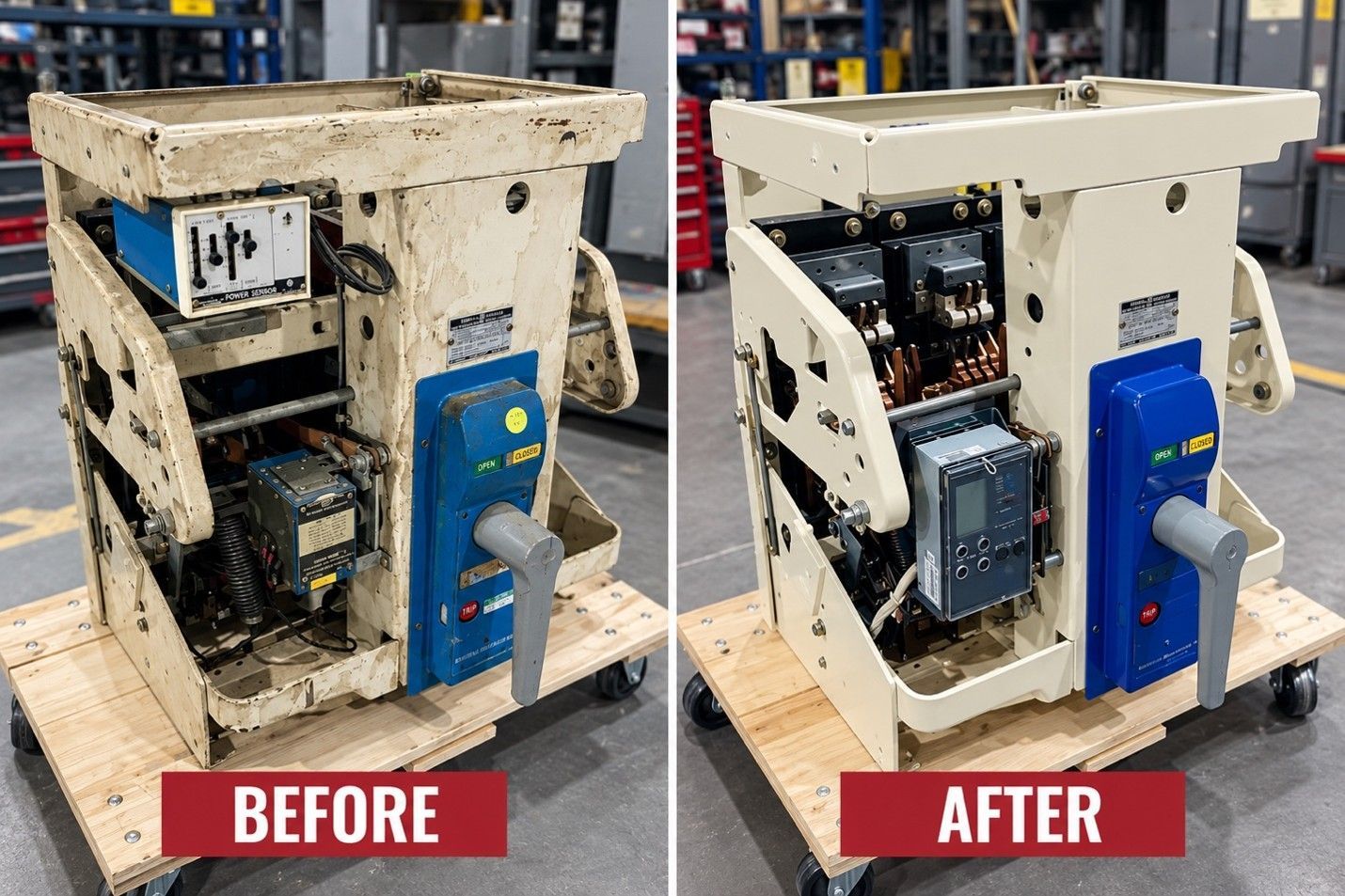
Circuit breakers are essential components of industrial electrical systems, protecting equipment and facilities from overloads, short circuits, and other electrical faults. Over time, however, these devices can experience mechanical wear, contamination, aging components, and performance issues that affect their reliability.
For industrial facilities, replacing aging circuit breakers is not always the most practical or cost-effective solution. In many cases, breaker refurbishment provides an opportunity to restore equipment performance, improve reliability, and extend the useful life of existing electrical infrastructure.
At Recore Electrical, we provide breaker testing and refurbishment services, including cleaning, full tear-downs and rebuilds, functional and electrical testing, and trip unit upgrades and modernization.
Understanding the breaker refurbishment process can help facility managers make informed decisions about maintaining their electrical distribution systems.
What Is Breaker Refurbishment?
Breaker refurbishment is the process of inspecting, cleaning, repairing, rebuilding, and testing existing circuit breakers to restore acceptable operating performance.
Unlike basic preventive maintenance, which may involve routine inspections and cleaning, refurbishment can include extensive disassembly and replacement of worn or damaged components.
The scope of work depends on the breaker's condition, manufacturer specifications, available replacement parts, and facility requirements.
Common breaker refurbishment services include:
- Detailed equipment inspections
- Cleaning and removal of contaminants
- Complete tear-down and rebuild
- Inspection and replacement of worn components
- Mechanical and functional testing
- Electrical performance testing
- Trip unit upgrades and modernization
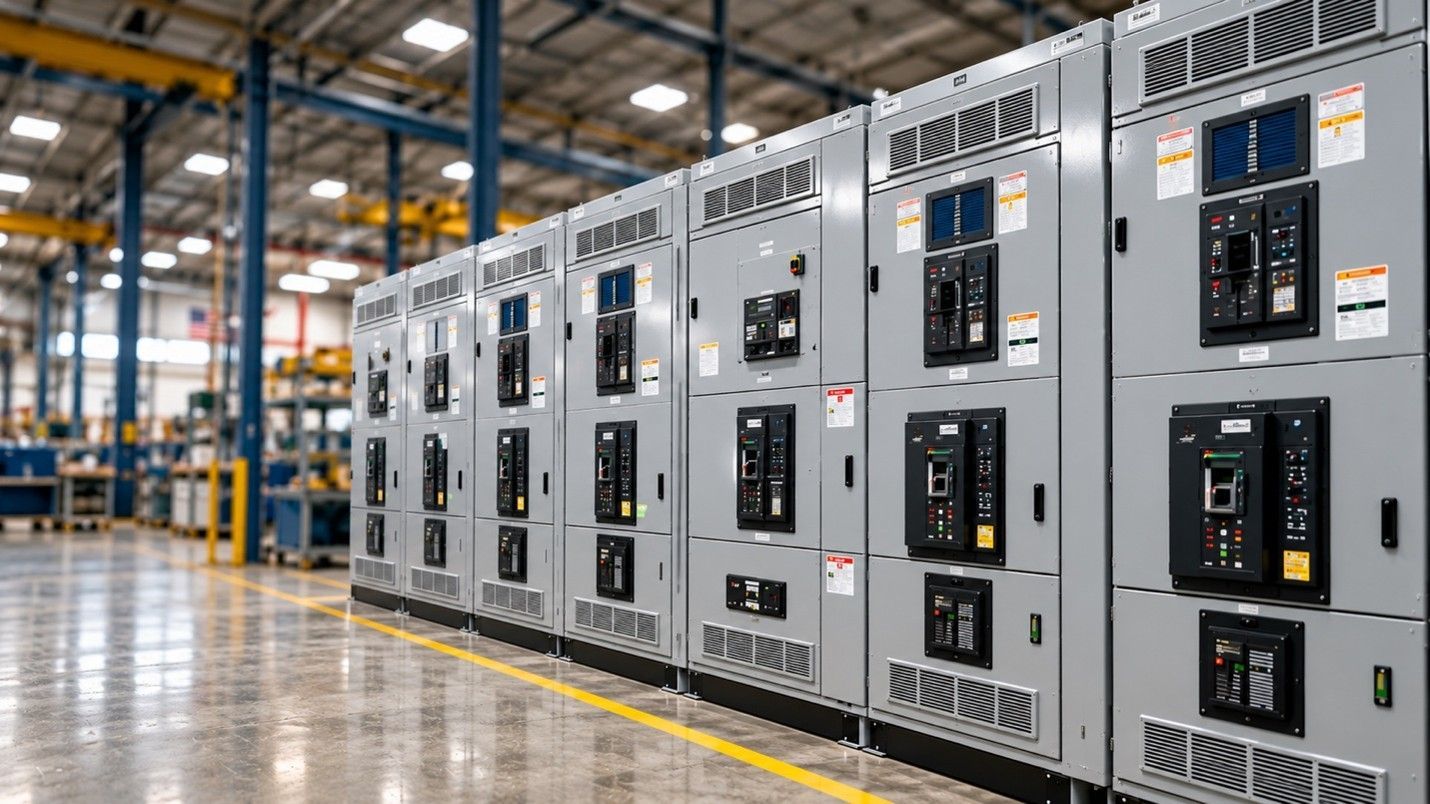
Refurbishment is commonly considered for certain serviceable low-voltage power circuit breakers and other industrial breaker types, depending on their design and condition.
The goal is to restore reliable operation while maintaining the equipment's required protective functions.
Why Breaker Refurbishment Matters for Industrial Facilities
Industrial facilities depend on electrical distribution equipment to support manufacturing operations, production machinery, HVAC systems, and other critical infrastructure.
When a circuit breaker fails to operate correctly, the consequences can include unplanned downtime, equipment damage, and increased safety risks.
Older breakers may develop problems such as:
- Worn mechanical operating components
- Accumulated dust, dirt, or corrosion
- Deteriorating insulation
- Damaged or worn contacts
- Malfunctioning trip mechanisms
- Outdated protective trip units
Breaker refurbishment allows qualified technicians to evaluate these conditions and determine whether equipment can be safely restored.
For facilities operating older electrical systems, refurbishment may also help address equipment obsolescence when compatible replacement components remain available.
1. Cleaning and Initial Inspection
The breaker refurbishment process typically begins with a detailed inspection of the equipment.
Technicians examine the breaker's physical condition, operating mechanisms, contacts, insulation, and other components to identify signs of wear or deterioration.
Dust, grease, corrosion, and other contaminants can accumulate over years of industrial operation.
Depending on the breaker design and manufacturer recommendations, appropriate cleaning methods may be used to remove contaminants and prepare components for further evaluation.
During this stage, technicians may identify damaged parts requiring repair or replacement.
A thorough initial inspection helps determine whether refurbishment is appropriate or whether complete replacement should be considered.
2. Full Tear-Down and Breaker Rebuild
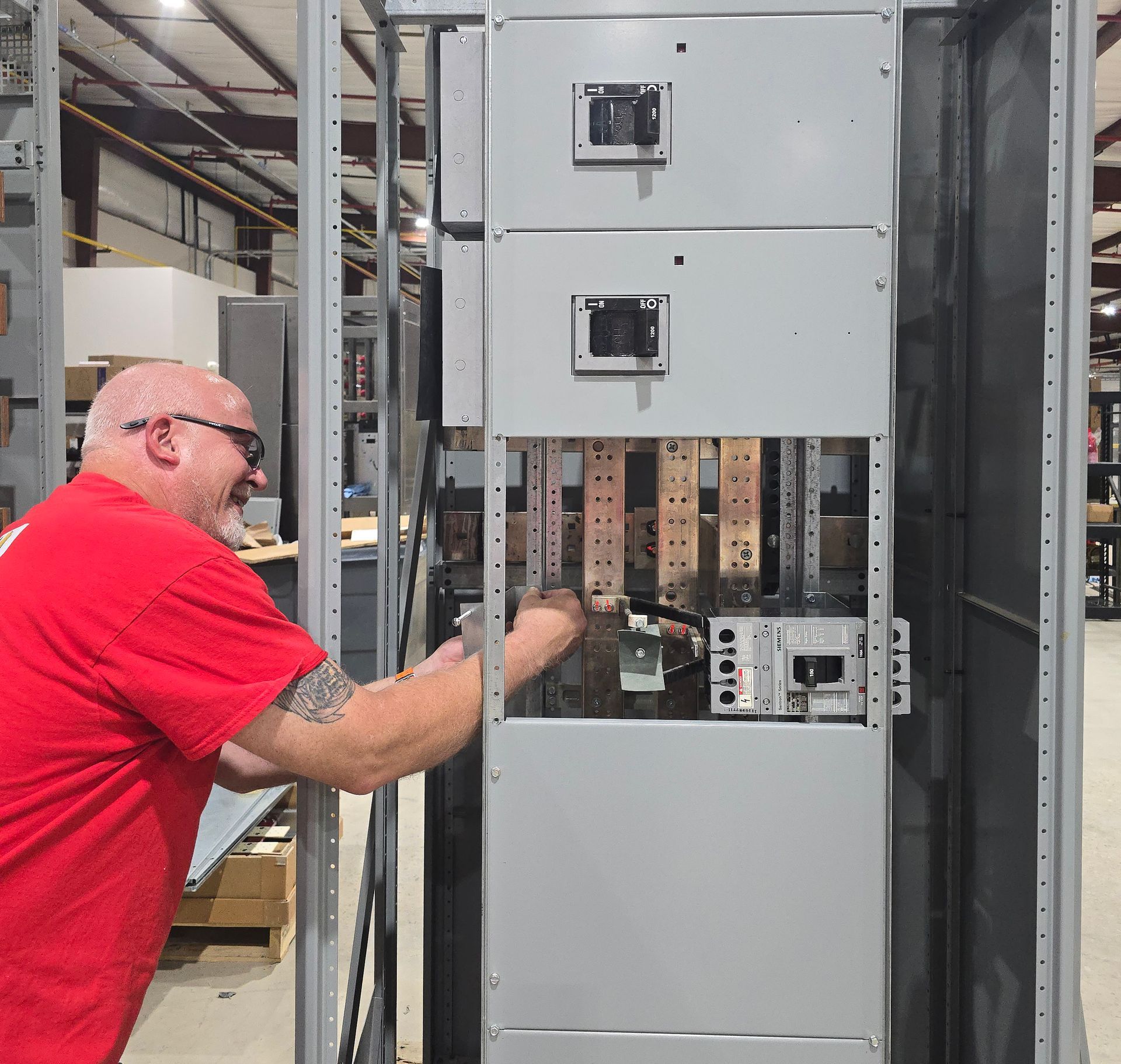
For equipment requiring extensive service, breaker refurbishment may involve a complete tear-down and rebuild.
This process allows technicians to examine internal components that are difficult to access during routine maintenance.
Depending on the equipment, refurbishment may include:
- Disassembly of mechanical operating assemblies
- Inspection of primary contacts and arc-control components
- Evaluation of springs, linkages, and operating mechanisms
- Replacement of worn or damaged components
- Lubrication using manufacturer-approved materials
- Reassembly and mechanical adjustments
A complete rebuild can address mechanical problems that affect the breaker's ability to open, close, or trip correctly.
However, not every breaker is designed for extensive refurbishment. Some sealed or molded-case breakers may require replacement rather than rebuilding.
The decision should be based on equipment design, condition, manufacturer guidance, and applicable safety requirements.
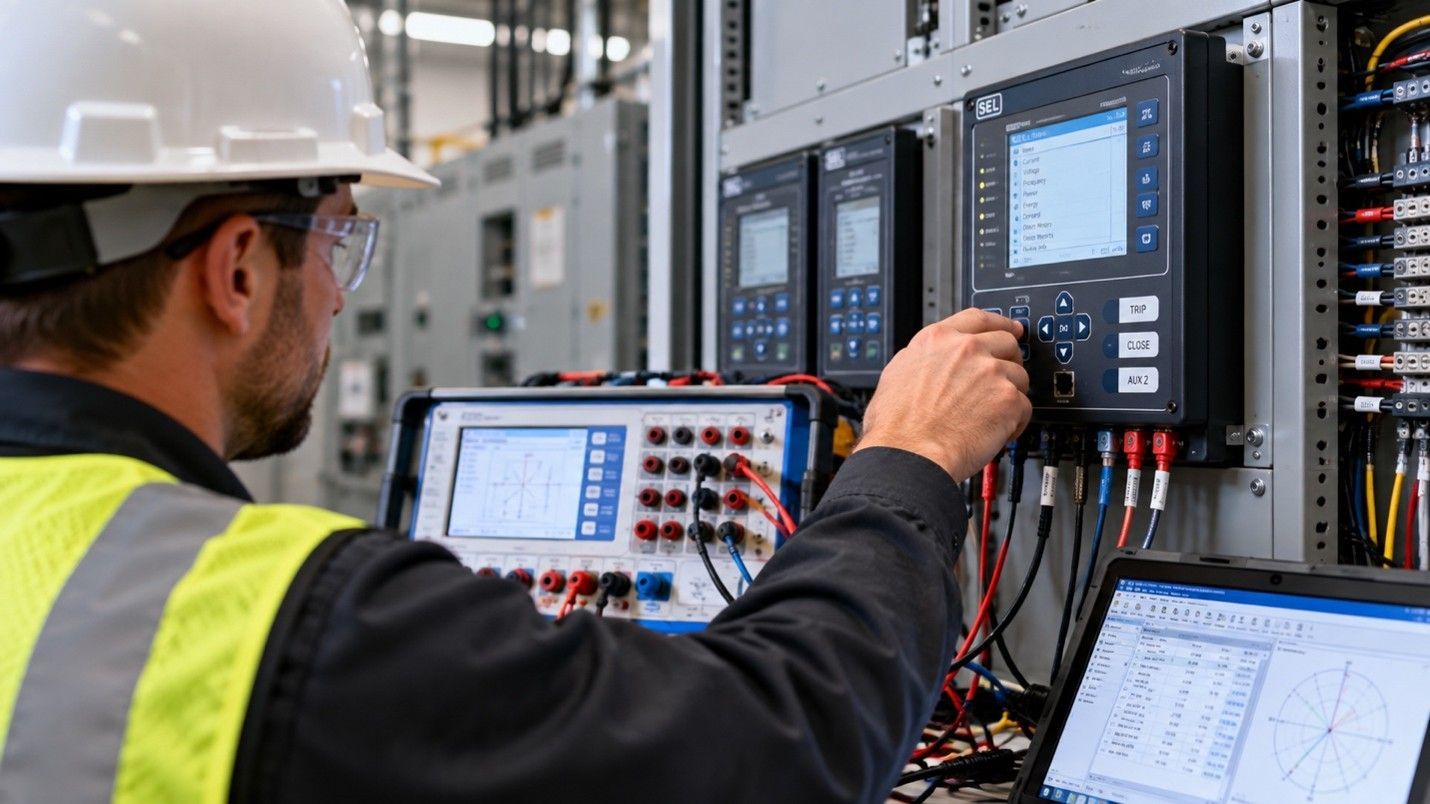
3. Functional and Electrical Testing
Testing is a critical part of the breaker refurbishment process.
After cleaning, repairs, or rebuilding, technicians must verify that the equipment operates according to applicable specifications.
The InterNational Electrical Testing Association (NETA) publishes ANSI/NETA MTS, the Standard for Maintenance Testing Specifications for Electrical Power Equipment and Systems.
This standard addresses inspections and testing intended to evaluate the condition, reliability, and suitability of electrical equipment for continued service.
Depending on breaker type and manufacturer requirements, testing may include:
- Mechanical operation testing: Verifies that the breaker opens, closes, and operates through its intended mechanical functions.
- Contact resistance testing: Evaluates resistance across current-carrying connections to help identify potential contact problems.
- Insulation resistance testing: Assesses insulation condition using appropriate test methods and equipment.
- Trip unit testing: Verifies that protective functions operate within applicable settings and tolerances.
- Functional testing: Confirms that the breaker and its operating accessories perform as intended.
Testing helps establish whether the refurbished breaker meets the applicable criteria for continued operation.
For additional information about maintaining industrial electrical equipment, read Recore's article on Low-Voltage Breaker Rebuilds.
4. Trip Unit Upgrades and Modernization
Another important component of breaker refurbishment is trip unit modernization.
Trip units detect electrical conditions that require a circuit breaker to interrupt current.
Older breakers may use electromechanical or early-generation electronic trip units that offer fewer adjustment and monitoring capabilities than modern systems.
Where compatible and properly engineered, a trip unit upgrade may provide:
- Improved protective function adjustment
- Digital monitoring capabilities
- More detailed fault information
- Enhanced diagnostic features
- Integration with compatible monitoring systems
Modernization can help facilities improve visibility into electrical system performance without necessarily replacing the entire breaker assembly.
However, trip unit upgrades require careful evaluation.
Compatibility, protective device coordination, equipment ratings, and applicable listing requirements must be considered before modifying existing equipment.
A new trip unit does not automatically increase a breaker's interrupting capacity or other equipment ratings.
Breaker Refurbishment vs. Replacement
Not every aging circuit breaker needs to be replaced, but refurbishment is not appropriate in every situation.
Facility managers should consider several factors when deciding between the two approaches.
When Refurbishment May Make Sense
Breaker refurbishment may be appropriate when:
- The breaker is designed to be serviced or rebuilt
- The equipment remains structurally sound
- Compatible replacement parts are available
- Testing indicates the breaker can meet applicable performance requirements
- Replacement would require extensive equipment modifications
When Replacement May Be Necessary
Replacement may be the better option when:
- Critical components are severely damaged
- The equipment cannot meet required electrical ratings
- Replacement parts are unavailable
- The breaker is not designed for rebuilding
- Refurbishment costs approach the cost of replacement
A qualified electrical service provider can help evaluate these considerations before recommending a solution.
Electrical Safety During Breaker Refurbishment
Breaker refurbishment involves working with equipment that can present serious electrical hazards.
Before servicing equipment, qualified personnel must follow applicable electrical safety procedures, including proper isolation, de-energization, and verification of an electrically safe work condition.
The Occupational Safety and Health Administration (OSHA) outlines requirements for controlling hazardous energy during equipment servicing and maintenance.
Proper lockout/tagout procedures help protect workers from unexpected energization or the release of stored energy.
These safety measures are essential when performing breaker inspections, repairs, and refurbishment.
Facility managers should ensure that refurbishment work is performed by qualified professionals following applicable standards and manufacturer requirements.
How Breaker Refurbishment Supports Long-Term Electrical Reliability
Breaker refurbishment should be considered part of a broader electrical maintenance strategy.
Industrial facilities benefit from regularly evaluating electrical distribution equipment, identifying aging components, and addressing performance concerns before failures occur.
A comprehensive maintenance program may include breaker testing, protective relay testing, switchgear inspections, and electrical system evaluations.
Recore discusses related reliability considerations in its articles on Relay Testing.
By combining refurbishment with ongoing maintenance and testing, facilities can make more informed decisions about equipment reliability and future electrical investments.
Professional Breaker Refurbishment Services From Recore Electrical
Aging circuit breakers do not always require complete replacement.
When equipment is suitable for refurbishment, professional cleaning, rebuilding, testing, and modernization can help restore performance and extend its service life.
At Recore Electrical, our breaker refurbishment services include cleaning, full tear-downs and rebuilds, functional and electrical testing, and trip unit upgrades.
Our team understands the importance of maintaining dependable electrical distribution systems in demanding industrial environments.
Whether your facility needs breaker testing, refurbishment, or assistance evaluating aging electrical equipment, Recore can help identify an appropriate solution.
Contact Recore Electrical to learn more about our breaker refurbishment services and how we can support your facility's electrical reliability.