
Low Voltage Breaker Rebuild and Repair: Extending Equipment Life
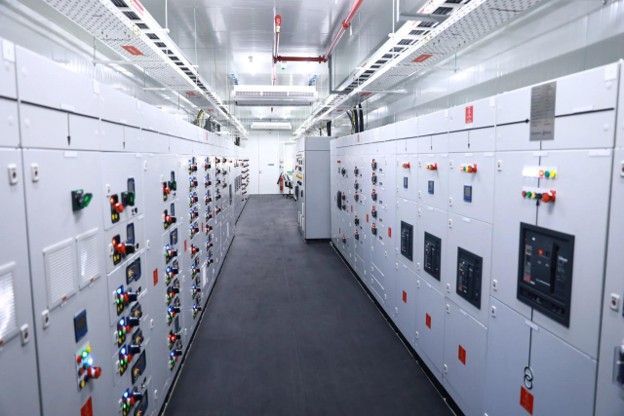
Electrical systems depend on circuit breakers to safely interrupt fault currents, protect equipment, and maintain reliable operation. In the electrical industry, low voltage breakers are power circuit breakers rated up to 600 volts. While many facilities replace aging breakers when problems arise, replacement is not always the most practical or cost-effective solution. In many cases, low voltage breaker rebuild and repair can restore equipment to reliable operating condition while extending service life and reducing downtime.
Whether your facility operates a manufacturing plant, commercial building, healthcare campus, utility, or industrial facility, maintaining low voltage breakers is essential for safety, reliability, and regulatory compliance. Understanding when a breaker should be repaired, rebuilt, or replaced helps facility managers maximize the value of their electrical infrastructure while minimizing unexpected failures.
What Is Low Voltage Breaker Rebuild and Repair?
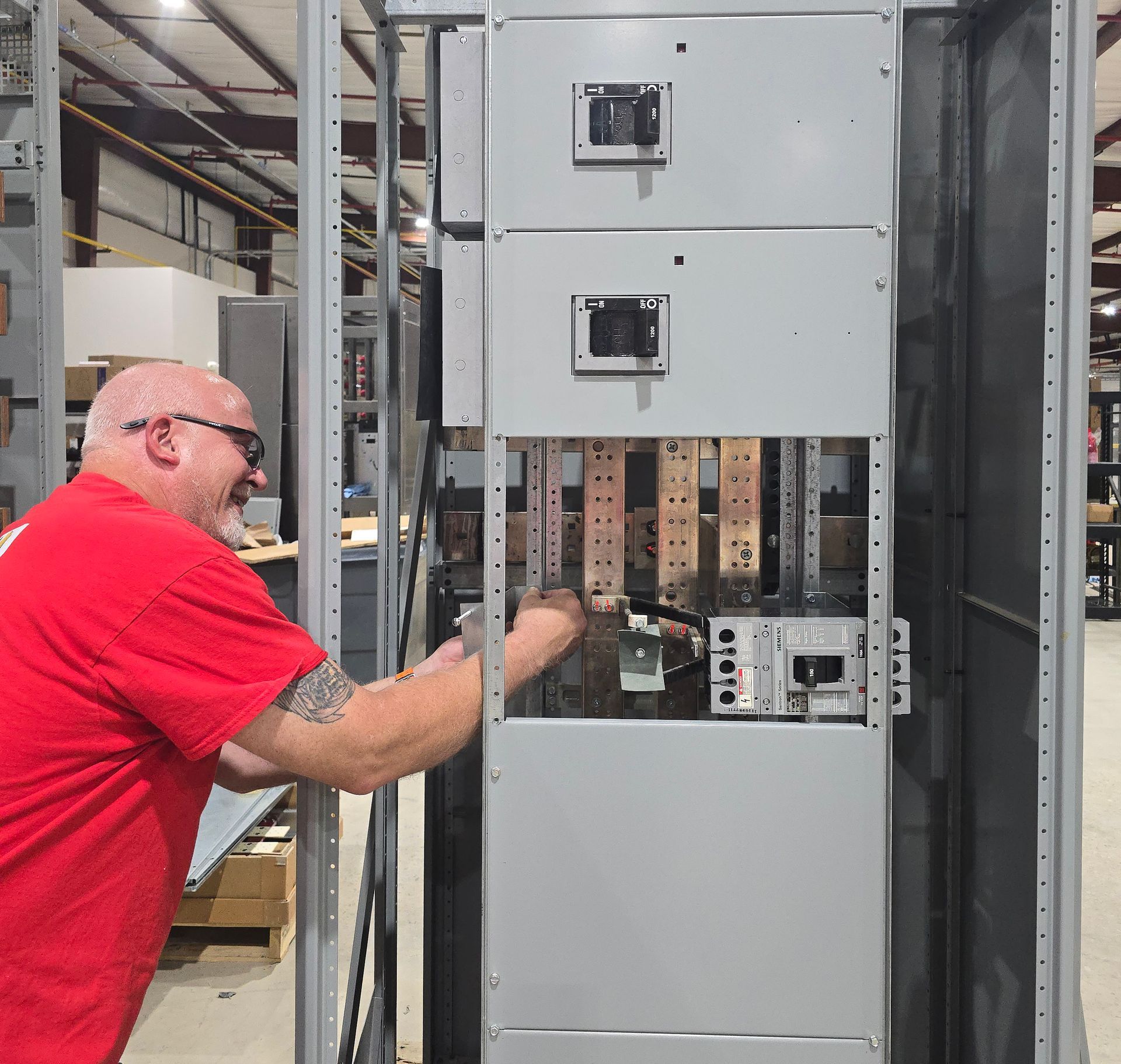
Low voltage breaker rebuild and repair is the process of restoring low voltage power circuit breakers rated up to 600 volts to proper operating condition through inspection, cleaning, replacement of worn components, lubrication, calibration, and performance testing. These breakers are commonly found in commercial, industrial, and utility electrical distribution systems.
Rather than replacing an entire breaker assembly, qualified technicians evaluate the condition of internal components and restore the equipment according to manufacturer specifications whenever practical.
A typical rebuild may include:
- Complete disassembly
- Cleaning all internal components
- Replacing worn springs and operating mechanisms
- Installing new contacts if necessary
- Lubricating moving parts
- Verifying trip unit operation
- Torque verification
- Electrical testing
- Functional testing before returning the breaker to service
When performed correctly, rebuilding can significantly increase breaker reliability while reducing replacement costs.
Why Low Voltage Breakers Require Maintenance
Circuit breakers are mechanical devices. Every operation places wear on springs, contacts, bearings, and linkages.
Even breakers that rarely trip can develop issues caused by:
- Dust and contamination
- Moisture intrusion
- Corrosion
- Aging lubricants
- Loose electrical connections
- Mechanical fatigue
- Environmental conditions
Without regular maintenance, these issues can prevent a breaker from opening during a fault, increasing the risk of equipment damage, arc flash incidents, and extended outages.
The National Fire Protection Association (NFPA) notes that proper maintenance is essential for electrical system reliability and worker safety through its guidance in NFPA 70B.
Signs Your Breaker May Need Rebuild or Repair
Not every breaker failure is obvious. Facilities should monitor for warning signs that indicate service may be necessary.
Common indicators include:
Frequent nuisance tripping
Breakers that trip without an apparent overload may have worn operating mechanisms or deteriorating trip units.
Visible damage
Burn marks, corrosion, cracked insulation, or damaged housings often indicate internal deterioration.
Excessive heat
Thermal imaging may reveal abnormal heating caused by loose connections or worn contacts.
Difficulty operating the breaker
If opening or closing the breaker requires excessive force or feels inconsistent, internal mechanical components may require rebuilding.
Long service life
Many industrial breakers remain in service for decades. Even if they appear functional, preventive maintenance helps ensure they continue operating properly during fault conditions.
Benefits of Low Voltage Breaker Rebuild and Repair
Lower costs
Replacing large power breakers can be expensive, especially when equipment has been discontinued.
Rebuilding often costs substantially less while restoring dependable performance.
Reduced downtime
Many rebuilds can be completed faster than sourcing replacement breakers, especially for older switchgear.
Increased reliability
Replacing worn components reduces the likelihood of unexpected failures.
Improved safety
Extended equipment life
A professionally rebuilt breaker can continue operating reliably for many additional years when paired with an ongoing maintenance program.
The Low Voltage Breaker Rebuild Process
Every manufacturer has specific service recommendations, but most low voltage breaker rebuild and repair projects follow a similar process.
Initial Inspection
Technicians visually inspect the breaker for:
- Physical damage
- Contact wear
- Insulation deterioration
- Corrosion
- Loose hardware
- Mechanical defects
They also review maintenance history whenever available.
Disassembly and Cleaning
The breaker is carefully disassembled to allow access to all internal components.
Dust, grease, oxidation, and contaminants are removed using approved cleaning methods.
Component Replacement
Common replacement items include:
- Main contacts
- Arc contacts
- Springs
- Bearings
- Pins
- Rollers
- Insulating components
- Hardware
Only components showing wear or failing manufacturer tolerances are typically replaced.
Lubrication and Reassembly
Moving parts receive manufacturer approved lubricants before the breaker is reassembled according to factory specifications.
Electrical Testing
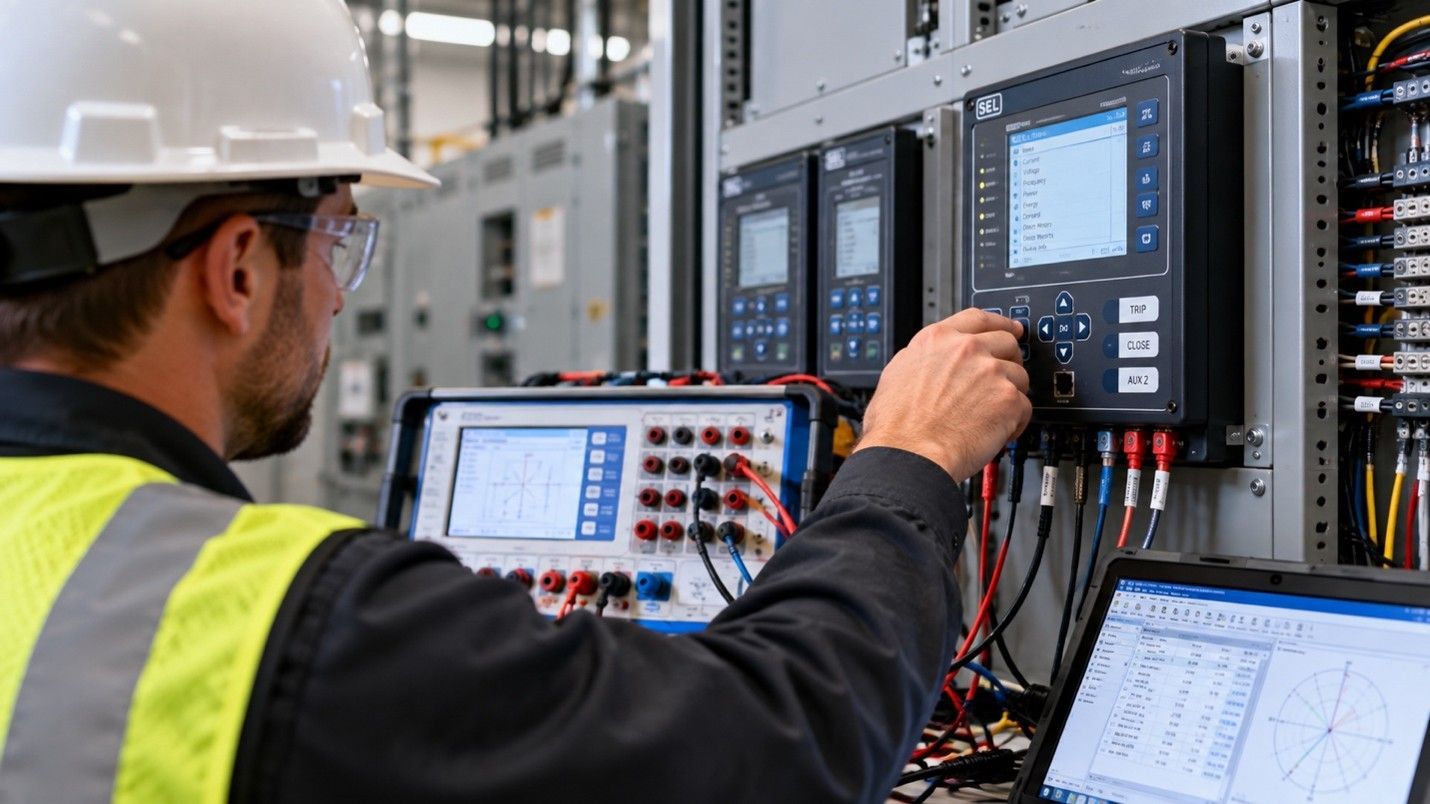
Before returning the breaker to service, technicians perform multiple tests to verify proper operation.
Testing may include:
- Contact resistance testing
- Insulation resistance testing
- Trip testing
- Mechanical operation testing
- Timing verification
- Visual inspection
- Functional testing
These tests confirm the breaker performs as intended before being reinstalled.
The Importance of Preventive Maintenance
One of the biggest mistakes facilities make is waiting until a breaker fails before performing maintenance.
Preventive maintenance programs help identify developing problems before they become major failures.
Current industry guidance emphasizes routine inspection, testing, cleaning, lubrication, and documentation based on equipment condition and manufacturer recommendations. Facilities that follow structured maintenance programs generally experience fewer unplanned outages and longer equipment life.
In addition, the Occupational Safety and Health Administration (OSHA) requires employers to protect workers from recognized electrical hazards, making properly maintained electrical equipment an important part of workplace safety.
When Should You Replace Instead of Rebuild?
Although low voltage breaker rebuild and repair is an excellent solution for many applications, replacement is sometimes the better option.
Replacement may be appropriate when:
- The breaker has extensive structural damage.
- Replacement parts are unavailable.
- The equipment no longer meets operational requirements.
- The cost of rebuilding approaches replacement cost.
- The manufacturer recommends retirement.
An experienced electrical services provider can evaluate the condition of your breaker and recommend the most economical solution.
Choosing the Right Electrical Service Partner
Breaker rebuilding requires specialized knowledge, proper testing equipment, and familiarity with multiple manufacturers.
When selecting a contractor, consider whether they provide:
- Experienced electrical technicians
- Comprehensive inspection and testing
- Manufacturer recommended procedures
- Detailed maintenance documentation
- Preventive maintenance programs
- Emergency repair services
- Switchgear expertise
- Ongoing electrical support
Keep Your Electrical System Reliable
Electrical failures rarely happen without warning. Routine inspections and timely low voltage breaker rebuild and repair allow facilities to address wear before it leads to costly outages or safety incidents.
Whether maintaining aging switchgear, restoring obsolete breakers, or supporting preventive maintenance programs, rebuilding provides a practical way to improve equipment reliability while reducing capital replacement costs.
At Recore Electric, our experienced technicians provide comprehensive electrical maintenance, testing, troubleshooting, and low voltage breaker rebuild and repair services that help industrial and commercial facilities maximize uptime and keep critical power systems operating safely and efficiently.