
Utility Transformer Placement and Distribution: Electrical Contracting
Utility transformer placement and distribution are critical components of electrical infrastructure for industrial facilities. The location of transformers and the design of distribution systems directly impact reliability, safety, efficiency, and long-term performance. When transformers are properly placed and distribution is carefully designed, facilities benefit from stable voltage, reduced losses, easier maintenance, and improved operational continuity.
Electrical contractors like Recore specialize in utility transformer placement and distribution by evaluating site conditions, coordinating with utilities, and designing distribution pathways that support current loads while allowing room for future expansion. This article explains the importance of transformer placement, distribution design strategies, and best practices for building dependable power infrastructure.
Understanding Utility Transformer Placement and Distribution
Utility transformer placement and distribution refer to positioning transformers where utility power is stepped down and routed throughout a facility. Transformers convert medium voltage from the utility into usable voltages such as 480V, 4160V, or 208V. Their placement influences cable length, voltage drop, fault coordination, and maintenance access.
Poor placement can increase conductor costs, reduce efficiency, and make maintenance difficult. Strategic placement improves system performance and reduces lifecycle costs. According to the U.S. Department of Energy, optimizing transformer location and distribution reduces electrical losses and improves overall power system efficiency across industrial facilities. This makes transformer placement a key design decision rather than simply an installation step.
Why Transformer Placement Matters
Transformer placement affects multiple aspects of facility operations. The most effective installations consider proximity to load centers, accessibility, safety clearance, and environmental conditions.
Locating transformers close to major loads reduces feeder length and voltage drop. This improves efficiency and reduces the size of conductors required for distribution. In industrial environments, transformers are often placed near large motor loads, mechanical equipment rooms, or centralized switchgear areas. This approach minimizes secondary distribution distance and supports stable voltage delivery.
Accessibility is equally important. Transformers require periodic inspection, testing, and potential replacement. Proper placement allows service vehicles, lifting equipment, and maintenance personnel to access the transformer safely. Limited access increases downtime and complicates maintenance activities.
Safety clearance also plays a major role in utility transformer placement and distribution. The National Fire Protection Association provides clearance guidance through NFPA 70, which defines working space and safety requirements for transformer installations. Following these guidelines helps reduce hazards and supports safe operation.
Key Considerations for Utility Transformer Placement
When planning utility transformer placement and distribution, contractors evaluate several core factors:
- Proximity to major electrical loads to reduce voltage drop
- Safe working clearance for maintenance access
- Coordination with utility service entrance location
- Adequate ventilation and heat dissipation
- Physical protection from vehicles and site hazards
- Space for future expansion and additional feeders
These considerations help create a placement strategy that supports both immediate needs and long term facility growth.
Outdoor vs Indoor Transformer Placement
Utility transformer placement and distribution strategies vary depending on whether transformers are installed outdoors or indoors. Outdoor placement is common for industrial campuses and large infrastructure projects. These installations allow better cooling, easier maintenance access, and simplified replacement. Outdoor transformers are typically mounted on concrete pads and connected through underground or overhead medium voltage feeders.
Indoor transformer placement is used when space constraints, environmental protection, or noise control are required. Indoor installations require ventilation, heat management, and fire rated rooms. Contractors must also provide adequate working space and access routes. Because indoor transformers generate heat, placement must allow airflow and prevent overheating.
Distribution Design After Transformer Placement
Once transformers are positioned, the distribution system routes power throughout the facility. Utility transformer placement and distribution planning focuses on efficiency and reliability. Primary distribution connects utility service to transformers, typically using medium voltage feeders. These feeders may be configured in radial, loop, or redundant arrangements depending on reliability requirements.
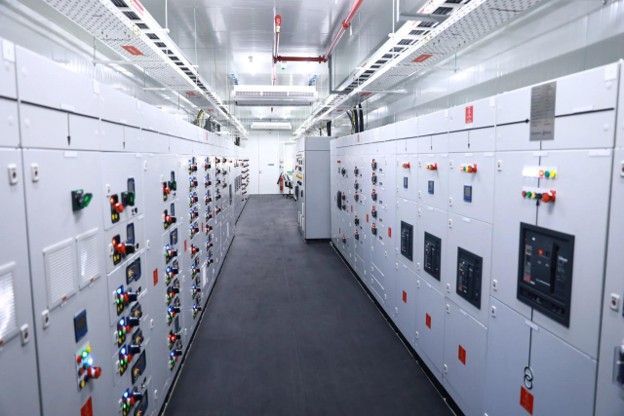
Secondary distribution delivers power from transformers to switchgear, panelboards, and equipment. Proper transformer placement shortens secondary feeders and improves voltage regulation. This reduces losses and supports efficient power delivery across the facility.
Distribution design must also account for future expansion. Facilities often grow, add equipment, or increase load demand. Strategic transformer placement allows additional feeders and distribution equipment to be added without major rework. Recore plans distribution pathways with spare capacity to support long term growth.
Benefits of Proper Utility Transformer Placement and Distribution
Well planned utility transformer placement and distribution provide measurable operational benefits:
- Improved voltage stability across facility loads
- Reduced conductor costs and installation complexity
- Easier maintenance and equipment replacement
- Lower energy losses and improved efficiency
- Enhanced safety for personnel and equipment
- Greater flexibility for future expansion
These advantages make transformer placement one of the most important early decisions in electrical system design.
Site Preparation for Transformer Installation
Utility transformer placement and distribution require careful site preparation. Transformers are heavy pieces of equipment that require stable foundations and proper grounding. Concrete pads must be designed to support the transformer weight and allow conduit routing for primary and secondary feeders.
Drainage is another important consideration. Outdoor transformers may require oil containment or slope grading to prevent water accumulation. Grounding grids and bonding systems are installed to protect equipment and personnel. Proper grounding also improves fault clearing and system protection.
Recore coordinates civil, structural, and electrical disciplines to prepare transformer sites that meet safety and operational requirements.
Reliability Considerations
Utility transformer placement and distribution strongly influence reliability. Strategic placement supports redundancy and fault isolation. Facilities with critical operations often use multiple transformers or loop fed distribution systems. This allows power to be maintained even if one transformer is taken offline for maintenance.
Transformers may also be placed to support sectionalized distribution. This approach divides electrical systems into zones that can be isolated during faults. Proper placement allows operators to maintain power to unaffected areas while repairs are performed.
Recore designs transformer placement with reliability in mind, especially for mission critical environments where downtime is not acceptable.
Utility Coordination
Utility transformer placement and distribution require coordination with the serving utility. Utilities often specify service entrance location, metering requirements, and switching arrangements. Placement must also account for easements, access requirements, and protection coordination.
Recore works closely with utilities and engineers to align placement with service requirements. This coordination helps avoid delays and supports smooth commissioning.
Conclusion
Utility transformer placement and distribution are foundational elements of dependable electrical infrastructure. Strategic placement improves efficiency, enhances safety, and supports reliable power delivery. Distribution design built around properly located transformers reduces losses and simplifies maintenance.
Experienced contractors like Recore bring the knowledge required to evaluate placement options, coordinate with utilities, and implement distribution systems that support operational demands. With thoughtful planning and expert execution, utility transformer placement and distribution create a strong backbone for industrial and mission critical electrical systems.