
Early BIM Coordination: Solving Construction Problems Before They Start
Most construction problems do not begin in the field. They begin much earlier, during coordination. When electrical systems, structural components, process equipment, and other trades are not aligned from the start, those gaps show up during installation. The result is familiar across the industry: delays, change orders, rework, and unnecessary costs.
For complex industrial and commercial projects, avoiding these issues comes down to one key strategy: early BIM coordination.
At Recore Electrical Contractors, early BIM coordination is not an added step. It is a foundational part of how projects are planned, designed, and executed. By aligning all systems before construction begins, Recore helps clients move into the field with clarity, confidence, and a fully coordinated plan.
What Is Early BIM Coordination?
Early BIM coordination refers to the use of Building Information Modeling at the earliest stages of project planning and design. Instead of waiting until construction is underway to identify conflicts, BIM allows teams to build a digital version of the project first.
This digital model includes all major systems:
- Electrical infrastructure
- Structural elements
- Mechanical systems
- Process equipment
- Utility distribution
When these systems are integrated into a single model, teams can identify clashes, optimize layouts, and resolve conflicts before they impact the jobsite.
Organizations like the National Institute of Building Sciences emphasize that BIM improves coordination and reduces costly field conflicts by enabling collaboration across disciplines early in the project lifecycle.
Why Most Construction Problems Start During Coordination
Construction projects involve multiple teams working toward a shared outcome, but often with different priorities and timelines. Without early BIM coordination, each trade may design and plan in isolation.
This leads to common issues such as:
- Conduit pathways interfering with structural elements
- Cable tray routing conflicting with HVAC systems
- Equipment placement limiting accessibility or maintenance
- Utility distribution layouts overlapping with other infrastructure
When these conflicts are discovered in the field, the impact is immediate. Crews are forced to stop work, redesign solutions on the fly, and adjust installations. These changes ripple across the project, affecting schedules and budgets.
How Recore Uses Early BIM Coordination
Recore’s design-build engineering team prioritizes early BIM coordination as a core part of project delivery. The goal is simple: solve construction challenges before they reach the field.
Before any installation begins, Recore develops fully integrated 3D models that align electrical systems with all other trades. These models provide a comprehensive view of how the project will function in real-world conditions.
Key systems coordinated during this phase include:
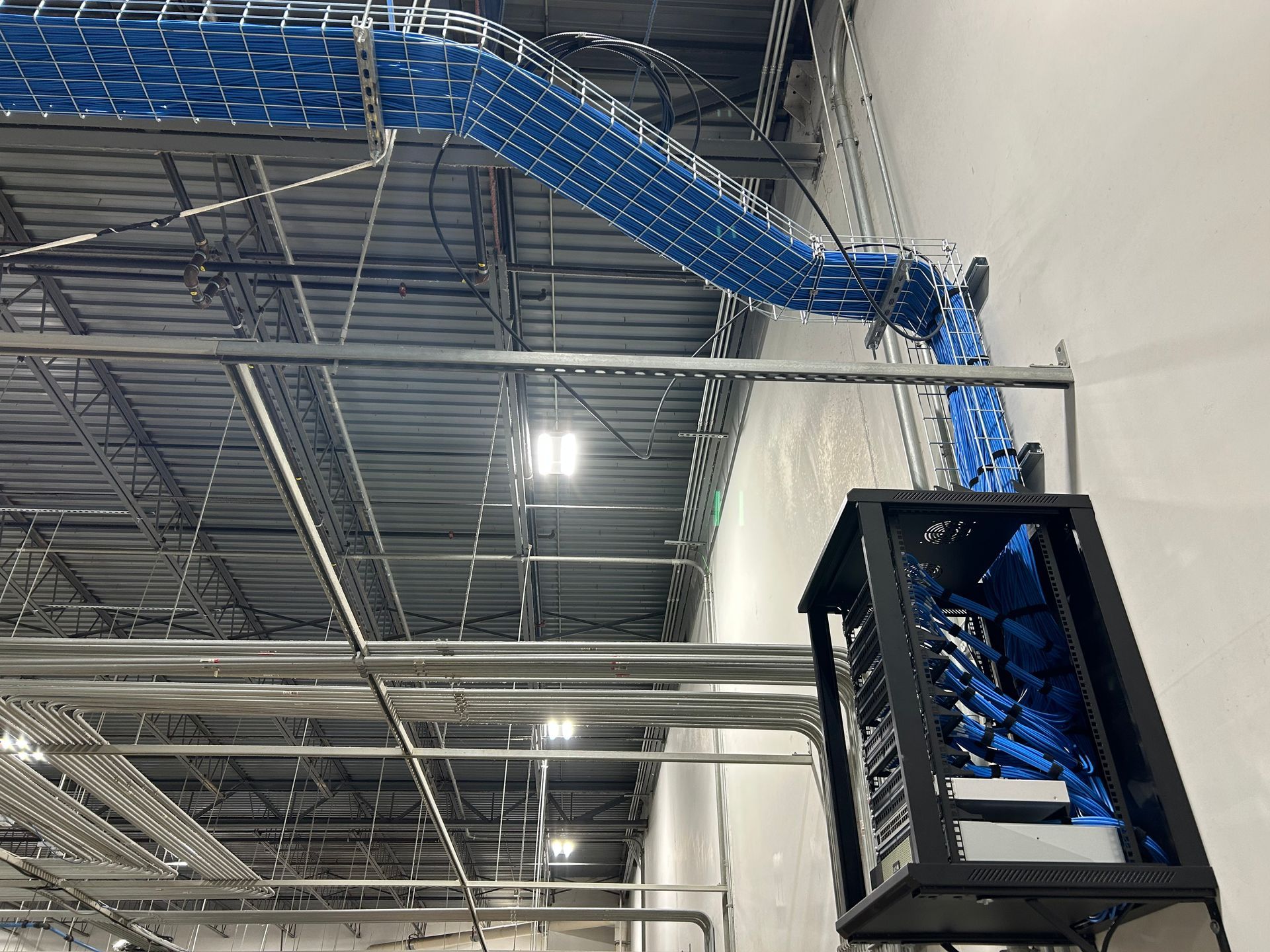
Cable Tray Routing Across the Facility
Cable tray systems are critical to electrical infrastructure, especially in industrial and mission critical environments. Early BIM coordination allows Recore to map out routing paths that avoid conflicts with structural and mechanical systems while maintaining accessibility for maintenance and expansion.
Utility Transformer Placement and Distribution
Transformer placement impacts both performance and safety. Through early BIM coordination, Recore ensures that transformers are positioned for optimal distribution while aligning with site constraints and other infrastructure.
Lighting Layouts for Operations and Safety
Lighting is more than illumination. It directly affects productivity, safety, and workflow. By modeling lighting layouts early, Recore ensures proper coverage, minimizes shadows, and aligns lighting systems with operational needs.
Conduit Pathways and Equipment Integration
Conduit routing must be precise to avoid interference with other systems. Early BIM coordination allows Recore to plan pathways that integrate seamlessly with equipment and structural components.
From Digital Model to Real World Precision
One of the biggest advantages of early BIM coordination is the ability to translate digital planning into real world accuracy.
The coordinates generated from Recore’s 3D models can be used with GPS layout tools to precisely locate systems and equipment on site. This allows teams to:
- Mark exact installation points before foundation work begins
- Reduce layout errors
- Improve installation speed and accuracy
- Minimize adjustments during construction
Instead of relying on field interpretation, crews work from a clear and verified plan.
Reducing Delays, Change Orders, and Rework
Every construction project is measured by its ability to stay on schedule and within budget. Early BIM coordination directly supports both goals.
By resolving conflicts digitally, Recore eliminates many of the variables that lead to disruptions in the field.
Fewer Delays
When systems are coordinated early, crews can move through installation without unexpected obstacles. This keeps schedules on track and reduces downtime.
Fewer Change Orders
Change orders often result from design conflicts discovered during construction. Early BIM coordination addresses these issues before they require costly revisions.
Less Rework
Rework is one of the most expensive challenges in construction. By identifying and resolving conflicts in the design phase, Recore minimizes the need for corrections after installation begins.
Supporting Design-Build Project Success
Early BIM coordination is especially valuable in design-build environments, where collaboration and efficiency are critical.
In traditional project delivery methods, design and construction are often separated. This can lead to gaps in communication and coordination. In a design-build model, teams work together from the beginning, making early BIM coordination even more impactful.
Recore’s approach aligns with this model by:
- Integrating engineering and construction teams early
- Encouraging collaboration across all trades
- Creating a unified plan before construction starts
This results in smoother project execution and better outcomes for clients.
Improving Safety Through Coordination
Safety is a top priority on any jobsite, and early BIM coordination plays a key role in reducing risks.
When systems are planned and coordinated in advance:
- Installations are more predictable
- Crews face fewer unexpected challenges
- Equipment is placed for safe access and operation
- Workflows are optimized to reduce congestion
By eliminating uncertainty, Recore helps create a safer working environment for everyone involved.
A Clear Plan Before Work Begins
Good design-build engineering is not just about producing drawings. It is about creating a plan that works in the real world.
Early BIM coordination gives project teams a clear roadmap before construction begins. Every system is accounted for, every pathway is planned, and every potential conflict is addressed.
This level of preparation allows installation crews to focus on execution rather than problem solving in the field.
The Long-Term Value of Early BIM Coordination
Beyond immediate project benefits, early BIM coordination also supports long term facility performance.
A well-coordinated system:
- Improves maintenance access
- Supports future expansions
- Enhances operational efficiency
- Reduces lifecycle costs
How Early Is Your Coordination?
The difference between a smooth project and a challenging one often comes down to timing. Waiting until construction begins to coordinate systems introduces risk that can be avoided with the right approach.
Recore Electrical Contractors focuses on early BIM coordination because it delivers measurable results. By aligning systems before construction starts, resolving conflicts digitally, and providing precise installation guidance, Recore helps clients avoid the common pitfalls that slow projects down.
The question is not whether coordination matters. It is how early it begins.
If your project is still treating coordination as a later step, it may be time to rethink the process. Early BIM coordination is not just a best practice. It is a competitive advantage in modern construction.