
Conduit Pathways and Equipment Integration: Early Electrical Coordination
Most construction problems do not begin in the field. They begin much earlier during coordination.
When electrical systems, structural elements, process equipment, and multiple trades are not aligned at the start of a project, conflicts often surface during installation. Those issues can lead to delays, change orders, material waste, and costly rework. For industrial and commercial facilities, one of the most common areas where this happens is with conduit pathways and equipment integration.
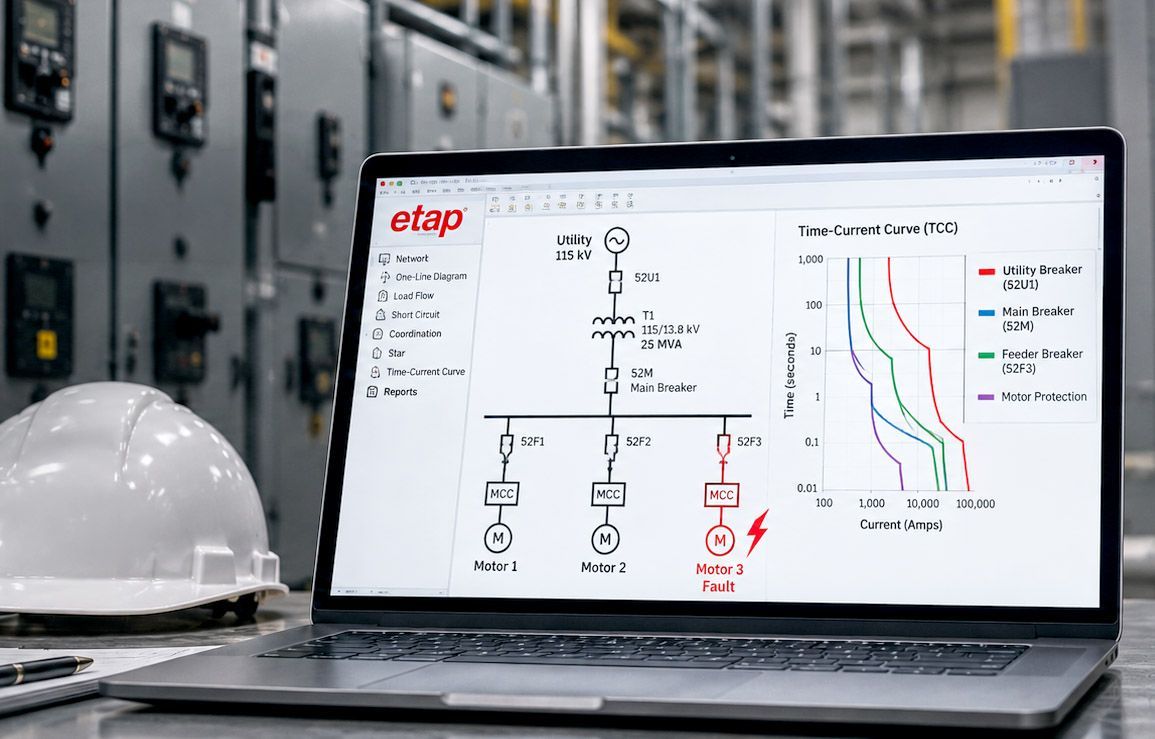
At Recore Electrical Contractors, early planning and design-build engineering help eliminate these challenges before crews arrive onsite. Through Building Information Modeling (BIM), integrated layouts, and field-ready planning, Recore helps clients move into construction with a clear path forward.
What Are Conduit Pathways and Equipment Integration?
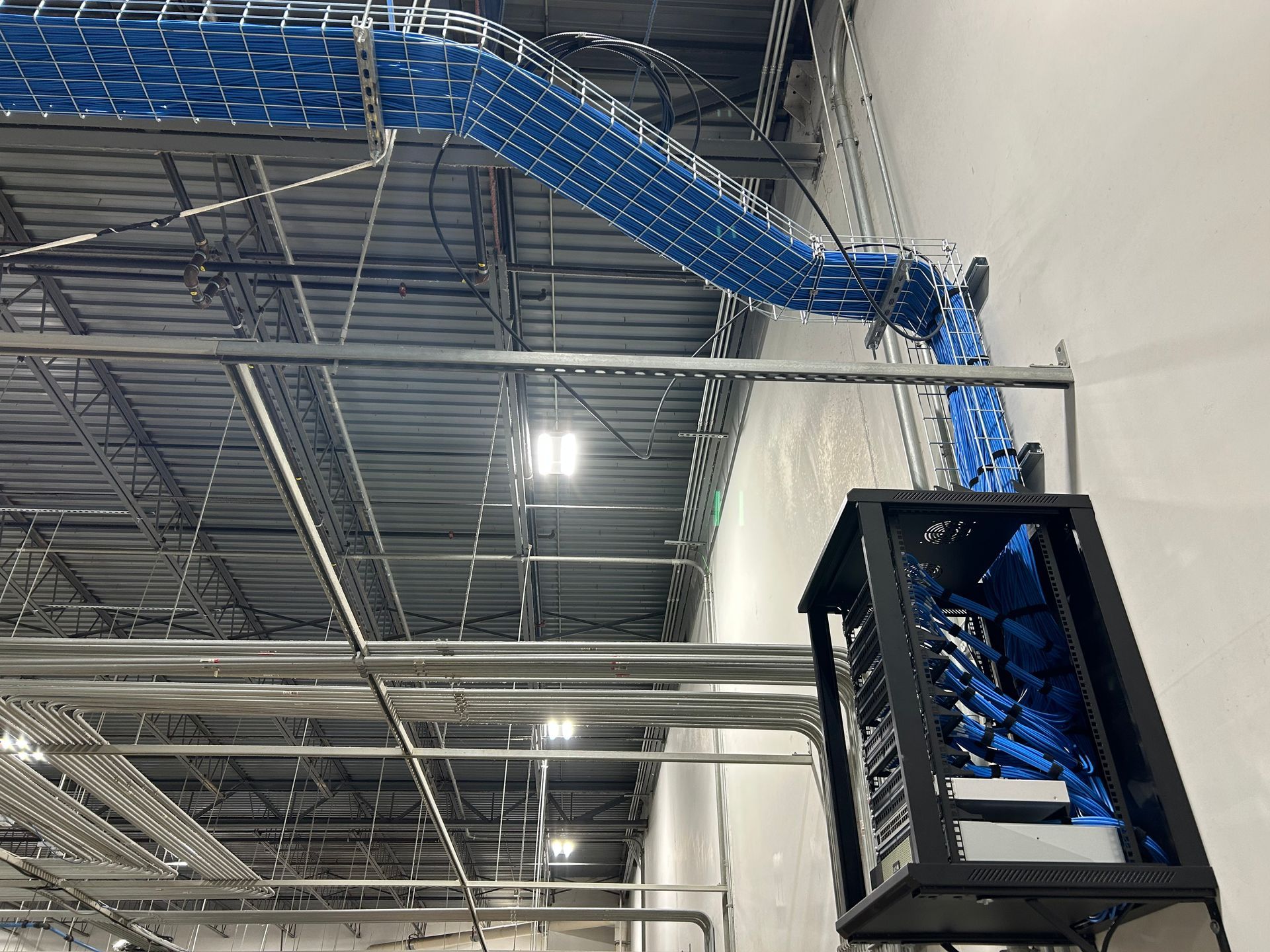
Conduit pathways are the planned routes used to carry electrical raceways throughout a facility. These pathways support power distribution, controls, communications, automation systems, and safety infrastructure.
Equipment integration refers to coordinating those pathways with the electrical equipment and facility systems they serve, including:
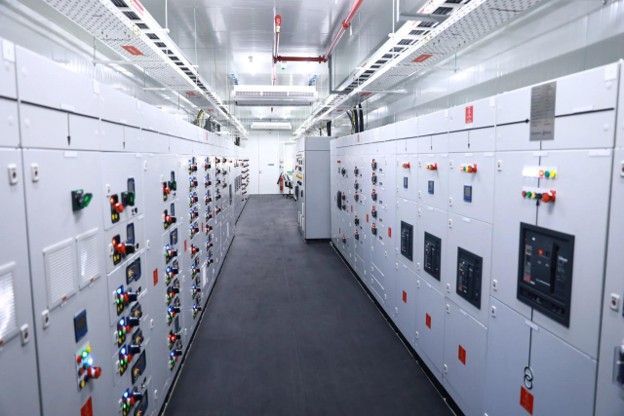
- Switchgear
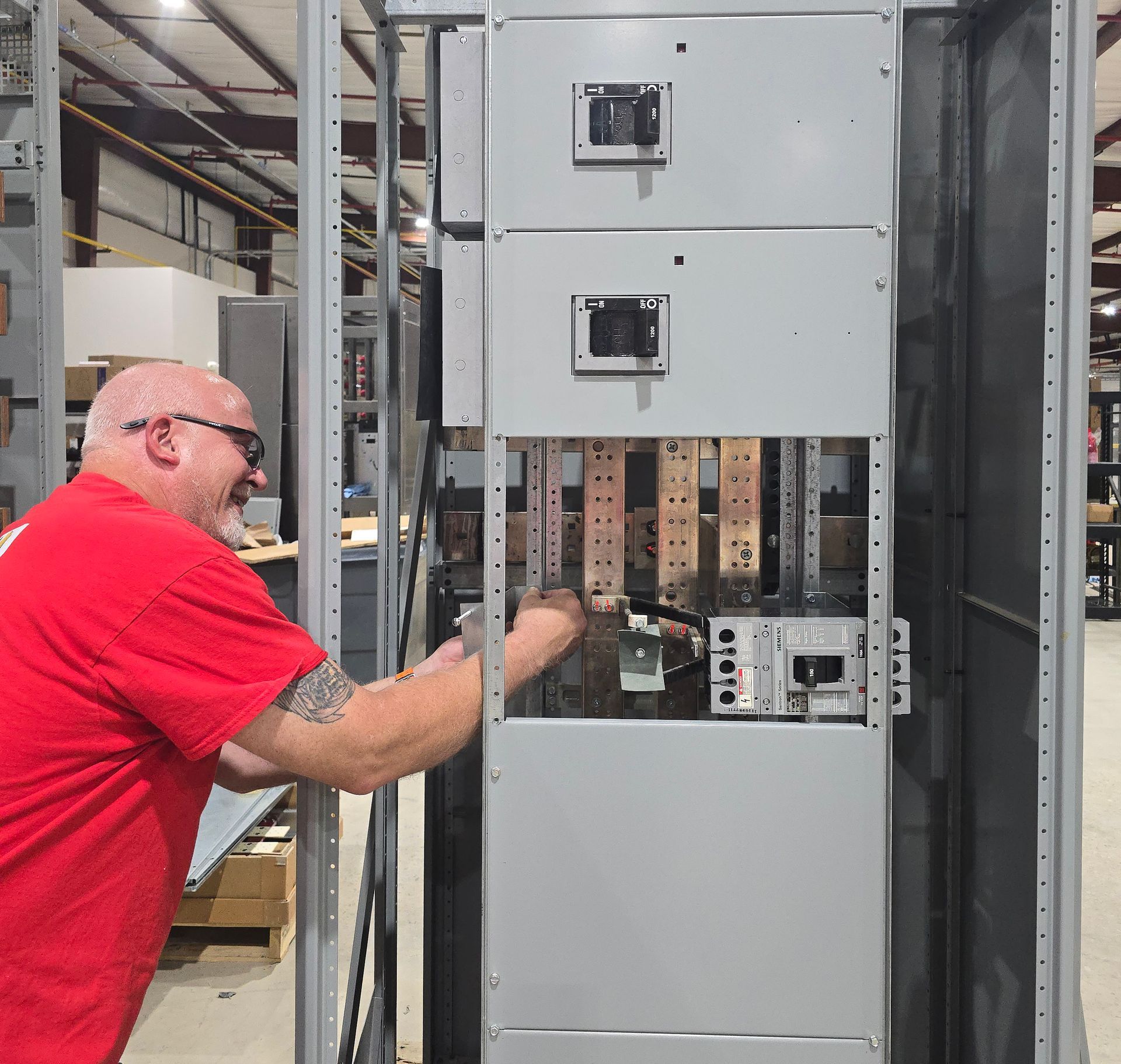
- Motor control centers
- Panels
- Utility transformers
- Process equipment
- Lighting controls
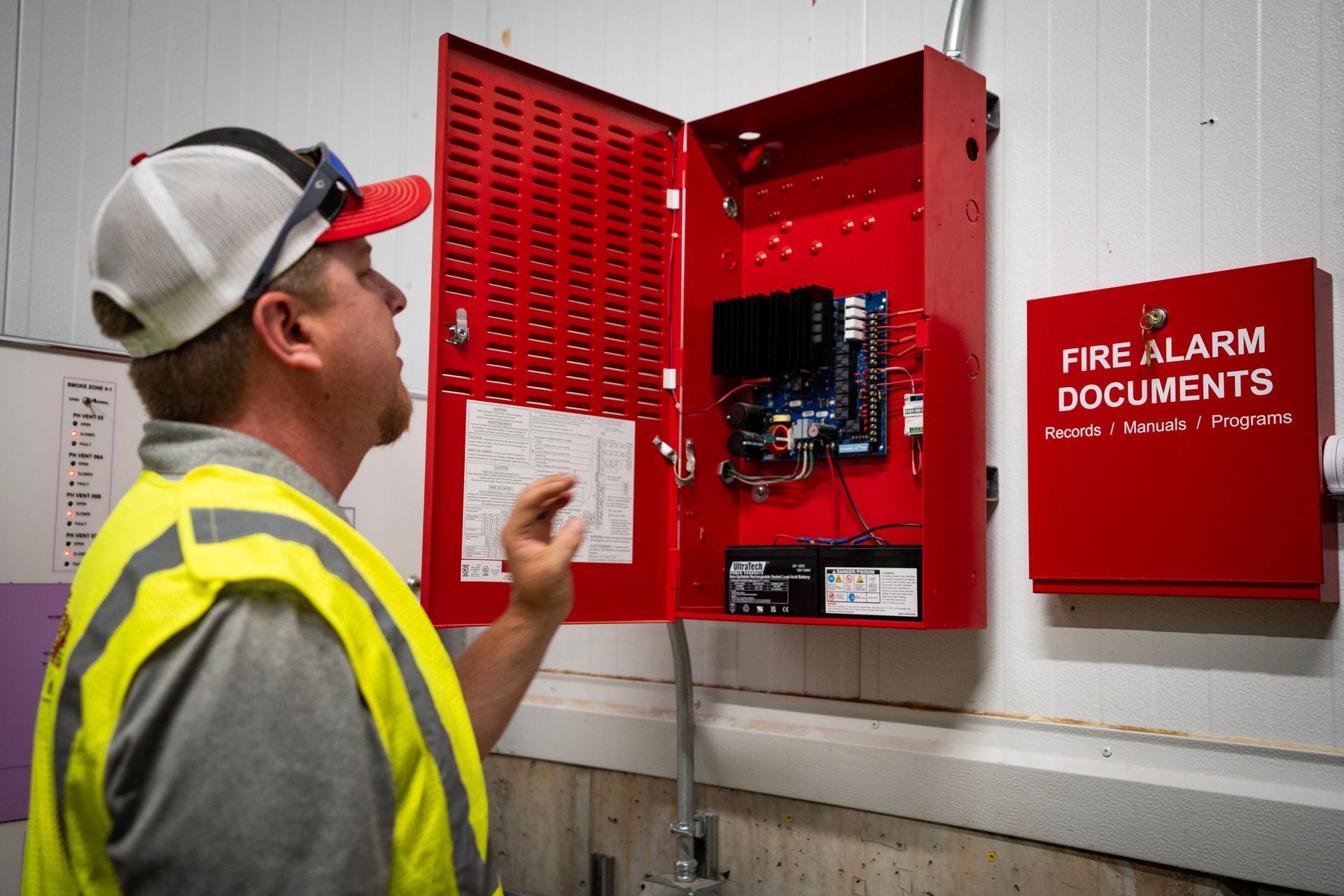
- Fire alarm systems
- Data and communication equipment
When these elements are planned independently, conflicts often occur. Conduit may run into structural steel, mechanical ductwork, process piping, or equipment clearances. Installation crews then have to adjust in the field, slowing schedules and increasing labor costs.
When conduit pathways and equipment integration are coordinated early, installation becomes faster, safer, and more predictable.
Why Coordination Matters Before Construction Begins
Electrical systems are deeply connected to every part of a facility. A conduit route may cross structural members, pass near HVAC systems, feed production equipment, or connect to outdoor utility infrastructure.
Without early coordination, even a minor pathway issue can create a ripple effect across multiple trades.
For example:
- A conduit bank conflicts with underground utilities
- Equipment pad locations reduce working clearance
- Cable tray routing blocks maintenance access
- Lighting layouts interfere with overhead systems
- Transformer placement creates distribution inefficiencies
According to the Occupational Safety and Health Administration, pre-job planning and hazard identification are critical to reducing jobsite risk and improving execution. Early coordination directly supports those goals by minimizing last-minute field improvisation.
How BIM Improves Conduit Pathways and Equipment Integration
Building Information Modeling allows project teams to create a digital model of the facility before construction starts. Instead of relying only on 2D drawings, BIM helps teams visualize how systems fit together in real space.
At Recore, this process can include coordination of:
- Cable tray routing across the facility
- Utility transformer placement and distribution
- Lighting layouts for operations and safety
- Conduit pathways and equipment integration
By resolving clashes digitally, teams create a cleaner construction sequence and provide installers with accurate information before materials are set.
This means field crews are not discovering conflicts while trying to meet deadlines. They are installing from a coordinated plan.
GPS Layout Tools Add Precision in the Field
Once conduit pathways and equipment locations are coordinated in the model, project data can be used with modern GPS or robotic layout tools.
This allows teams to mark exact locations for:
- Underground conduit runs
- Equipment pads
- Transformer bases
- Stub-ups
- Anchor points
- Embedded electrical components
Accurate layout before foundation work begins reduces the chance of misplaced infrastructure and helps keep schedules on track.
Instead of relying on manual measurements alone, crews can use model-generated coordinates to install with confidence.
Common Problems Recore Helps Prevent
1. Congested Utility Areas
Industrial facilities often have dense areas where electrical, mechanical, plumbing, and process systems converge. Without planning, these zones become bottlenecks.
Recore uses coordinated modeling to create workable pathways that maintain access and serviceability.
2. Equipment Clearance Issues
Electrical equipment requires code-compliant working space and future maintenance access. If surrounding systems are installed too close, expensive relocation may follow.
Early integration helps preserve proper clearance from the start.
3. Underground Rework
Incorrect conduit placement beneath slabs or pavement can be one of the most expensive mistakes to fix.
Digital layout and coordination reduce this risk significantly.
4. Schedule Delays
When trades discover conflicts onsite, progress slows while solutions are developed.
Resolving issues in design protects installation timelines.
Why Design-Build Adds Value
When electrical contractors are involved early, they can contribute real-world installation knowledge that improves the design.
That includes:
- Efficient conduit routing
- Smarter feeder distribution
- Better equipment accessibility
- Labor-friendly installation sequencing
- Reduced material waste
- Easier future expansion planning
Recore’s involvement during preconstruction allows owners and general contractors to benefit from both engineering insight and field execution experience.
Benefits for Owners and Facility Operators
Strong conduit pathways and equipment integration create long-term value beyond the initial build.
Benefits include:
- Easier maintenance access
- Improved system reliability
- Cleaner facility appearance
- Better room for upgrades
- Reduced downtime during repairs
- Safer operating environments
For mission-critical, industrial, and high-demand facilities, these outcomes can have a measurable impact on total lifecycle cost.
Why Recore Focuses on Early Coordination
At Recore Electrical Contractors, electrical construction starts with planning. The goal is not simply to react in the field. It is to remove obstacles before crews mobilize.
By combining BIM coordination, design-build engineering, and precise field layout, Recore helps clients gain:
- Faster installation timelines
- Lower rework exposure
- Better trade coordination
- Improved safety conditions
- Stronger project cost control
- Higher confidence during execution
That proactive approach becomes especially valuable on facilities where downtime, compressed schedules, or complex systems leave little room for mistakes.
Final Thoughts
Conduit pathways and equipment integration may not always be visible once a project is complete, but they play a major role in how smoothly construction progresses and how well a facility performs afterward.
Most construction problems do not start in the field. They start during coordination.
That is why early planning matters. When conduit systems, equipment locations, and surrounding trades are aligned before construction begins, projects move forward with fewer surprises and better results.
For owners and contractors looking to improve electrical project delivery, partnering with a team like Recore Electrical Contractors can make all the difference.