
Industrial Electrical Contracting for New Construction Projects
New construction is where electrical systems set the tone for everything that follows. If the infrastructure is installed cleanly, labeled correctly, tested thoroughly, and coordinated with the rest of the trades, the facility starts its life with fewer issues, fewer shutdowns, and fewer expensive change orders. If the electrical scope is rushed or poorly coordinated, the project can carry those problems into commissioning and operations.
At Recore, industrial electrical contracting for new construction projects is built around one core goal: deliver an electrical system that is safe, code compliant, and ready to support production from day one. That means planning early, coordinating tightly, prefabricating where it makes sense, and validating every critical circuit before turnover.
What Industrial Electrical Contracting Covers in New Construction
Industrial electrical contracting for new construction projects is more than pulling wire and setting gear. It typically includes:
- Temporary power planning and jobsite electrical safety
- Underground conduit, duct banks, and concrete encasement
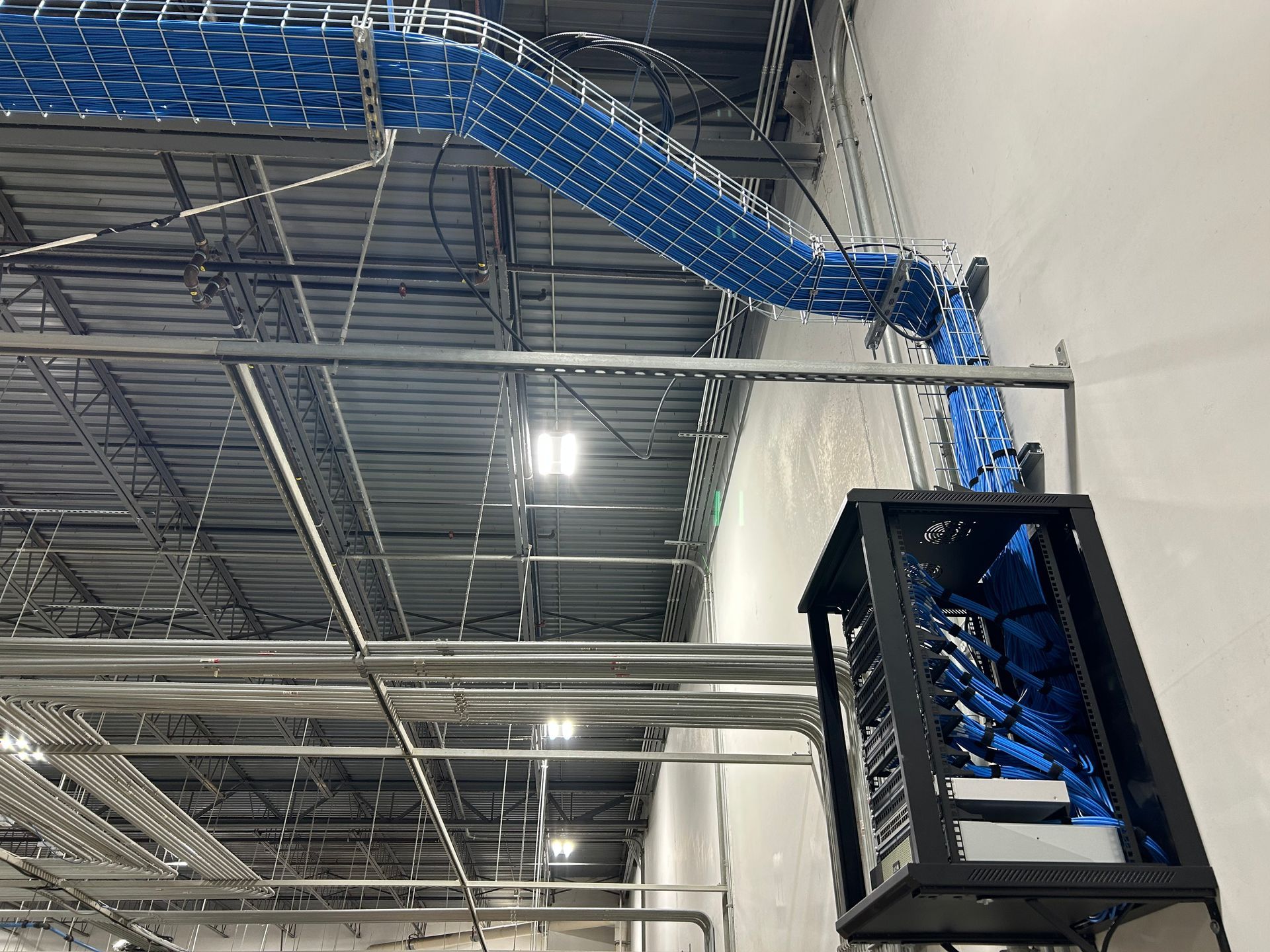
- Cable tray and support systems
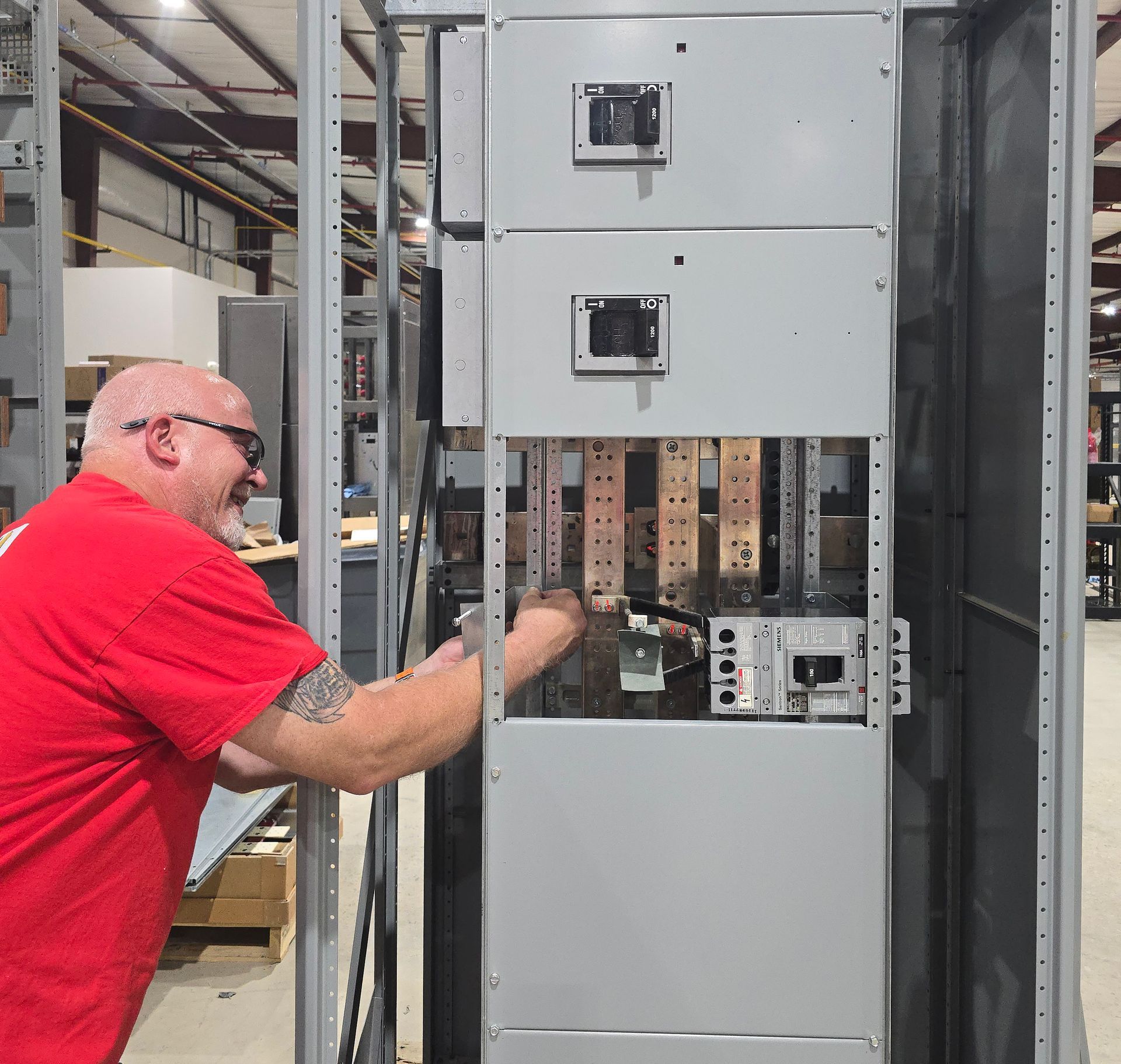
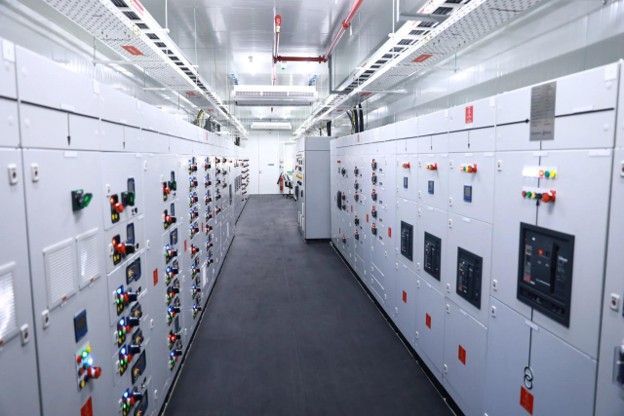
- Power distribution equipment installation (switchgear, switchboards, panelboards, MCCs, transformers)
- Branch power, receptacles, lighting, and equipment feeds
- Grounding and bonding systems
- Industrial controls support (terminations, I O wiring, control panels, field devices, network and fiber pathways when included)
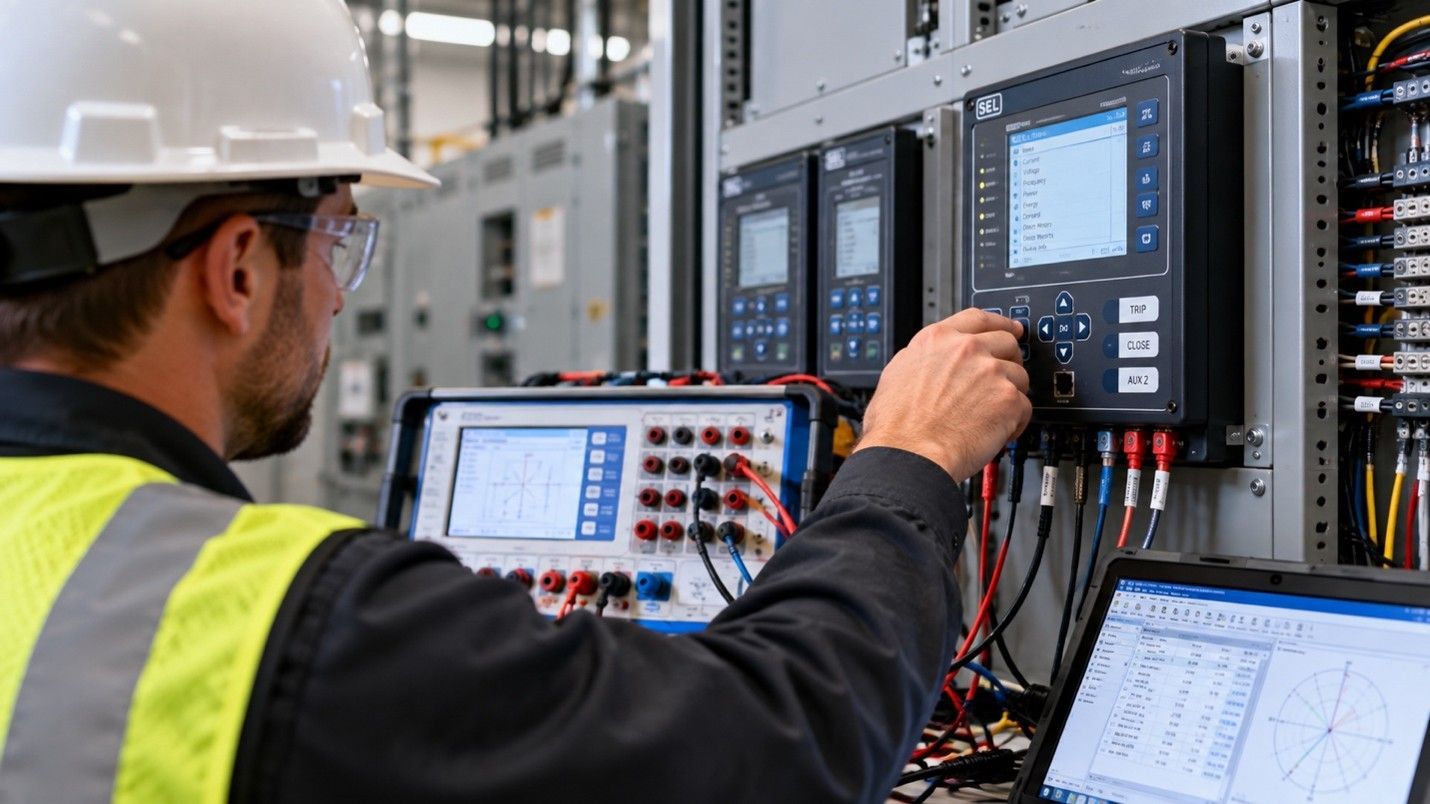
- Testing, troubleshooting, and startup support
- Documentation, labeling, and as built closeout
On industrial sites, these scopes intersect with mechanical, structural, civil, automation, and OEM equipment suppliers. The best outcomes happen when electrical is involved early, not when the conduit is already poured in place.
Preconstruction: Where New Construction Projects Are Won or Lost
In industrial electrical contracting for new construction projects, preconstruction is where schedule protection starts.
Recore typically focuses on:
Constructability review
- Identify routing conflicts before slab pours or steel is finalized
- Confirm gear access and code clearances
- Validate penetrations, sleeves, and housekeeping pad details
Bid leveling and scope clarity
- Separate what is included versus what belongs to OEMs or controls integrators
- Clarify who owns terminations, testing boundaries, and commissioning support
Safety planning
- Establish jobsite electrical safety practices and training expectations that align with construction standards, including OSHA requirements for construction electrical safety.
Schedule integration
- Tie electrical procurement lead times to the master schedule
- Build a release plan for long lead gear, cable, and specialized supports
This preconstruction effort reduces rework, change orders, and delays later when fixes are hardest and most expensive.
Code Compliance and Jobsite Electrical Safety
Safety and compliance are not “extra” in industrial electrical contracting for new construction projects. They are the baseline. OSHA’s construction electrical requirements address practical safeguards for employees on jobsites and cover key issues like wiring methods, grounding, and protection.
Recore’s approach centers on:
- Clear grounding and bonding practices that match the design intent and job conditions
- GFCI and temporary power protection strategies that reduce shock risk
- Proper identification, labeling, and protective measures as systems are energized
- Verification steps before any critical turn up or partial energization
NIOSH resources also reinforce jobsite awareness around wiring hazards and safe work practices, which is especially relevant during fast paced new construction phases when multiple trades are working side by side.
Prefabrication and Material Control: Build More, Wait Less
One of the biggest drivers of predictable schedule performance is material readiness. Industrial electrical contracting for new construction projects can bottleneck quickly if cable, supports, or gear arrives late or incomplete.
Recore emphasizes:
Material control
- Submittal tracking tied to procurement lead times
- Staging plans for large gear deliveries and rigging windows
- Kitting strategies for repetitive installs (supports, strut, hardware, fittings)
Prefabrication where it helps
- Pre built supports and assemblies for consistent quality
- Pre terminated cable assemblies when appropriate and allowed
- Skid and modular integration support when equipment arrives as packaged systems
The goal is fewer surprises in the field and fewer hours lost to waiting.
Installation: Quality Looks Like Repeatability
Field execution is where industrial electrical contracting for new construction projects becomes real. Recore focuses on repeatable installation standards so crews can move fast without sacrificing quality.
Key priorities include:
- Conduit routing that respects access, maintenance, and future expansion
- Cable tray installation with clean transitions, proper supports, and pull planning
- Consistent torque practices and documented terminations on critical equipment
- Segregation of power and control pathways when required
- Grounding continuity verification across structures, gear, and systems
This is also where trade coordination matters most. The cleanest jobs are the ones where electrical, mechanical, and structural sequencing are planned together, not fought out in the field.
Testing, Commissioning Support, and Turnover
Industrial electrical contracting for new construction projects does not end when the last conduit is installed. Owners care most about whether systems start, run, and stay stable.
Recore supports turnover by emphasizing:
- Point to point verification for critical circuits and control terminations (when in scope)
- Insulation resistance testing and continuity checks as required
- Ground testing strategies appropriate for the facility and design
- Start up support that aligns with vendor requirements and commissioning schedules
- Documentation packages that include labels, panel schedules, test records, and as builts
A disciplined closeout reduces troubleshooting time and gives maintenance teams confidence right away.
Common Risks in New Construction and How Recore Helps Avoid Them
Industrial electrical contracting for new construction projects often runs into the same issues across industries:
Risk: Long lead electrical gear delays
- Mitigation: early release schedules, alternates planning, and procurement tracking
Risk: Underground conflicts and missed sleeves
- Mitigation: pre pour reviews, field layout verification, coordination with civil
Risk: Incomplete terminations and poor labeling
- Mitigation: standardized checklists, QC hold points, consistent labeling methods
Risk: Commissioning chaos
- Mitigation: staged energization plans, clear test boundaries, organized turnover documentation
New construction moves fast. The best strategy is building quality into the workflow, not trying to inspect it in at the end.
A Practical Checklist for Owners and GCs
If you are hiring for industrial electrical contracting for new construction projects, here is what to ask early:
- Who owns procurement tracking for long lead items, and how is it reported?
- What is the plan for underground coordination and pour reviews?
- How will grounding and bonding be verified and documented?
- What are the QC checkpoints for terminations, labeling, and equipment settings?
- What testing is included, and what will be delivered at turnover?
- How will electrical scope coordinate with controls and equipment vendors?
Clear answers upfront usually indicate a contractor that runs disciplined jobs.
Why Recore for Industrial Electrical Contracting for New Construction Projects
Recore approaches new construction with a process built for industrial environments: high expectations, tight schedules, and complex coordination. We prioritize safety aligned with construction electrical requirements, disciplined planning, and execution standards that produce repeatable results.
If you want an electrical partner that treats installation, testing, and turnover as one connected system, Recore is ready to support your next build.