
Thermography Report for an Industrial Facility: Tool for Reliability and Safety
Industrial facilities depend on complex electrical and mechanical systems to maintain production, safety, and uptime. From switchgear and motor control centers to rotating equipment and power distribution panels, even minor failures can escalate into costly downtime or safety incidents. One of the most effective ways to detect hidden issues before they become major problems is through a thermography report for an industrial facility.
Infrared thermography provides a noninvasive method to identify abnormal heat patterns that indicate developing faults. When performed correctly and documented in a detailed thermography report, this inspection becomes a powerful decision-making tool for maintenance teams, facility managers, and safety leaders.
This article explains what a thermography report for an industrial facility includes, why it matters, how it supports predictive maintenance programs, and how Recore delivers reliable thermographic inspections for industrial environments.
What Is a Thermography Report for an Industrial Facility
A thermography report for an industrial facility is a documented analysis created using infrared imaging technology. The inspection captures thermal images of electrical and mechanical assets while they are energized and operating under normal load conditions. These images reveal temperature variations that are invisible to the naked eye.
Abnormal heat signatures often indicate issues such as loose electrical connections, overloaded circuits, insulation breakdown, bearing wear, or mechanical friction. The thermography report records these findings, compares them to baseline conditions, and provides actionable recommendations.
Rather than reacting to failures after they occur, thermography allows facilities to identify problems early, schedule repairs proactively, and reduce risk.
Why Thermography Is Critical in Industrial Environments
Industrial facilities operate in demanding conditions. Electrical loads fluctuate, equipment runs continuously, and even small inefficiencies can compound over time. Without proper monitoring, issues can remain undetected until a failure forces an unplanned shutdown.
A thermography report for an industrial facility supports several critical objectives:
- Improving electrical system reliability
- Reducing unplanned downtime
- Enhancing worker safety
- Supporting compliance with safety standards
- Extending equipment life
According to the Occupational Safety and Health Administration, electrical hazards remain a leading cause of workplace injuries in industrial settings. Proactive inspection programs, including infrared thermography, play an important role in identifying unsafe conditions before incidents occur. OSHA guidance on electrical safety and hazard prevention can be found through OSHA.gov.
Key Components of a High Quality Thermography Report
Not all thermography reports are created equal. A meaningful thermography report for an industrial facility should go beyond thermal images and provide context, prioritization, and clear recommendations.
Asset Identification and Inspection Scope
The report should clearly identify each inspected asset, including panel names, equipment IDs, voltage levels, and locations within the facility. This clarity allows maintenance teams to quickly locate and address findings.
A well defined inspection scope also documents which systems were included, such as:
- Switchgear and substations
- Motor control centers
- Power distribution panels
- Transformers
- Bus ducts
- Mechanical drives and bearings
Thermal Images and Visual References
Each finding should include both an infrared image and a corresponding visual image. This pairing helps teams understand exactly where the issue is located and how it appears in real world conditions.
Temperature readings should be clearly labeled, including reference points and ambient conditions at the time of inspection.
Severity Classification and Risk Assessment
A professional thermography report for an industrial facility categorizes findings by severity. This allows facility managers to prioritize repairs based on risk rather than reacting to every anomaly equally.
Common severity levels include:
- Low priority monitoring items
- Moderate issues requiring scheduled maintenance
- High risk conditions needing immediate corrective action
This structure supports informed decision making and efficient allocation of maintenance resources.
Root Cause Indicators and Recommendations
The most valuable reports explain what the heat pattern likely indicates. Rather than simply stating that a component is hot, the report should identify probable causes such as loose terminations, phase imbalance, overload, or mechanical wear.
Clear recommendations should follow, including suggested corrective actions and timelines.
Thermography and Predictive Maintenance Programs
A thermography report for an industrial facility is most effective when integrated into a broader predictive maintenance strategy. Predictive maintenance focuses on condition based monitoring rather than fixed interval repairs.
By performing regular thermographic inspections, facilities can:
- Track temperature trends over time
- Establish baseline operating conditions
- Identify degradation before failure
- Schedule maintenance during planned outages
The U.S. Department of Energy recognizes infrared thermography as a valuable predictive maintenance tool for industrial facilities. DOE guidance highlights its role in improving energy efficiency and equipment reliability.
Electrical Systems That Benefit Most from Thermography
While thermography can be applied to many systems, electrical infrastructure is often the highest priority in industrial facilities.
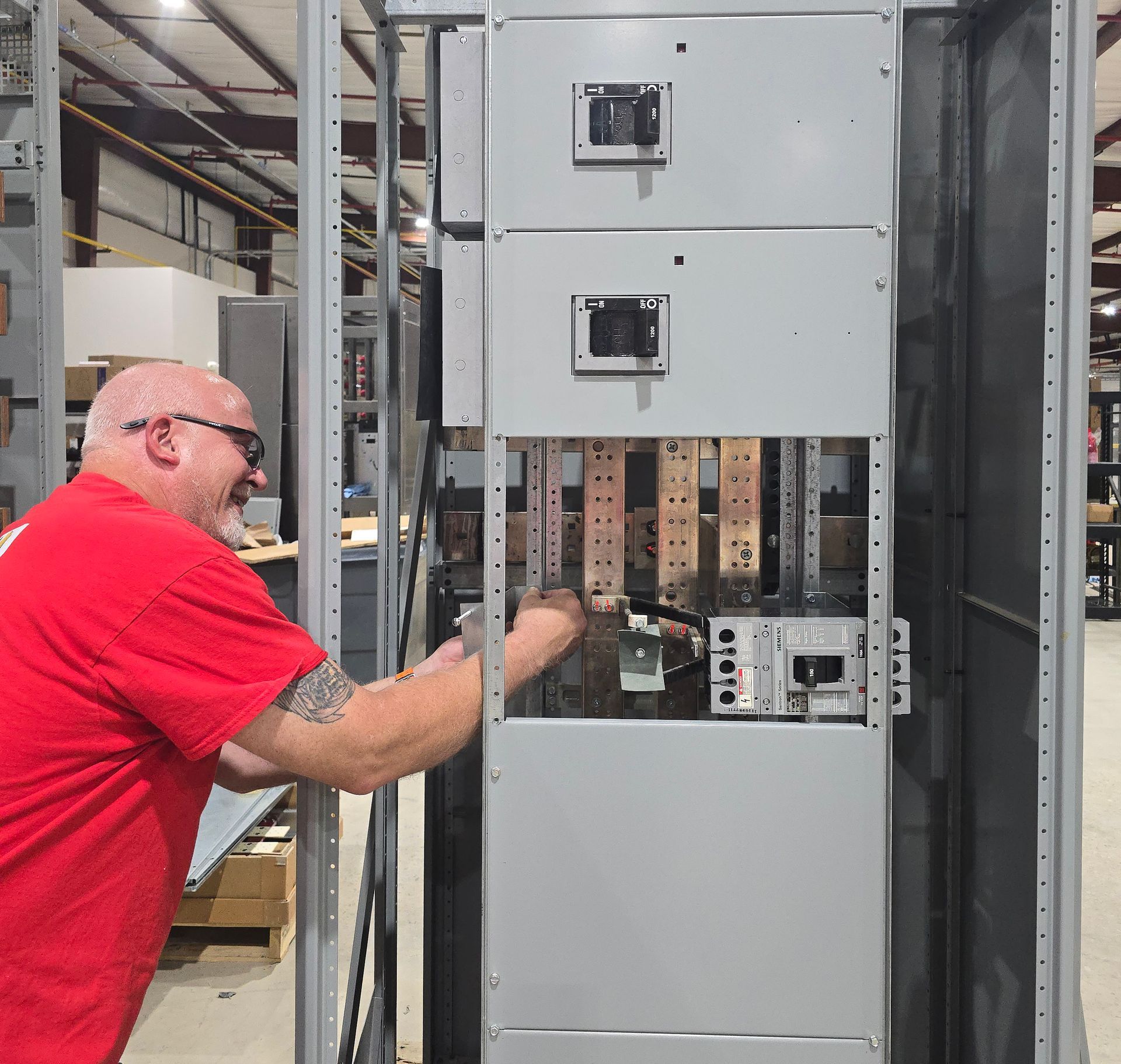
Switchgear and Power Distribution
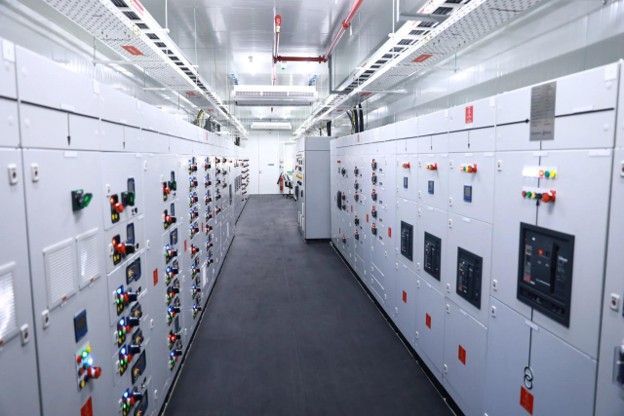
Loose connections, corrosion, and load imbalances commonly develop within switchgear and distribution panels. These conditions generate excess heat that thermography can detect long before visible damage appears.
A thermography report for an industrial facility helps identify these risks without shutting down critical systems.
Motor Control Centers and Drives
Motor control centers house critical components that regulate equipment operation. Thermal imaging reveals overheating contactors, failing breakers, and unbalanced loads that can disrupt production.
Transformers
Transformers operate continuously under heavy load. Hot spots may indicate insulation breakdown, connection issues, or internal faults. Early detection through thermography reduces the risk of catastrophic transformer failure.
Mechanical Equipment and Rotating Assets
Thermography is also valuable for mechanical systems. Bearings, couplings, belts, and gearboxes generate heat when friction increases due to wear or misalignment.
A thermography report for an industrial facility can flag these conditions early, allowing repairs to be scheduled before equipment failure causes production losses.
Safety and Compliance Benefits
Beyond reliability, thermography supports workplace safety and compliance efforts. Overheated electrical components increase the risk of arc flash incidents and fires.
Routine thermographic inspections demonstrate a proactive approach to hazard identification. This aligns with OSHA recommendations for hazard prevention and supports safer working environments for maintenance personnel.
How Recore Delivers Thermography Reports for Industrial Facilities
Recore provides thermography services tailored to the unique demands of industrial environments. Our team understands the operational constraints of manufacturing plants, processing facilities, and critical infrastructure.
When Recore performs a thermography report for an industrial facility, our approach emphasizes accuracy, clarity, and actionability.
Experienced Technicians and Industrial Expertise
Our technicians are trained to operate in live industrial environments while maintaining strict safety protocols. We understand electrical systems, load conditions, and the operational realities of industrial facilities.
Clear and Actionable Reporting
Recore delivers reports that maintenance teams can use immediately. Findings are clearly documented, prioritized, and supported with visual evidence and practical recommendations.
Integration with Maintenance Planning
We work alongside facility teams to align thermography results with maintenance schedules and reliability goals. The goal is not just identifying issues, but supporting long term operational performance.
Long Term Value of Thermography Inspections
A thermography report for an industrial facility delivers value far beyond a single inspection. Over time, consistent reporting builds a thermal history of equipment performance.
This history helps facilities:
- Reduce emergency repairs
- Improve budget forecasting
- Extend asset life
- Improve overall plant reliability
When combined with electrical testing, preventive maintenance, and skilled installation services, thermography becomes a foundational element of a comprehensive reliability strategy.
Conclusion
A thermography report for an industrial facility is a powerful tool for improving safety, reliability, and operational efficiency. By identifying developing issues before they escalate, thermography helps facilities avoid unplanned downtime and reduce risk.
Recore brings industrial expertise, disciplined execution, and clear reporting to every thermographic inspection. Our focus is helping facilities operate safely, efficiently, and with confidence in the performance of their critical systems.