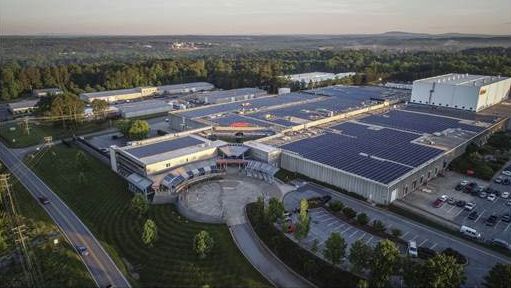

Industrial Automation Full Process System Design and Integration
Industrial facilities are modernizing their operations at a rapid pace. As production demands increase and equipment becomes more advanced, owners depend on seamless control, reliable data, and consistent performance. This is exactly where Industrial Automation Full Process System Design and Integration becomes essential.
Instead of treating instrumentation, controls, and electrical work as disconnected scopes, full system integration brings every component together into one unified architecture. Recore helps clients achieve this by designing automation systems around the process itself, then connecting devices, controllers, networks, and safety functions into a cohesive and resilient platform.
This article explores what Industrial Automation Full Process System Design and Integration involves, how it strengthens plant performance, and why Recore’s approach delivers long lasting value.
Understanding Industrial Automation in Modern Facilities
Industrial automation covers far more than installing a PLC or updating a control panel. It includes every technology and workflow that measures, monitors, and controls a process. This includes:
- Field instrumentation such as sensors, transmitters, and actuators
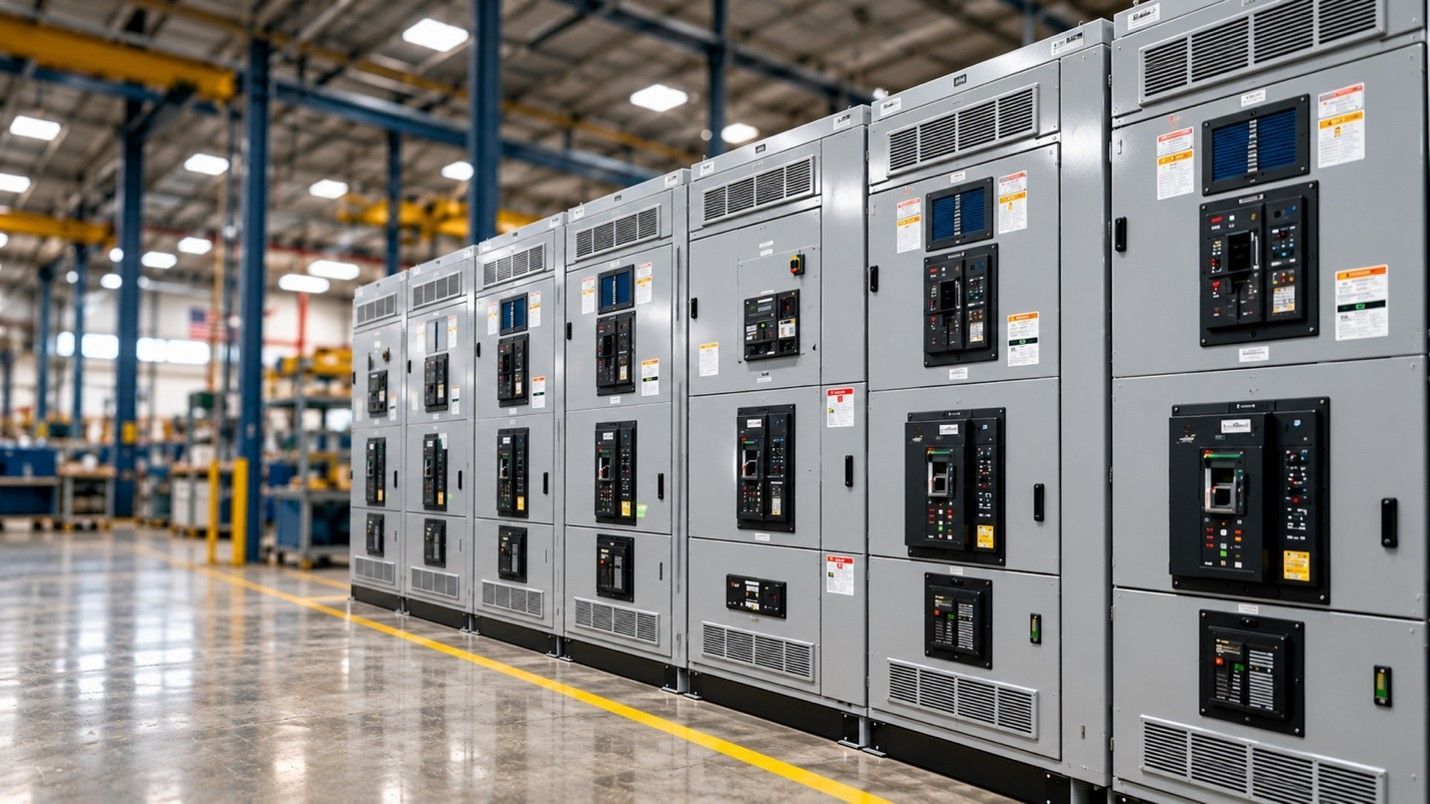
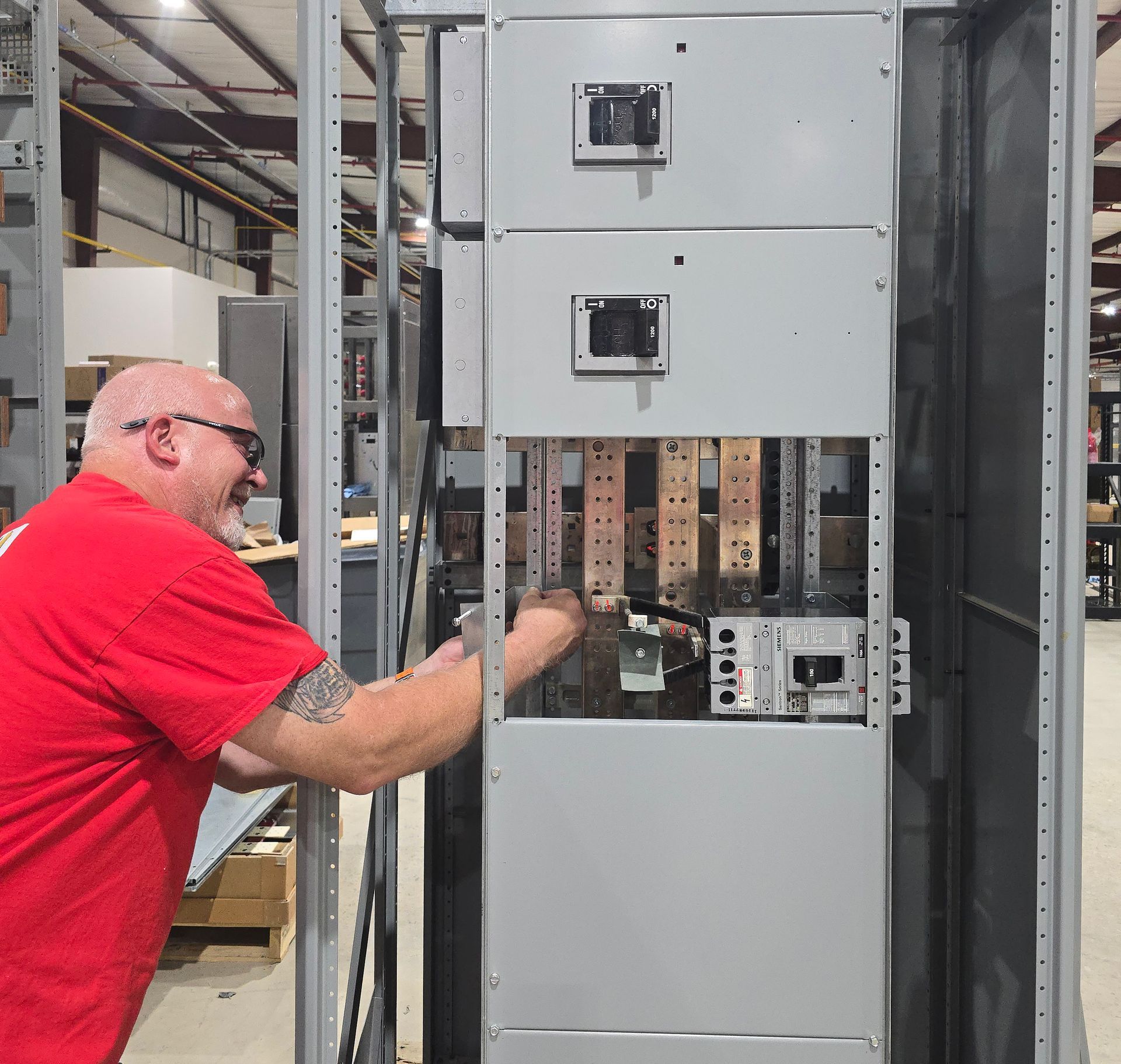
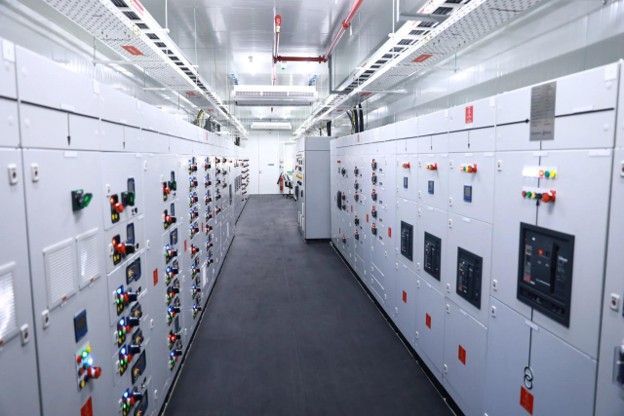
- Local control panels, MCC integration, and electrical systems
- PLC, DCS, HMI, and SCADA platforms
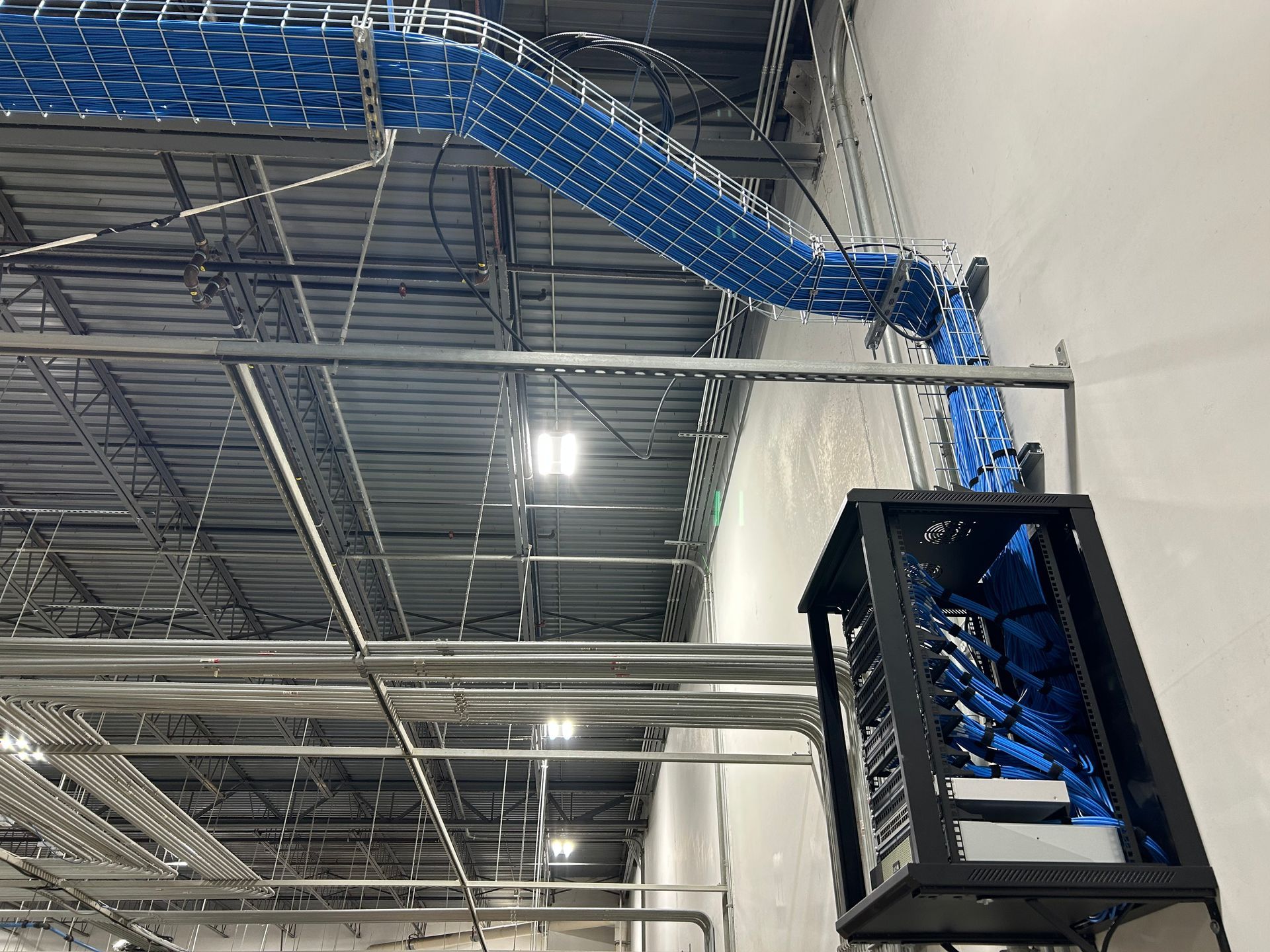
- Industrial networking and data communication
- Centralized and distributed control architectures
- Operator visualization, alarming, and data acquisition
Automation organizations such as ISA define automation as the coordinated use of measurement, control, and information technologies that improve safety, reliability, and operational efficiency. This aligns closely with how Recore approaches every project. A system is only as strong as its integration across the entire process.
Why Full Process System Design Matters
Every successful automation system starts with a deep understanding of the process itself. Before hardware selections are made, Recore works closely with operations teams to understand:
- Critical variables that influence product quality, throughput, and safety
- Constraints that impact reliability or create bottlenecks
- Existing manual tasks that could benefit from automation
- The operator and maintenance workflows that will interact with the system
The National Institute of Standards and Technology (NIST) emphasizes that strong automation implementation begins with modeling process inputs, outputs, and control requirements. This foundational view turns automation into a process driven solution rather than a hardware driven purchase.
Recore supports this early phase with:
- Control narratives
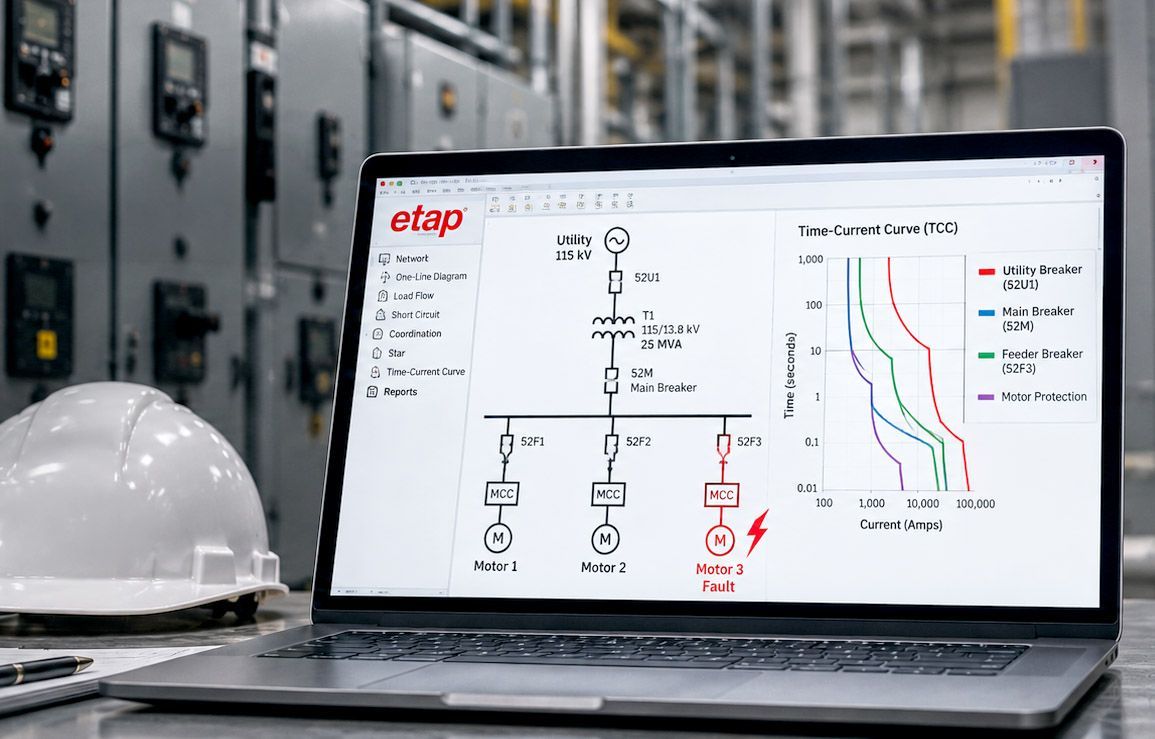
- Process and instrumentation diagrams
- Input and output lists
- Control panel concepts
- Network architecture planning
Clear front end engineering ensures that Industrial Automation Full Process System Design and Integration supports real operational needs and plant constraints.
Connecting the System Through Integration
Once the design phase is complete, true system integration begins. Industrial automation depends on linking field devices, control logic, communications networks, and operator interfaces into one dependable system. NIST guidance on industrial control systems notes that these systems require both reliability and security while supporting real time control.
Recore integrates systems across three major layers.
1. Device Level Integration
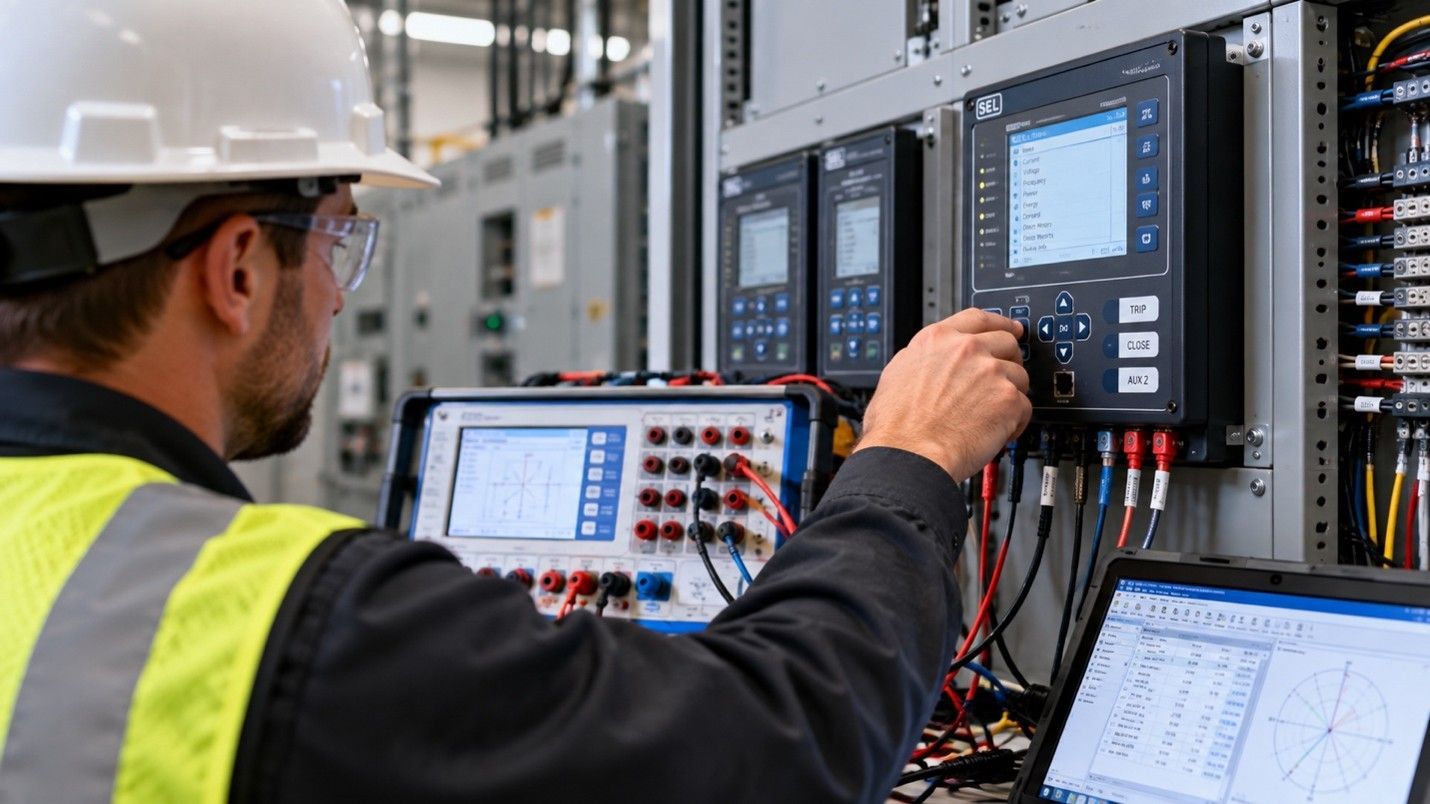
- Instrumentation selection, installation, and calibration
- Signal coordination for analog and discrete devices
- Documentation of ranges, scaling, alarms, and setpoints
2. Controller and HMI Integration
- PLC and DCS programming built from approved control narratives
- User friendly HMI screens for intuitive operation
- Structured alarm management to prevent alarm overload
- Repeatable programming structure for easier troubleshooting
3. Network and System Integration
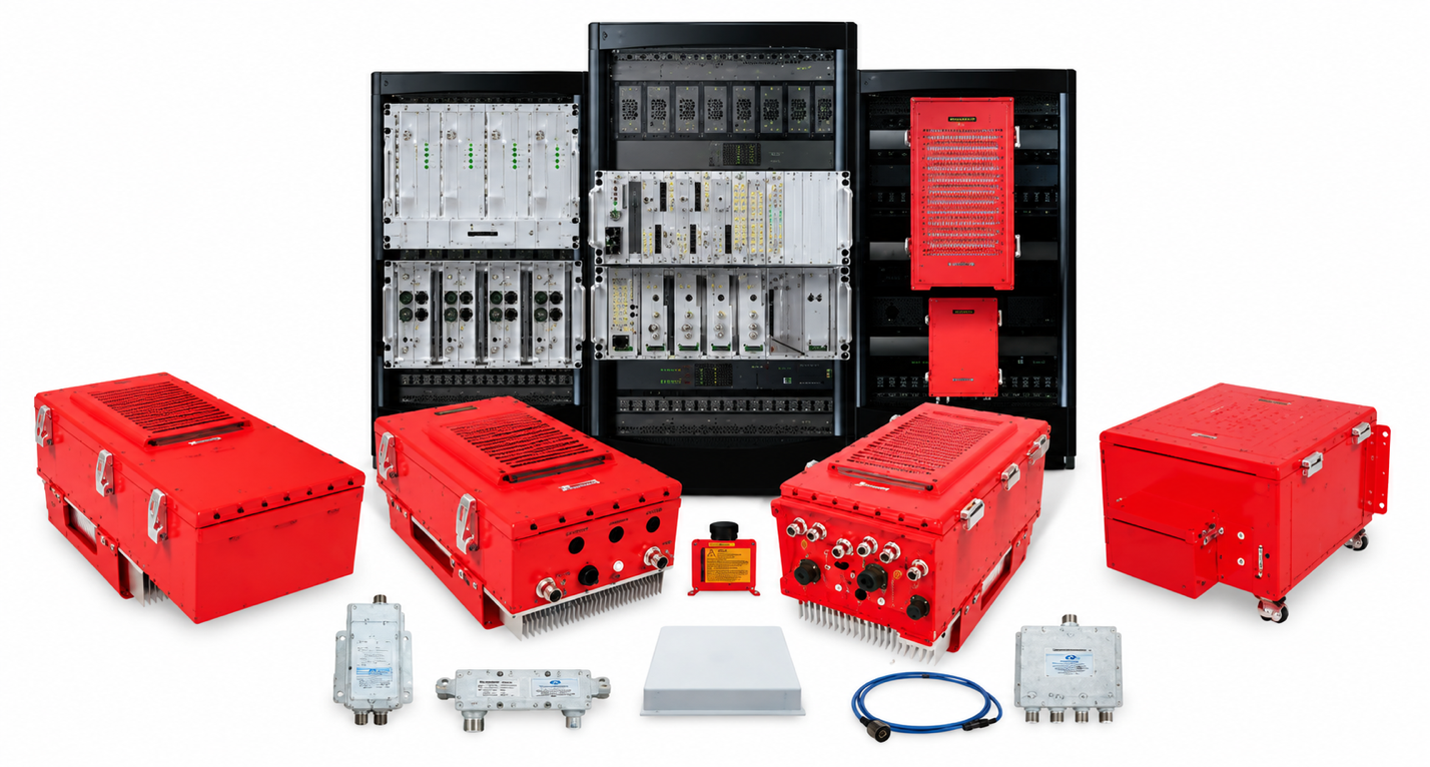
- Secure and segmented industrial networks
- Reliable data communication between field devices, controllers, and enterprise systems
- Integration with historians, maintenance software, and plant analytics
- System wide backups, version control, and documentation
When these layers operate as one, owners benefit from faster startups, fewer production interruptions, and better long term maintainability.
Safety Built into Every Automation System
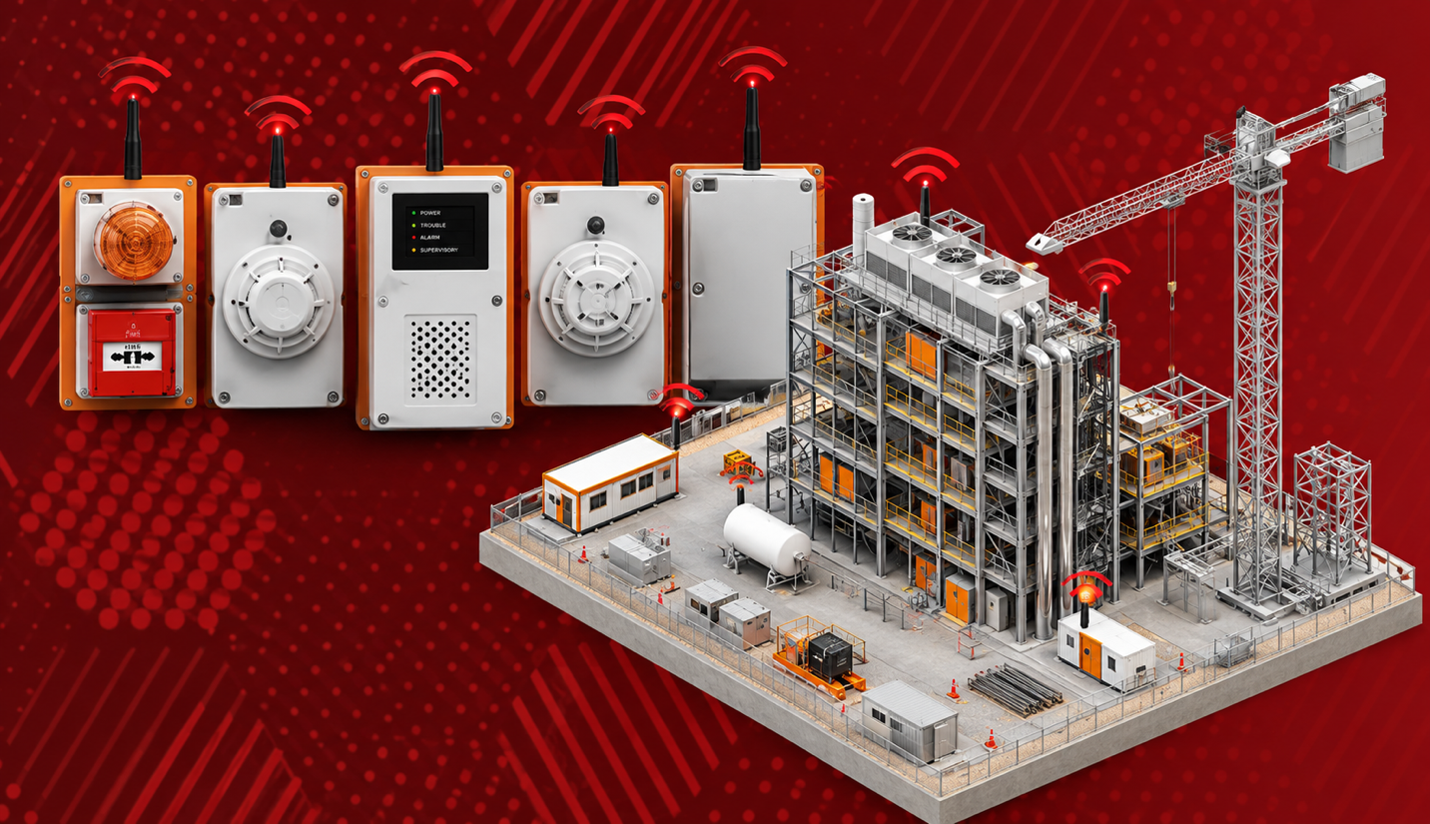
Automation is a core part of any safety strategy. OSHA highlights that hazard prevention must be built into process design and controls, not added after installation. Recore incorporates safety considerations early by:
- Identifying hazards and failure modes during initial design
- Using engineering controls consistent with the hierarchy of controls recommended by NIOSH and OSHA
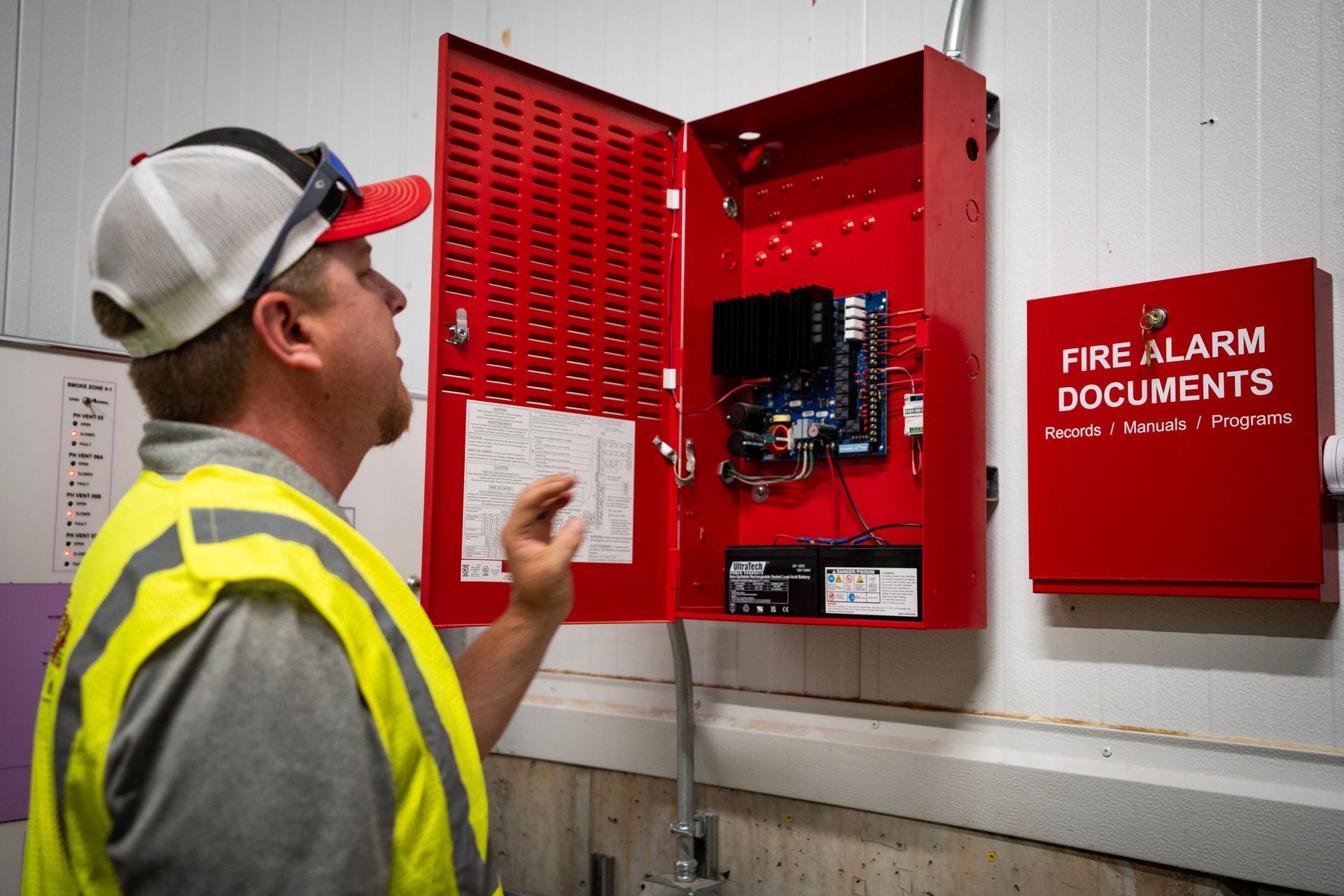
- Coordinating emergency stop circuits, interlocks, and safe state behaviors
- Providing integration points for safety instrumented systems when required
Process safety and automation safety must work together. Recore’s design philosophy supports this by ensuring the automation system responds predictably and safely under every operating condition.
Cybersecurity for Modern Control Systems
As industrial automation systems become more connected, cybersecurity becomes a core part of system design. NIST guidance on securing industrial control systems stresses the importance of access control, network segmentation, and secure communication.
Recore supports clients through:
- Segmented control networks and restricted remote access
- Coordinated cybersecurity strategies with the client’s IT team
- Documented hardware, firmware, and network configurations
- Backup and recovery planning for automation platforms
Cybersecurity is built into the Industrial Automation Full Process System Design and Integration process so that security and uptime can coexist.
Recore’s Life Cycle Approach to Automation Projects
Recore supports industrial automation projects from concept to commissioning and long term support.
Front End Definition
Collaborative workshops with engineering, operations, and maintenance teams help build a shared understanding of objectives.
Detailed Design and Programming
Instrumentation specifications, panel designs, network diagrams, and structured PLC and HMI programming are developed with clarity and consistency.
Testing and Commissioning
- Factory testing of panels and software
- On site loop checks and functional testing
- Startup support for smooth integration into production
Training and Documentation
Recore trains operators and maintenance teams and provides detailed documentation, backups, and drawings that support long term reliability.
Ongoing Support
As systems evolve, Recore assists with upgrades, new line integration, control strategy improvements, and optimization work.
Turning Automation into a Long-Term Asset
Industrial Automation Full Process System Design and Integration allow facilities to run safer, faster, and more consistently. When automation supports the real needs of the process, it becomes a long-term operational asset rather than a one-time installation.
Recore’s approach blends process understanding, safety integration, recognized best practices, and disciplined system architecture. The result is an automation system built for real world performance with the flexibility to adapt as production demands change.
Industrial facilities looking to expand capacity, replace legacy controls, or connect multiple systems under one architecture can rely on Recore to deliver a unified automation strategy that supports growth and operational reliability.
If you want to discuss your next automation or integration project, Recore is ready to help you build a system designed around your process and engineered for long term performance.