
Energizing, Testing, and Power Data Reporting
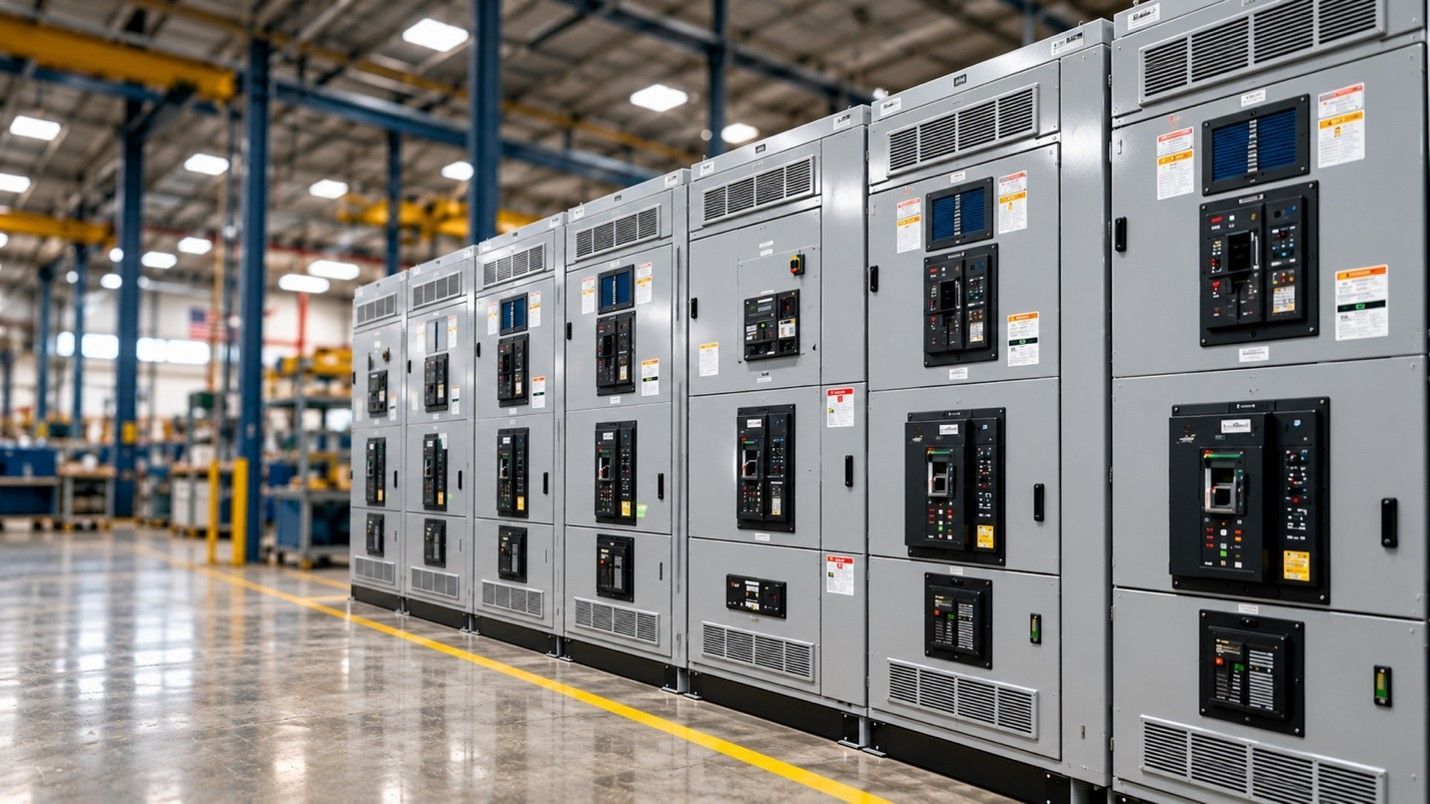
In industrial and commercial electrical contracting, the work is not truly finished when conduit is strapped, terminations are torqued, and gear doors close. The moment that matters most is when the system transitions from “installed” to “operational.” That transition lives in three connected phases: Energizing, Testing, and Power Data Reporting.
For owners and general contractors, those phases reduce uncertainty. For operations teams, they provide confidence that equipment will run safely and predictably. For an electrical contractor like Recore, they are how you protect schedules, prevent rework, and document that the system performs the way it was designed to perform.
This blog breaks down what Energizing, Testing, and Power Data Reporting involves in the field, why it matters, and how a disciplined approach turns commissioning from a stressful milestone into a controlled handoff.
Why Energizing Is a Process, Not a Switch Flip
People often talk about energization like it is a single moment. In reality, energization is a controlled sequence of checks, communications, and verifications that culminate in applying power. The goal is simple: eliminate unknowns before power is introduced.
A good energization plan starts with clarity on:
- Scope boundaries: what is being energized, what is not, and what is temporarily isolated
- Roles: who is responsible for operating breakers, who is observing, who is recording readings, and who is communicating with other trades
- Readiness: confirmation that upstream and downstream systems are ready for power
- Safety controls: lockout/tagout status, arc flash boundaries, PPE, and energized work requirements where applicable
Recore treats energization like a milestone with a checklist, not a calendar date. That checklist aligns field teams, the GC, and the owner so everyone knows what “ready” means and what “stop work” triggers look like.
OSHA’s electrical safety requirements emphasize that reenergizing must be done in a defined order and requires testing and visual inspections by a qualified person to verify temporary grounds, tools, jumpers, and other devices are removed before circuits are energized. That is not paperwork for paperwork’s sake. It is a guardrail that prevents injuries, equipment damage, and schedule setbacks.
Testing That Supports Initial Energization and Long-Term Reliability
Electrical testing is often framed as “commissioning tests.” A better way to think about it is this: testing is how you confirm that installation quality and equipment condition match the design intent before the system is put into service.
That includes the obvious items like insulation resistance and continuity checks, but it also includes the details that cause the most downtime later:
- Improper phasing or rotation
- Loose lugs that heat up under load
- Grounding and bonding issues
- Control wiring mistakes that create nuisance trips
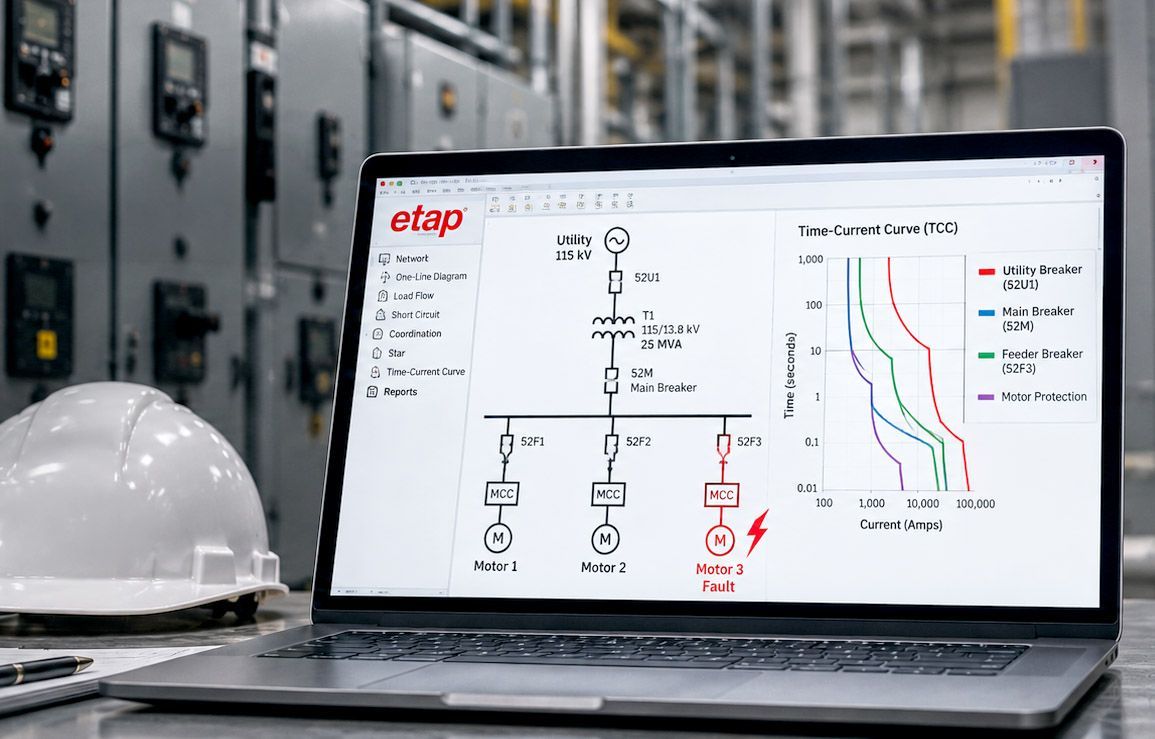
- Protection settings that do not coordinate with the system
Many owners and engineers lean on established industry testing frameworks. One widely referenced standard is the NETA Acceptance Testing Specifications, which was developed to assess the suitability for initial energization of electrical power equipment and systems and to specify field tests and inspections that verify performance.
Recore’s approach is practical: execute testing that matches the project risk profile and the equipment criticality. If a facility cannot tolerate downtime, testing and documentation need to be more rigorous. If the system supports critical processes, verifying protective device coordination and recording baseline readings becomes non-negotiable.
The Field Reality: Testing Is Also a Schedule Strategy
When schedules compress, testing is often the first thing people try to “trim.” That is how projects get stuck in a loop of nuisance trips, hot spots, and unexplained alarms during startup.
A disciplined Energizing, Testing, and Power Data Reporting workflow supports schedule in three ways:
- It catches defects when fixes are cheap
A loose termination found during a controlled test is a quick correction. A loose termination discovered after startup becomes downtime, heat damage, and emergency labor. - It reduces trade conflicts during turnover
When clear energization boundaries are established, other trades stop guessing what is live and what is not. - It creates a clean acceptance path
Owners want confidence. GCs want signoff. Testing records move the conversation from opinions to evidence.
Power Data Reporting: Proof That the System Runs the Way It Should
Once equipment is energized, the next question is: does it operate correctly under real conditions?
That is where Power Data Reporting becomes valuable. Reporting can be as simple as a startup log of voltages and currents, or as comprehensive as a power quality baseline captured by metering and monitoring equipment.
Common data points include:
- Voltage, current, and frequency at key distribution points
- Real power (kW) and apparent power (kVA)
- Power factor trends
- Demand peaks during startup sequences
- Harmonic distortion indicators where sensitive loads exist
- Thermal observations of terminations and bus under load (where included in scope)
This is not just information for engineers. It helps owners and facility teams operate the building. Baseline power data gives them a reference point to compare against future performance, future expansions, and troubleshooting events.
Power quality expectations are also becoming more important as facilities add variable frequency drives, EV infrastructure, UPS systems, and distributed energy resources. NREL notes that key power quality issues include topics like harmonics, overvoltage, flicker, and rapid voltage change, and discusses how requirements and testing expectations get defined.
For many owners, the most useful deliverable is a clear “day one” snapshot:
- What the system looked like immediately after energization
- What protective devices were set to
- What loads were online
- What the measured performance was at that time
That snapshot becomes the benchmark for diagnosing future issues quickly.
What a Good Energization and Reporting Package Looks Like
Owners rarely want a thousand pages of raw data with no narrative. They want a package that tells the story of what happened and what was verified.
A strong closeout package typically includes:
- Energization plan and signoffs
- One line references and equipment identification
- Test forms and summaries organized by system
- Torque logs and termination verification records where required
- Protection settings documentation
- Metering screenshots or exports for key power data points
- A short executive summary of results, exceptions, and resolutions
The difference is organization. When documentation is structured, the project team can answer questions immediately:
- What did we test?
- What passed?
- What was corrected?
- What is the baseline performance?
That is exactly what Energizing, Testing, and Power Data Reporting should accomplish.
How Recore Supports Smoother Turnovers
Recore’s job is not only to install electrical systems. It is to hand over an operating system with evidence behind it.
That means:
- Planning energization sequences early so startup does not become a scramble
- Coordinating with other trades so there are no surprises at turnover
- Executing testing that aligns with equipment criticality and project requirements
- Capturing power data that helps owners operate and maintain the facility
When these steps are done well, energization becomes predictable, testing becomes a tool for preventing downtime, and reporting becomes a value add instead of a binder that no one opens.
Conclusion
Energization is where electrical scope becomes real operations. Testing is how you confirm the system is safe, correct, and ready for service. Power data reporting is the proof that performance matches expectations.
For projects that demand reliability, safety, and clean handoffs, Energizing, Testing, and Power Data Reporting is not extra. It is the path to fewer startup issues, faster acceptance, and a smoother transition into long term facility operation.