
Electrical Contracting for Food Process: Clean, Compliant, High Uptime Facilities
Food processing plants do not run like typical commercial buildings. They operate as production environments where hygiene, uptime, and repeatability matter every hour of every shift. Electrical infrastructure in these facilities has to support washdown areas, temperature controlled rooms, high speed packaging lines, pump skids, and control networks that connect everything from utilities to critical equipment.
That is why Electrical Contracting for Food Process is its own discipline. It combines industrial power distribution, motor control, automation readiness, and safety practices with a deep understanding of how food facilities are built, operated, cleaned, and audited. When electrical work is approached like standard construction, the plant can end up with moisture issues, difficult maintenance access, downtime during sanitation, and higher risk during equipment servicing. When it is approached with a food manufacturing mindset, the plant gains safer operations, cleaner installations, faster troubleshooting, and smoother inspections.
Recore supports food processing projects by treating electrical work as part of the production system, not just the building.
What Makes Electrical Contracting for Food Process Different
Food process environments have electrical challenges that are not optional. They are structural.
1) Moisture, sanitation, and corrosion exposure
Many food plants use daily or frequent cleaning cycles, including high pressure washdown, foaming, chemical sanitizers, and hot water. That environment is hard on conduit systems, enclosures, devices, and terminations. Material selection and installation details matter because a small mistake becomes a chronic problem.
Electrical Contracting for Food Process often requires:
- Enclosures and devices that match the area classification, including damp or wet environments
- Routing strategies that avoid water traps and reduce corrosion points
- Thoughtful penetrations through hygienic wall systems
- Identification and labeling that remains readable after repeated sanitation cycles
2) High uptime expectations and fast changeovers
Food operations are measured by throughput. Electrical systems have to support fast line changeovers, scheduled maintenance windows, and quick recovery when something fails. That means the electrical design and installation should prioritize access, documentation, and serviceability.
Practical decisions that support uptime include:
- Logical panel layouts and clear labeling
- Segmented power distribution so one issue does not cascade across multiple lines
- Spare capacity and space planning for future equipment adds
- Consistent standards for devices, wire tags, and control wiring
3) Safety requirements during equipment servicing
Food processing facilities have a high concentration of motors, conveyors, heaters, pumps, and packaging machines. The servicing and maintenance of that equipment puts technicians in direct contact with hazardous energy. OSHA’s lockout and tagout standard outlines requirements for controlling hazardous energy during servicing and maintenance activities.
In real terms, Electrical Contracting for Food Process needs to support safe isolation and verification with:
- Proper disconnecting means for equipment and skids
- Clear lockout points and standardized labeling
- Logical grouping of circuits so isolation is not confusing under pressure
- Coordination with operations so shutdowns are planned and controlled
4) Regulatory pressure and audit readiness
Food processing plants must operate under food safety rules that push facilities toward cleaner, more controlled environments. While FDA regulations focus on food safety and preventive controls, the built environment and utilities directly affect the ability to maintain sanitary conditions and manage risks.
Electrical installations that are clean, sealed, maintainable, and well documented help facilities stay audit ready. Sloppy penetrations, unsealed conduit entries, exposed junctions, and missing documentation can create recurring inspection pain.
Core Electrical Scopes in Food Processing Facilities
Electrical Contracting for Food Process typically spans the full lifecycle from rough in to startup support. Recore’s approach is built around the scopes that matter most to production teams and maintenance teams.
Power distribution that supports production loads
Food processing facilities often require robust power distribution for process equipment, packaging, refrigeration support, compressed air, and utility systems. A strong electrical contracting plan includes:
- Service and distribution planning aligned to equipment schedules
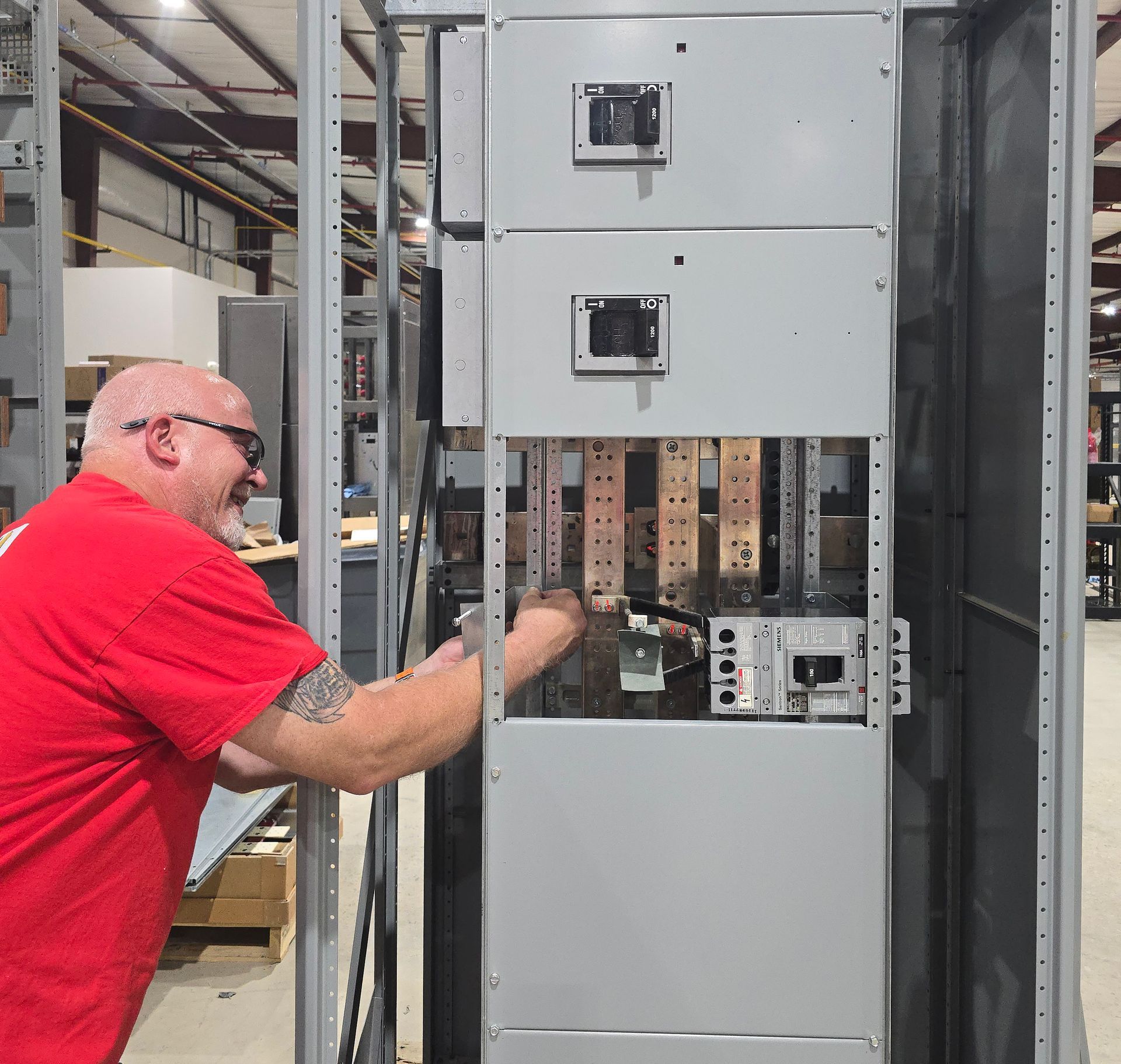
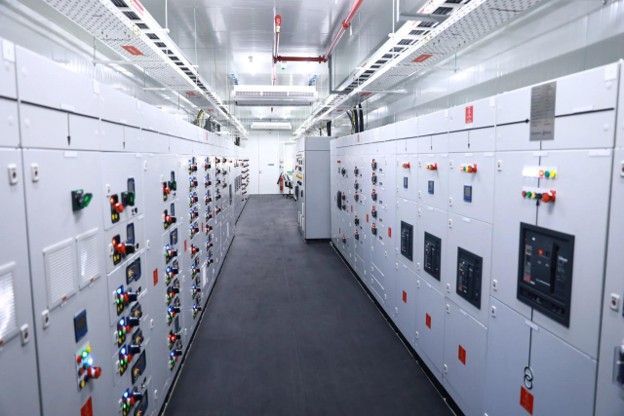
- Switchgear and panel installations with clear labeling and access paths
- Grounding and bonding practices suitable for industrial environments
- Coordination with mechanical and process skids so power arrives when equipment arrives
Motor control and equipment connectivity
Motors are everywhere in food plants: pumps, agitators, conveyors, blowers, and mixers. Electrical Contracting for Food Process must deliver:
- Motor control centers or panel based control systems
- VFD readiness where speed control is needed
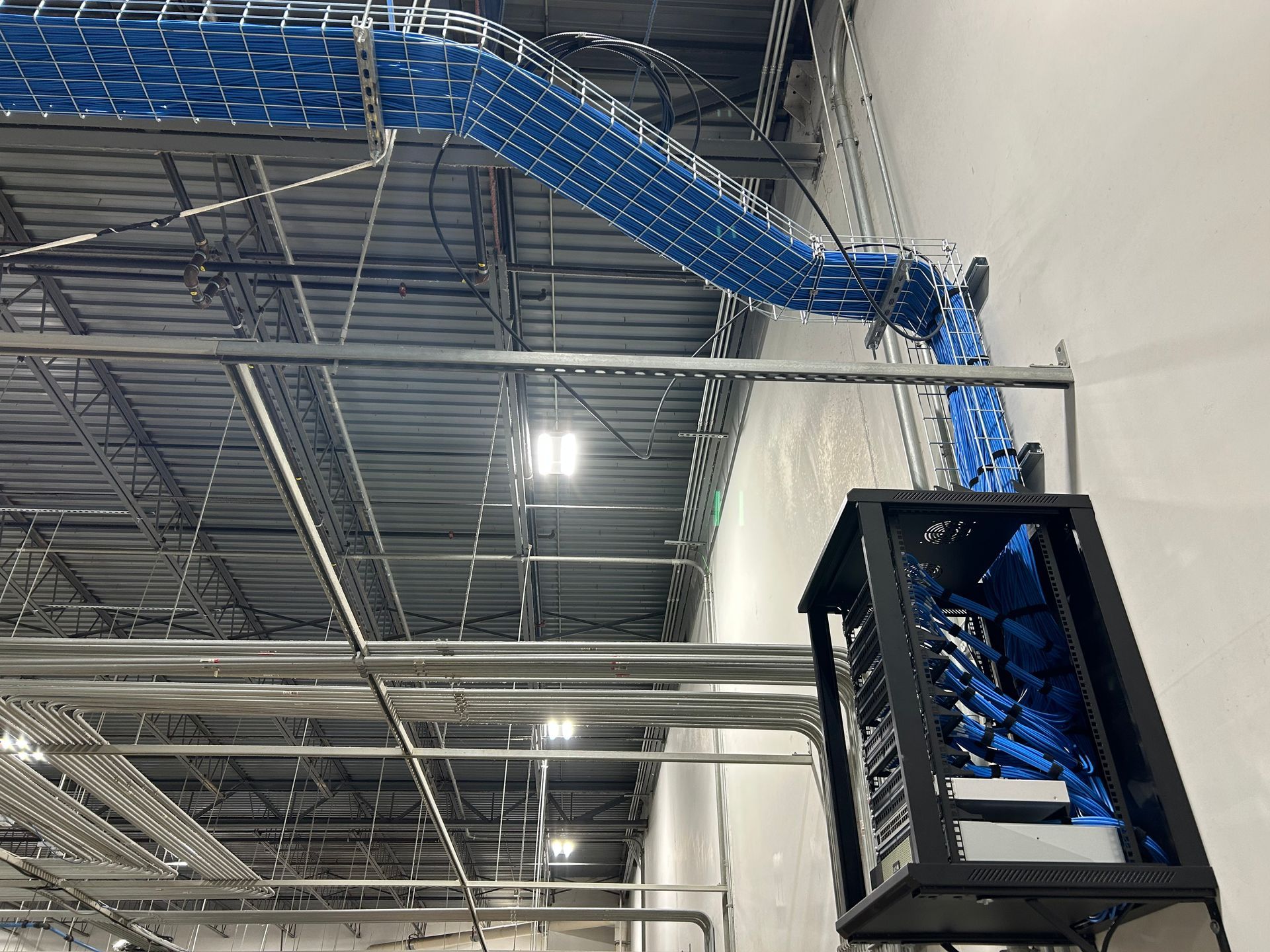
- Proper cable management and terminations for high vibration areas
- Documentation that helps maintenance teams troubleshoot quickly
Automation and controls readiness
Even when automation scope is delivered by another party, electrical work must be compatible with controls integration. That includes:
- Reliable power for PLC panels, instruments, and network equipment
- Clean routing between sensors, panels, and skids
- Separation of power and signal pathways where appropriate
- Consistent wire labeling aligned to as built
Lighting, devices, and support systems
Facilities often include production floors, ingredient rooms, packaging areas, warehouses, and support spaces. Electrical Contracting for Food Process in these areas must balance safety, durability, and cleanability. The right device selection and mounting height can reduce damage from washdown and material handling equipment.
Project Example: Wright Foods in Troy, North Carolina
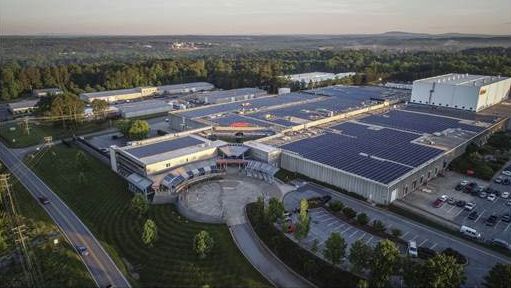
WRIGHT FOODS: State-of-the-art aseptic food processing company
Aseptic processing environments raise the bar. They depend on stable utilities, consistent equipment performance, and disciplined facility controls. For Electrical Contracting for Food Process in an aseptic context, small details have outsized impact. Installation quality affects moisture resistance, reliability, and maintainability, which ultimately affects production continuity.
On a project like Wright Foods, the electrical scope is not just powering a building. It is enabling a controlled production environment. That includes planning distribution and equipment power around process flows, coordinating closely with mechanical and equipment vendors, and building an installation that remains reliable through the realities of sanitation, shift work, and fast troubleshooting needs.
Common Pitfalls Recore Helps Food Facilities Avoid
Electrical problems in food facilities often come from predictable gaps during construction. Electrical Contracting for Food Process succeeds when those gaps are addressed early.
Pitfall: Treating wet areas like normal interiors
Damp and wet exposure changes everything. Device selection, sealing practices, and routing strategy have to match the environment. When they do not, facilities see repeated device failures, nuisance trips, and corrosion.
Pitfall: Poor coordination with equipment schedules
Food processing projects are equipment driven. If electrical rough in, conduit routing, and panel planning are not aligned with vendor equipment dates, crews end up reworking installs or delaying startup.
Pitfall: Documentation that does not match reality
Plants live and die by as built, panel schedules, and labeled field devices. When documentation is incomplete, downtime extends because troubleshooting becomes detective work.
Pitfall: Limited maintenance access
If panels, disconnects, and junction points are installed without maintenance workflows in mind, routine work becomes slower and riskier. Good Electrical Contracting for Food Process considers maintenance access as a design requirement, not a nice to have.
What Owners and Plant Teams Should Look For in a Food Process Electrical Contractor
If you are evaluating Electrical Contracting for Food Process for a new facility or expansion, look for a contractor who can speak to production realities, not just construction milestones.
Key signs include:
- Experience in industrial environments with washdown and sanitation cycles
- Strong standards for labeling, documentation, and closeout
- Ability to coordinate with process equipment and mechanical trades
- A safety culture aligned with hazardous energy control practices
- A build quality mindset that supports long term reliability
Why Electrical Contracting for Food Process Is a Long-Term Investment
Food processing plants are built to produce for decades. Electrical systems that are installed cleanly, protected properly, and documented well reduce downtime and reduce maintenance burden year after year. They also support smoother audits and safer servicing, which protects teams and keeps production stable.
Recore approaches Electrical Contracting for Food Process with that long term view. Whether supporting a new aseptic facility like Wright Foods in Troy, North Carolina or upgrading electrical infrastructure in an active plant, the goal is the same: build electrical systems that help the facility run cleaner, safer, and more reliably from day one through every production cycle that follows.