
Complete Electrical Engineering Design Services: Concept to Commissioning
When an industrial facility, commercial building, or critical infrastructure project succeeds, it is rarely because one discipline did everything right in isolation. Success comes from coordination. Electrical power, controls, lighting, life safety interfaces, communications pathways, and equipment layouts have to work together from day one, not after concrete is poured and walls are up.
That is why Complete Electrical Engineering Design Services matter. For owners and project teams, the goal is not just a stamped drawing set. The goal is a design that can actually be built efficiently, operated safely, expanded intelligently, and maintained without constant surprises.
At Recore, our engineers offer the design of complete facilities from the ground up. We use a comprehensive approach that brings together design and construction to create a seamless and efficient experience for our clients. This method supports greater collaboration between engineers, architects, and builders, resulting in a more cost effective and streamlined project. We can provide full design for complete facilities and processes, including medium voltage power distribution up to 25kV.
Below is how Complete Electrical Engineering Design Services support better outcomes, what is included, and why an integrated approach reduces risk while improving speed and clarity.
What “Complete Electrical Engineering Design Services” Really Includes
Many projects start with a simple need: “We need power.” But power is only one piece of an electrical scope. Complete Electrical Engineering Design Services cover the full electrical lifecycle, including planning, calculations, equipment selection, coordination with other disciplines, constructability planning, and support through startup.
A complete electrical design package typically includes:
- Load studies and power planning: demand forecasting, equipment schedules, diversity factors, future expansion allowance.
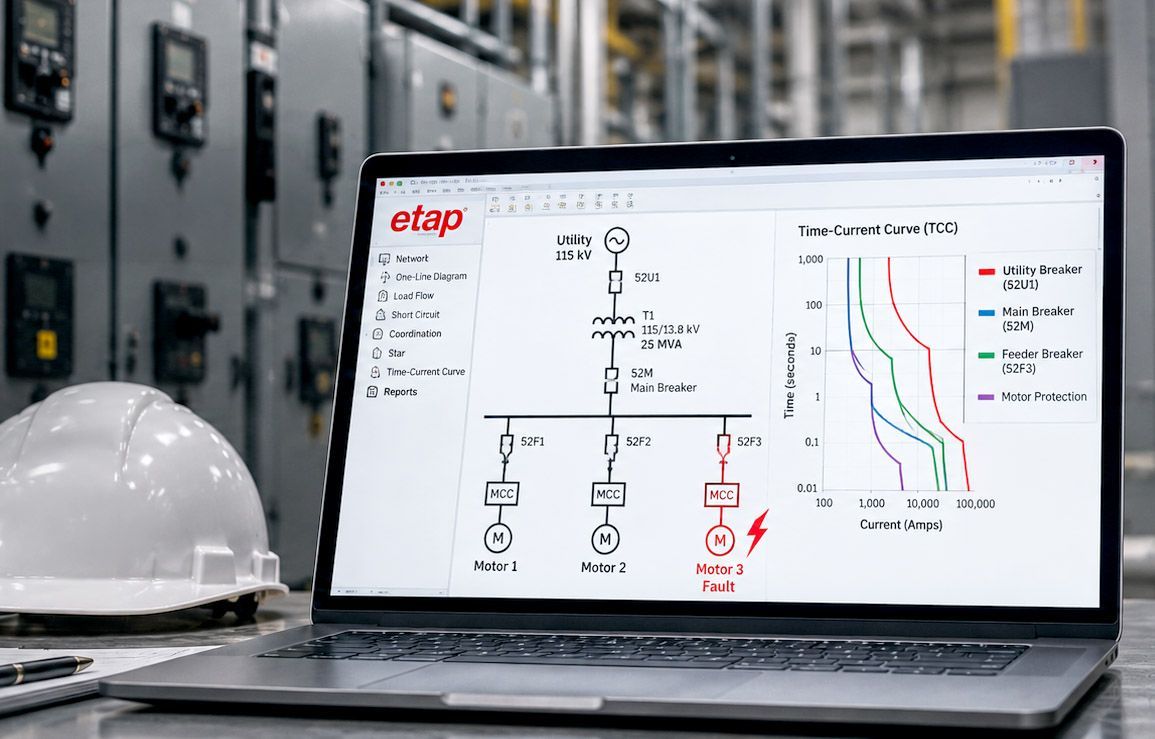
- Single line diagrams and risers: service entrance through distribution to branch circuits.
- Short circuit and protective device coordination: proper interrupting ratings, selective coordination strategy, settings philosophy.
- Grounding and bonding design: site grounding, equipment bonding, lightning protection interfaces where applicable.
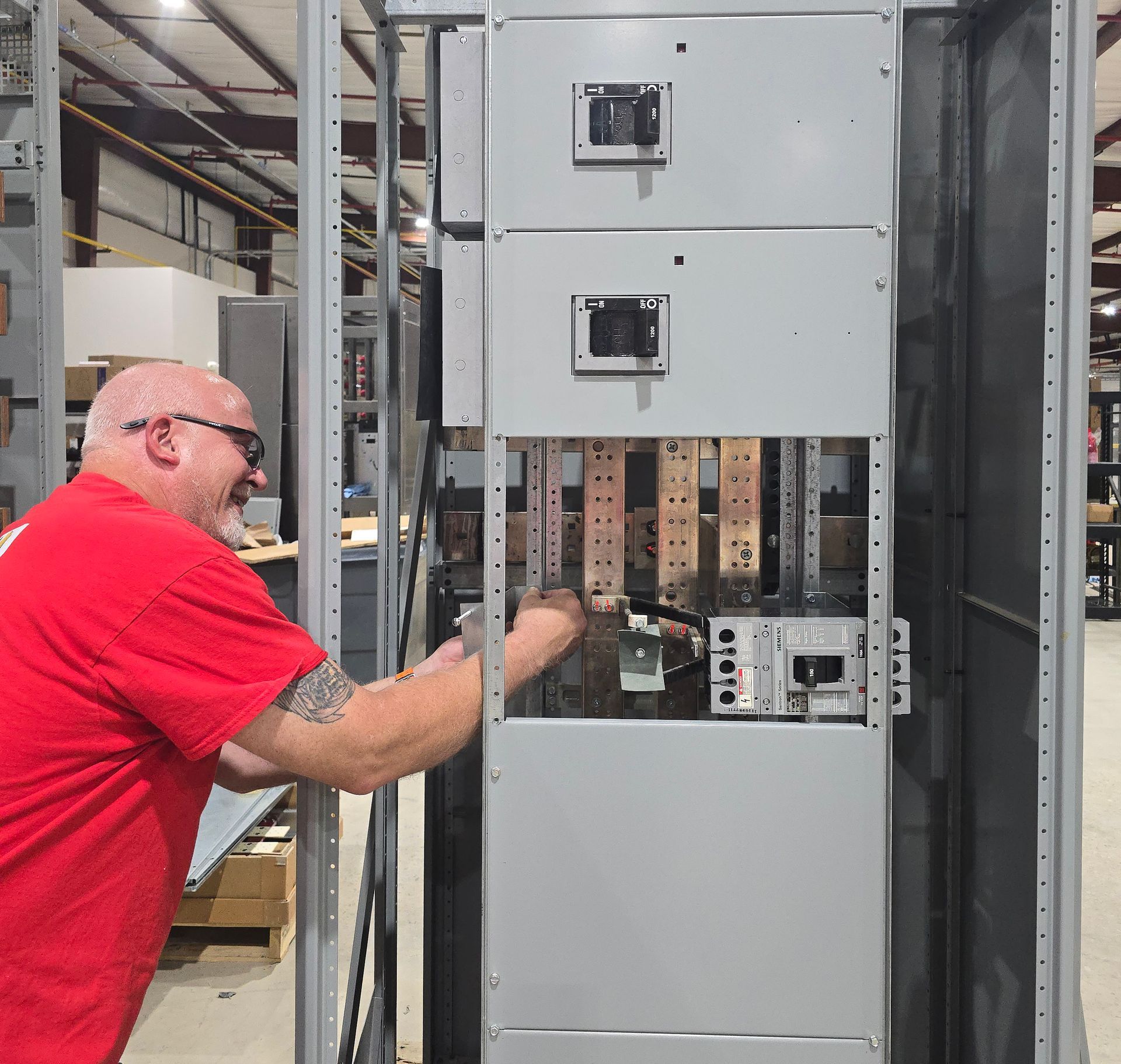
- Equipment specifications: switchgear, MCCs, transformers, panelboards, VFDs, UPS, generators, ATS gear, metering.
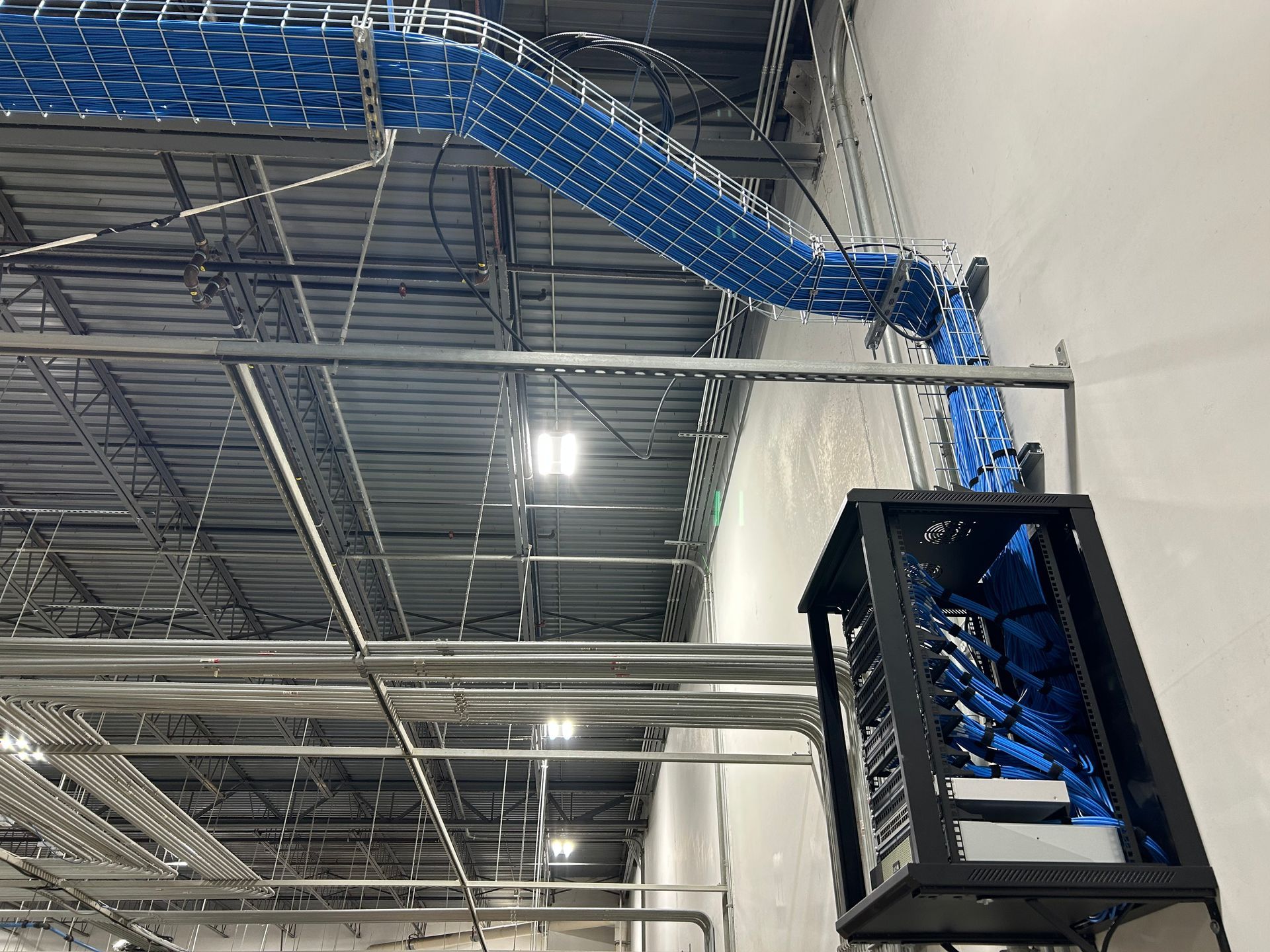
- Construction drawings: conduit and cable routing, equipment room layouts, duct bank details, details for penetrations and supports.
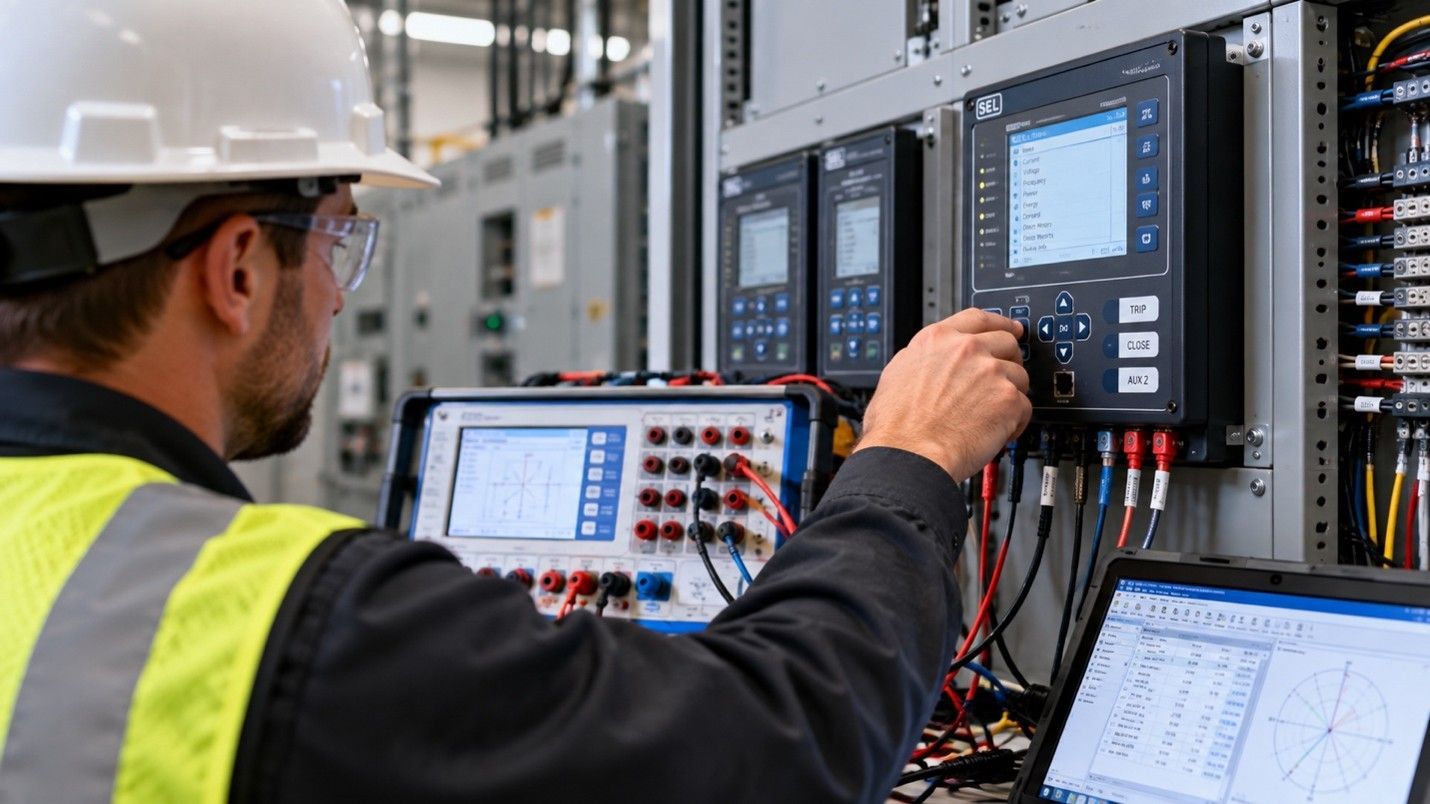
- Startup and commissioning support: submittal reviews, field coordination, energization planning, punch list support.
The difference is completeness. Instead of handing off partial drawings that force the contractor to guess, Complete Electrical Engineering Design Services aim to provide a coordinated plan that installers can execute with fewer RFIs and fewer last minute changes.
Why Integrated Design and Construction Reduces Cost and Schedule Risk
Traditional delivery can create friction: design moves forward without real time input from the field, and construction starts discovering issues that were not visible on paper. That leads to redesign, rework, and schedule impacts.
Recore’s approach brings together design and construction to create a seamless and efficient experience. In practical terms, it means design decisions are tested early against constructability. Equipment locations get validated for access and maintenance. Pathways are planned to avoid clashes. Material lead times are considered when selecting gear. Phasing plans are aligned with site constraints.
Owners feel the benefits quickly:
- Fewer change orders tied to coordination gaps
- Clearer scope boundaries
- Faster installation due to buildable drawings
- Better procurement planning for long lead electrical equipment
- A design that matches how the facility will actually operate
This is especially important for industrial expansions and retrofits where outages, tie ins, and phased energization create real operational risk.
Medium Voltage Power Distribution Up to 25kV: Planning for Serious Power
Medium voltage design is not just “bigger gear.” It requires careful attention to:
- Utility service coordination and available fault current
- Substation or unit substation configuration
- Transformer selection and impedance strategy
- Cable routing, duct bank, and separation requirements
- Grounding and bonding, especially at transition points
- Protection schemes and coordination across MV and LV systems
A good medium voltage design also anticipates growth. That can include provisions for future feeders, spare breaker spaces, transformer capacity allowances, and switchgear lineup expansion planning.
Safety by Design: Designing Systems That Protect People
Electrical design is not only about functionality. It is also about safeguarding employees and contractors working on or near electrical equipment. OSHA’s electrical requirements for general industry address practical safeguarding, with standards covering wiring methods, design, and protection.
- Proper equipment ratings and clear labeling philosophy
- Working space and access planning around electrical rooms and gear
- Thoughtful placement of disconnects and emergency shutoff devices
- Grounding and bonding details that reduce shock hazards
- Protection coordination strategies that reduce the likelihood and severity of faults
When safety is treated as a design requirement, not an afterthought, the result is a facility that is easier to maintain and safer to operate for decades.
Deliverables That Keep Projects Moving
One of the biggest frustrations on electrical projects is incomplete documentation. Missing details lead to RFIs, delays, and field redesign. Complete Electrical Engineering Design Services help keep momentum by producing coordinated deliverables owners, GCs, and electricians can rely on.
Typical design outputs include:
- Basis of design narrative and code approach
- Detailed equipment schedules and panel schedules
- Single lines, three lines where required, and control schematics as needed
- Site power distribution plans and duct bank profiles
- Equipment room layouts with clearances and access paths
- Conduit and cable schedules, pull box plans, and routing notes
- Grounding plans, details, and testing requirements
- Support through submittals and field questions
For owners, these deliverables also create long term value. They become operational documentation that facilities teams can use for maintenance, troubleshooting, and future expansions.
Where Recore Adds Value: Design That Is Built for Construction
Recore’s strength is the comprehensive approach that ties design and construction together. That means our engineers are not designing in a vacuum. We think through installation realities like:
- How gear will be rigged into place
- How conduit banks will be installed and sequenced
- Where field crews will need access for terminations
- How shutdown windows can be minimized during tie ins
- How commissioning can be staged to meet startup goals
This is the practical side of Complete Electrical Engineering Design Services: fewer surprises and a smoother handoff from drawings to installed reality.
The Bottom Line: Better Coordination, Better Outcomes
If you are planning a new facility, expanding a plant, upgrading infrastructure, or building a process driven operation, electrical design is not the place to piece things together. A complete electrical design strategy reduces risk across schedule, safety, cost, and performance.
Complete Electrical Engineering Design Services from Recore are built around full facility design from the ground up, a collaborative approach that integrates design and construction, and the capability to support medium voltage power distribution up to 25kV. The result is a streamlined project experience, a more buildable design, and a facility that performs the way it should from energization onward.