
Industrial Electrical Contracting Retrofit: Modernizing Industrial Facilities
Industrial facilities depend on electrical infrastructure to power equipment, maintain production schedules, and support complex operations. From manufacturing plants and distribution centers to data centers and processing facilities, electrical systems serve as the backbone of industrial productivity. However, many facilities operate with aging electrical infrastructure that was designed decades ago for lower power demands and simpler automation.
An industrial electrical contracting retrofit provides a practical solution for modernizing these systems without requiring a full facility rebuild. Through targeted upgrades and system improvements, retrofits improve energy efficiency, enhance safety, support modern equipment, and extend the lifespan of industrial assets. For contractors like Recore Electric, retrofit projects represent a critical service that helps industrial clients remain competitive while improving reliability and operational performance.
What Is an Industrial Electrical Contracting Retrofit?
An industrial electrical contracting retrofit refers to the process of upgrading or modifying existing electrical systems within an operating facility. Instead of replacing the entire electrical infrastructure, contractors enhance the existing system with modern equipment, controls, and distribution components.
Retrofitting typically includes upgrades such as:
- Replacing outdated wiring and conductors
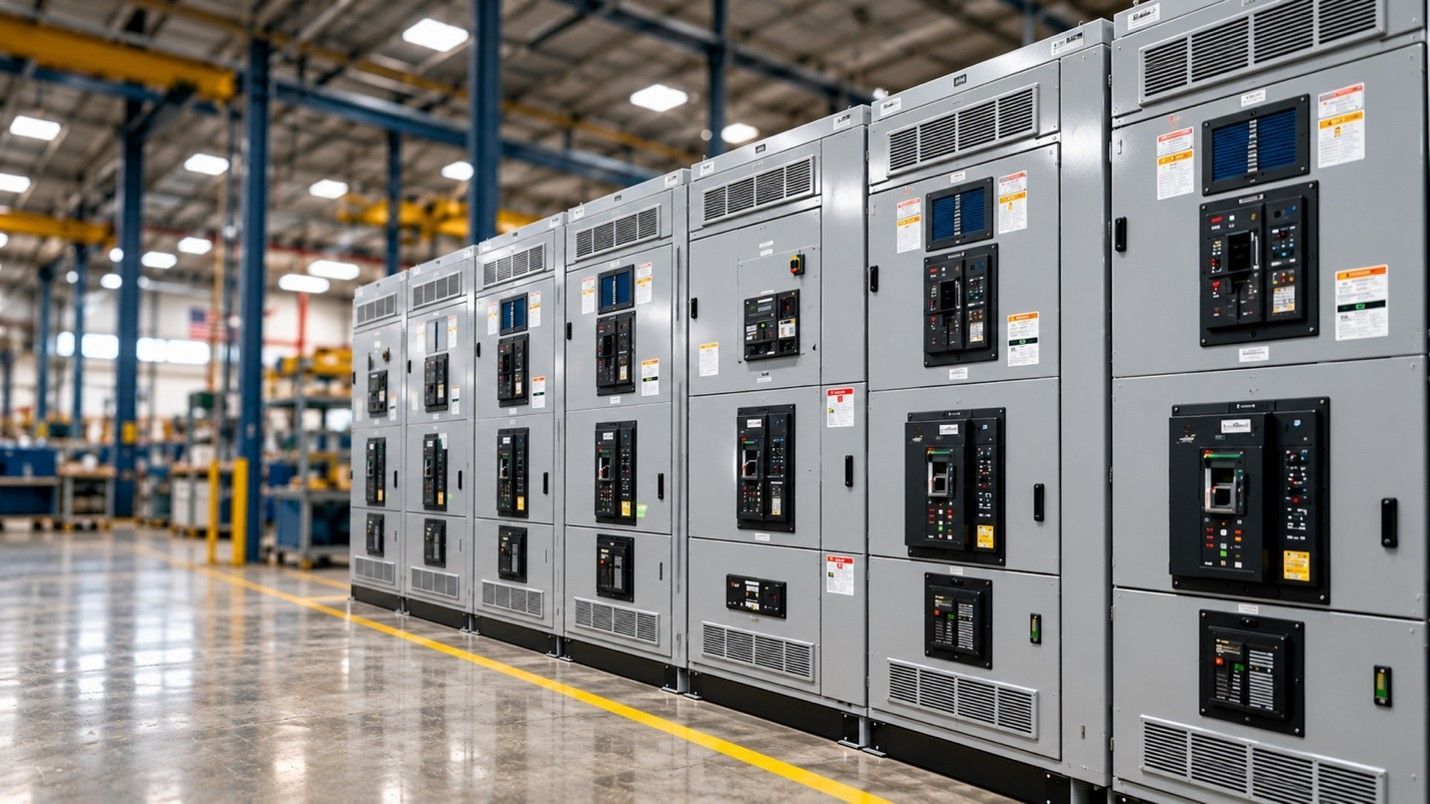
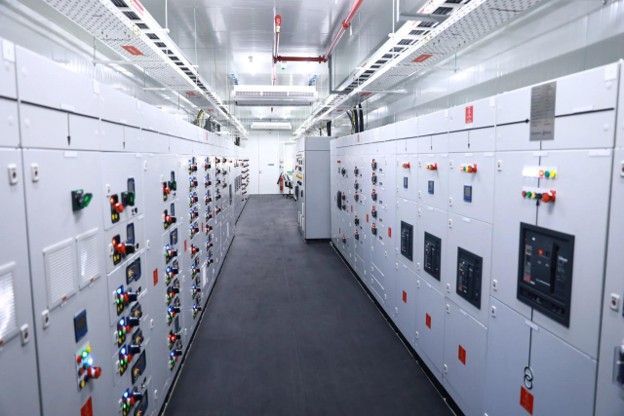
- Upgrading switchgear and electrical panels
- Installing modern motor control centers
- Implementing energy-efficient lighting and controls
- Improving grounding and protection systems
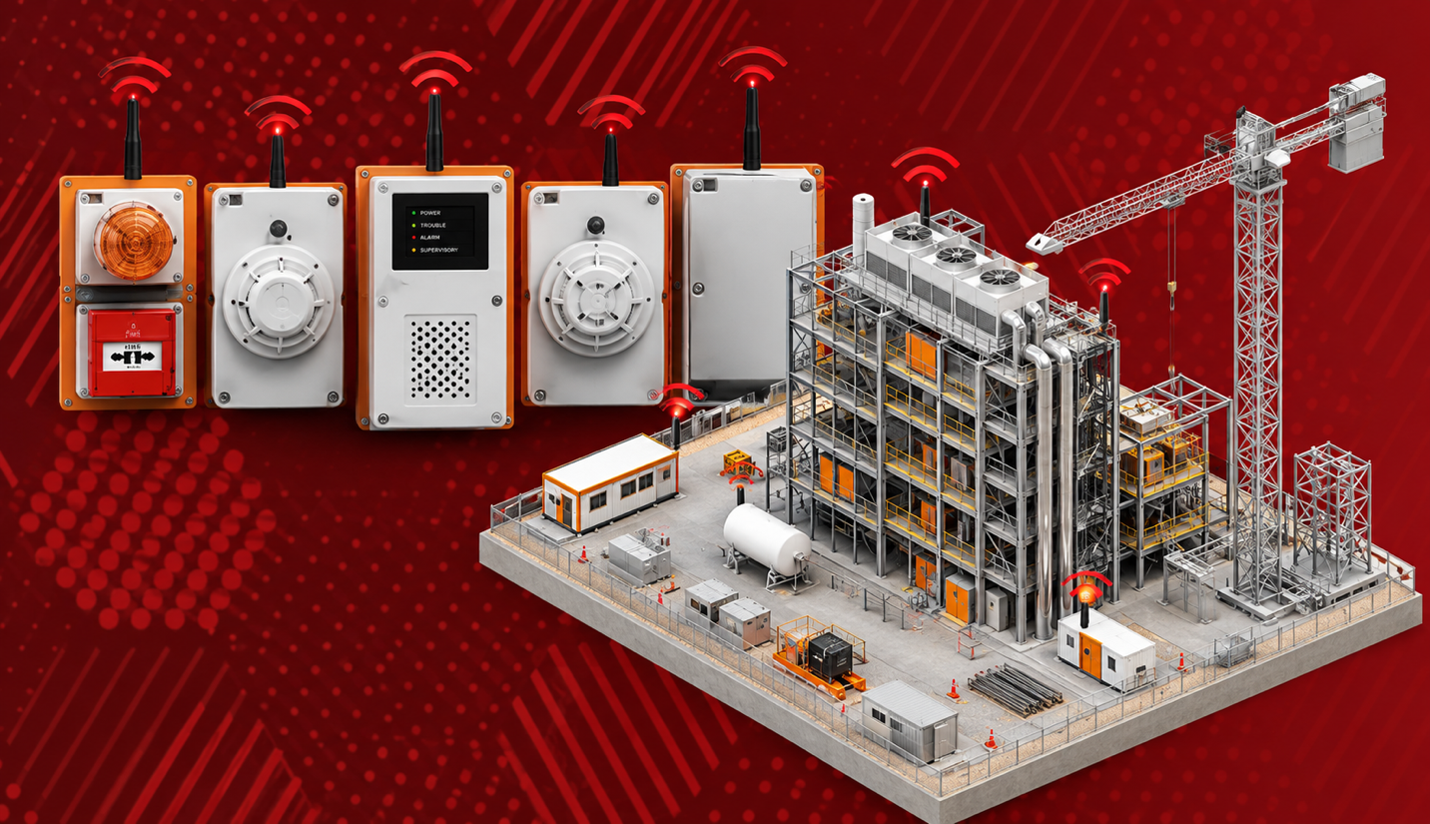
- Integrating advanced automation and monitoring systems
The goal is to modernize electrical performance while preserving as much of the existing infrastructure as possible. Retrofitting allows facilities to incorporate new technologies while minimizing disruption to operations.
For many industrial companies, retrofitting is more cost effective than replacing an entire electrical system. It allows operators to modernize critical systems while maintaining the facility’s core structure and production capabilities.
Why Industrial Facilities Need Electrical Retrofits
Many industrial buildings were constructed when electrical demand was significantly lower than it is today. Over time, new machinery, automation equipment, and high-power processes have increased the electrical load on existing systems.
This creates several challenges.
Aging Infrastructure
Electrical panels, wiring systems, and switchgear installed decades ago often lack the capacity required for modern equipment. Older systems may struggle to support current production loads or new technology integration.
Increased Power Demand
Manufacturing automation, robotics, and data-driven production systems require more power and more sophisticated electrical control systems than older facilities were designed to handle.
Changing Safety Standards
Electrical codes and workplace safety standards evolve over time. Standards such as those published by the National Fire Protection Association, including NFPA 70E for electrical safety, establish requirements to protect workers from hazards like arc flash and electrical shock.
Older electrical systems may not meet these updated standards, making retrofits necessary to improve safety and maintain compliance.
Energy Efficiency Goals
Industrial organizations are increasingly focused on reducing energy consumption and improving operational efficiency. Retrofitting electrical systems with modern equipment can significantly reduce power usage and operational costs.
For these reasons, industrial facilities frequently pursue retrofit projects rather than waiting for a major system failure or planning an expensive facility rebuild.
Key Benefits of Industrial Electrical Contracting Retrofit
An industrial electrical contracting retrofit delivers multiple operational and financial benefits. These improvements extend beyond electrical performance to influence overall facility productivity.
Improved Safety and Compliance
Electrical retrofits help facilities meet modern safety codes and regulations. Outdated wiring, overloaded circuits, and aging electrical equipment can pose serious safety risks for workers.
Upgrading these systems improves protection against electrical hazards while aligning the facility with current safety standards and regulatory requirements.
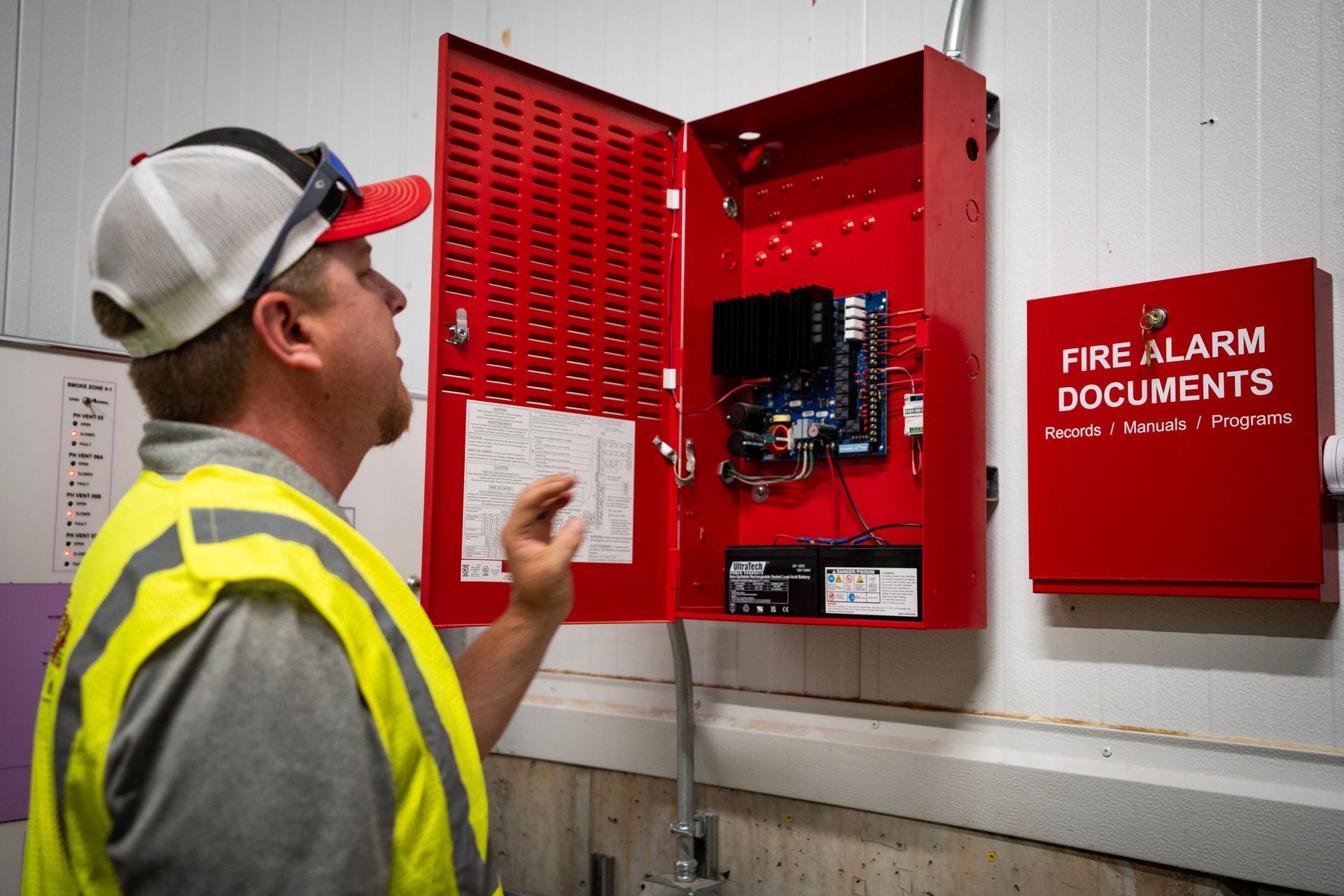
Many retrofit projects include arc flash mitigation, updated circuit protection, and improved grounding systems that reduce workplace hazards.
Increased Reliability and Reduced Downtime
Electrical failures can halt production lines, damage equipment, and create costly delays. Aging electrical infrastructure is more likely to experience failures that disrupt operations.
Retrofitting improves reliability by replacing worn components with modern equipment designed for today’s electrical loads. These upgrades reduce the risk of unexpected outages and support consistent facility performance.
Higher Energy Efficiency
Modern electrical systems are significantly more energy efficient than older installations. New transformers, motors, and control systems are designed to optimize power usage and reduce energy losses.
Energy retrofits can reduce electricity consumption while maintaining or even improving system performance. According to energy efficiency research, retrofitting existing systems is a widely used strategy for lowering overall energy demand in buildings and industrial facilities.
Lower energy consumption translates directly into reduced operating costs.
Support for Modern Equipment
Industrial companies continuously upgrade their production equipment to stay competitive. However, older electrical systems may not be capable of supporting modern machinery.
Electrical retrofits allow facilities to:
- Integrate automated manufacturing equipment
- Support robotics and advanced production systems
- Add new production lines or processing equipment
- Expand facility capacity
Without these upgrades, facilities may struggle to adopt the technologies required for modern manufacturing and industrial operations.
Typical Components of Industrial Electrical Retrofit Projects
An industrial electrical contracting retrofit can involve many different upgrades depending on the facility’s needs. Electrical contractors evaluate the existing system and develop a retrofit strategy tailored to the facility.
Common retrofit components include:
Electrical Distribution Upgrades
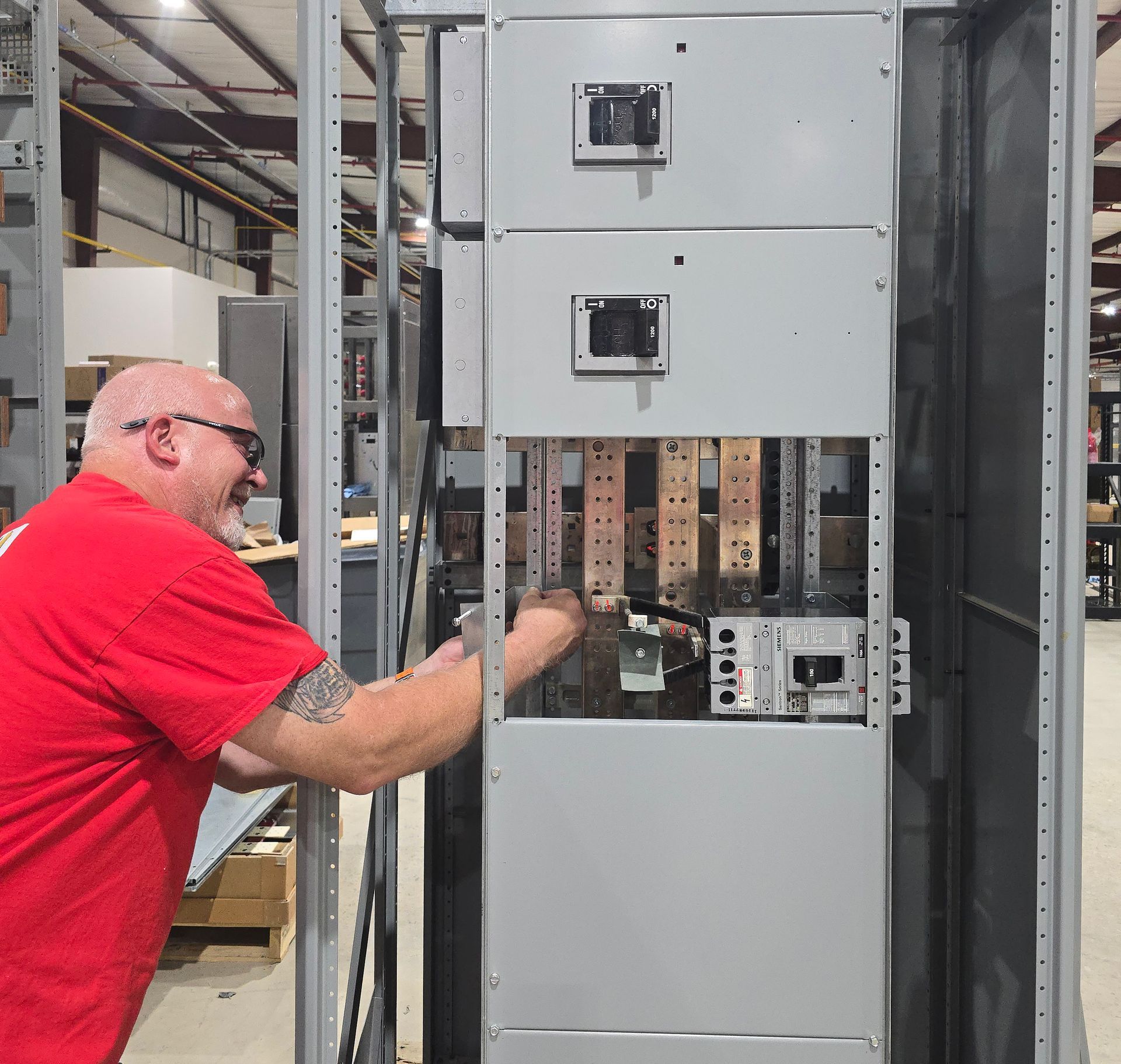
Power distribution systems often require upgrades to handle increased electrical loads. Contractors may replace or upgrade switchgear, transformers, and distribution panels to improve system capacity and reliability.
Lighting Modernization
Many industrial retrofit projects begin with lighting upgrades. Replacing outdated lighting systems with LED fixtures reduces energy consumption and improves visibility in production areas.
Lighting retrofits also require less maintenance and provide longer equipment lifespans.
Motor Control Systems
Motor control centers are essential for operating pumps, conveyors, compressors, and production equipment. Modern motor control systems provide improved efficiency and allow operators to monitor performance in real time.
Variable frequency drives and advanced control systems can also optimize motor performance and reduce energy usage.
Automation Integration
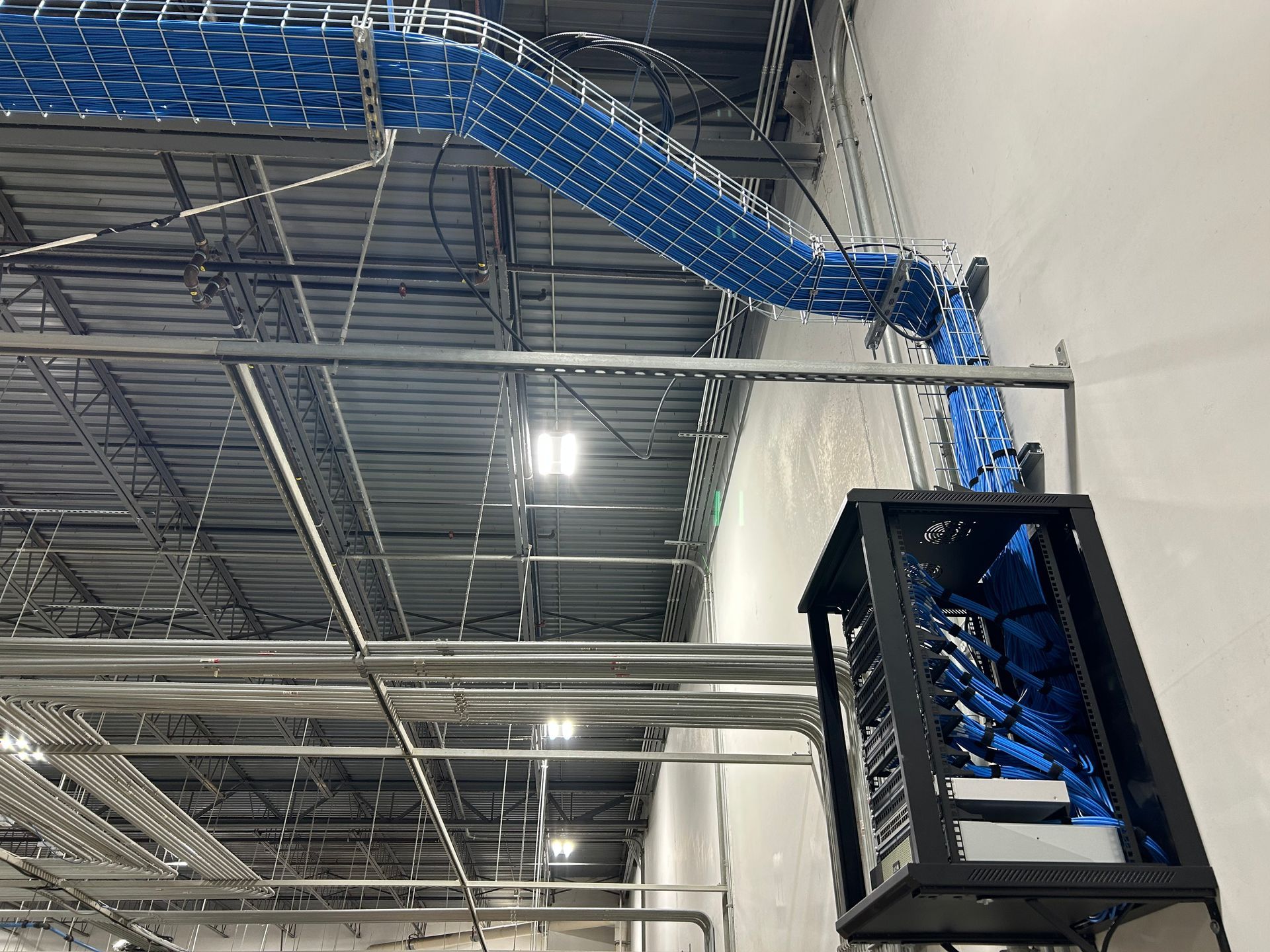
Modern industrial facilities rely heavily on automation. Electrical retrofits often include the installation of sensors, control systems, and network infrastructure that support automated operations.
These technologies enable real time monitoring, predictive maintenance, and improved production efficiency.
Electrical Monitoring and Data Systems
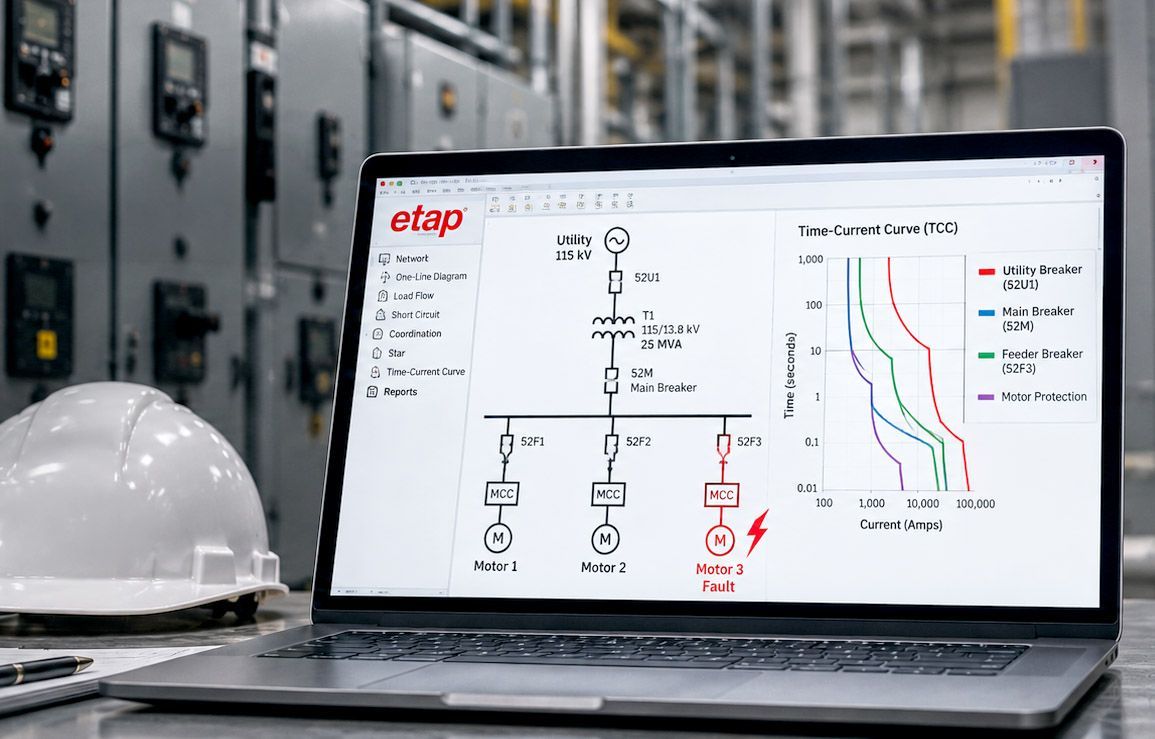
Many retrofit projects incorporate energy monitoring systems that track electrical consumption throughout the facility.
These systems provide data that helps facility managers identify inefficiencies, improve energy management strategies, and reduce operating costs.
Retrofit Planning and Execution
Successful retrofit projects require careful planning and coordination. Industrial facilities typically cannot afford extended shutdowns, so retrofit work must be carefully staged to minimize disruption.
Electrical contractors often perform retrofits in phases that align with plant shutdown schedules or maintenance windows.
The process typically includes:
- Facility assessment
Engineers evaluate the existing electrical infrastructure to identify capacity limitations and safety concerns. - System design and engineering
Contractors develop retrofit plans that upgrade electrical performance while maintaining compatibility with existing systems. - Installation and commissioning
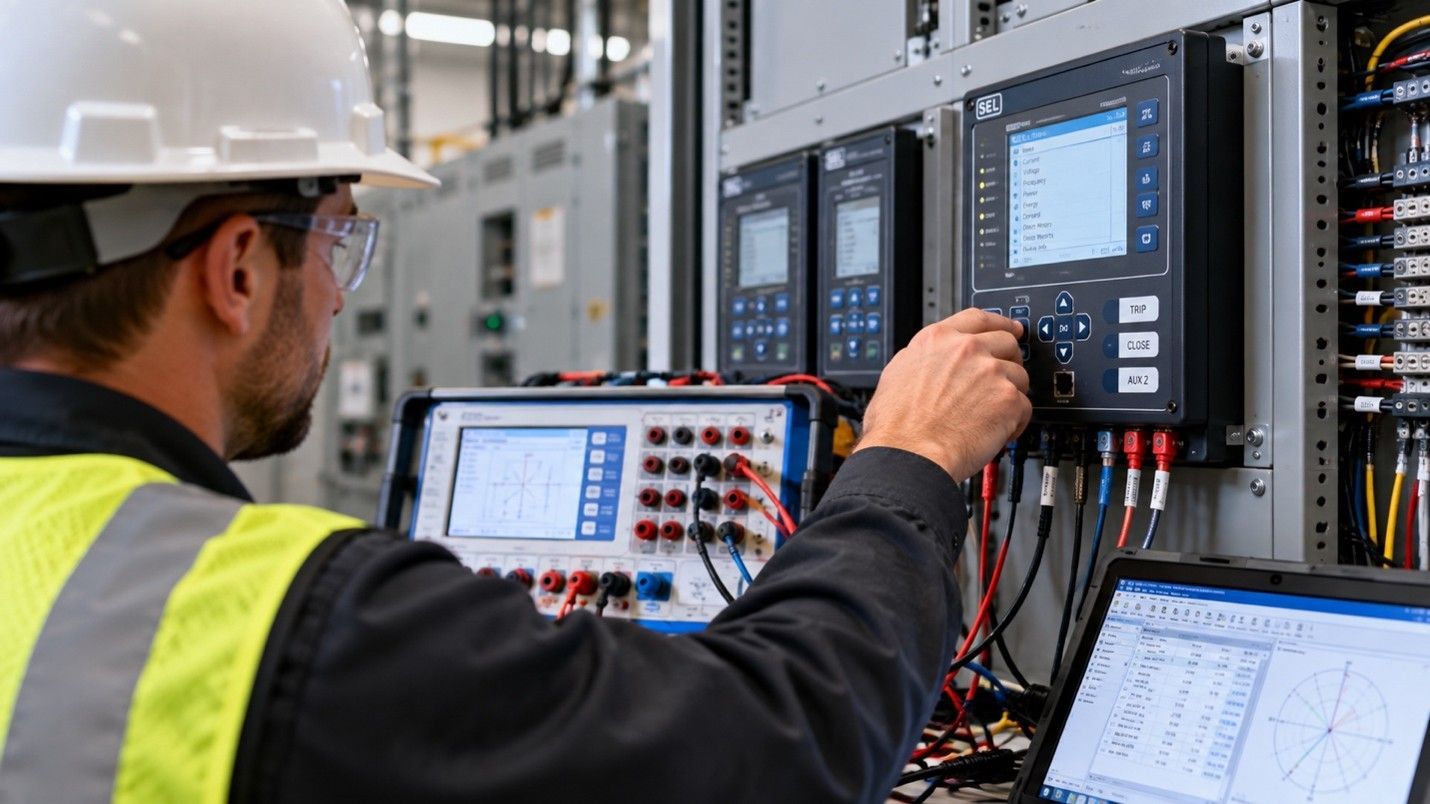
New equipment is installed, tested, and integrated with the facility’s existing infrastructure. - Testing and validation
Electrical systems are tested to confirm proper operation, safety compliance, and performance improvements.
Experienced electrical contractors understand how to coordinate retrofit work around ongoing operations while maintaining strict safety standards.
Why Experienced Industrial Electrical Contractors Matter
Industrial retrofit projects require specialized expertise. Electrical contractors must understand complex industrial environments, power distribution systems, automation technology, and safety regulations.
Experienced contractors bring several advantages to retrofit projects:
- Knowledge of industrial electrical systems
- Familiarity with safety and regulatory standards
- Ability to coordinate with facility operations teams
- Experience working in active production environments
Companies like Recore Electric specialize in delivering complex electrical upgrades that support industrial productivity while maintaining high safety standards.
The Growing Importance of Industrial Electrical Retrofits
Industrial electrical infrastructure across the United States is aging. At the same time, power demands are increasing due to automation, electrification, and digital manufacturing technologies.
Rather than constructing entirely new facilities, many companies are choosing to modernize their existing infrastructure through industrial electrical contracting retrofit projects.
These retrofits improve safety, reduce energy consumption, support new technologies, and extend the useful life of industrial facilities.
For organizations looking to modernize their operations while controlling capital costs, electrical retrofits provide a strategic path forward.
Partnering with the Right Electrical Contractor
Industrial electrical retrofit projects require careful planning, technical expertise, and precise execution. Choosing the right contractor can determine whether a retrofit delivers long term operational improvements or introduces new challenges.
Recore Electric brings extensive experience in industrial electrical contracting, supporting complex retrofit projects that modernize facilities while minimizing operational disruptions.
By combining engineering expertise, safety focused work practices, and a deep understanding of industrial systems, Recore helps clients upgrade critical electrical infrastructure and position their facilities for the future.