E-House/PDC Design and Fabrication: What to Expect from a Turnkey Partner
Modern industrial facilities depend on reliable electrical infrastructure to keep operations running safely and efficiently. Whether supporting a manufacturing plant, utility, data center, mining operation, or chemical processing facility, electrical systems must be designed to deliver dependable power while minimizing downtime and simplifying maintenance.
That is why many organizations are choosing E-House/PDC design and fabrication instead of constructing traditional electrical buildings entirely on site.
A turnkey approach allows companies to receive a fully engineered, fabricated, tested, and transportable electrical building that is ready for installation. Rather than coordinating multiple contractors throughout the project, owners work with one experienced partner from concept through delivery.
At Recore, our team designs and fabricates turnkey electrical buildings, skids, and trailers that are customized for each application. From climate controlled enclosures to arc rated solutions, our goal is to provide dependable electrical infrastructure that helps projects stay on schedule while supporting long term reliability.
What Is an E-House or PDC?
An Electrical House, commonly called an E-House, is a prefabricated building designed to house critical electrical equipment. A Power Distribution Center, or PDC, is a similar solution that centralizes power distribution and electrical controls within a single engineered structure.
These buildings may include:
- Medium and low voltage switchgear
- Motor control centers
- Variable frequency drives
- PLC and automation systems
- Transformers
- UPS systems
- Communication equipment
- HVAC systems
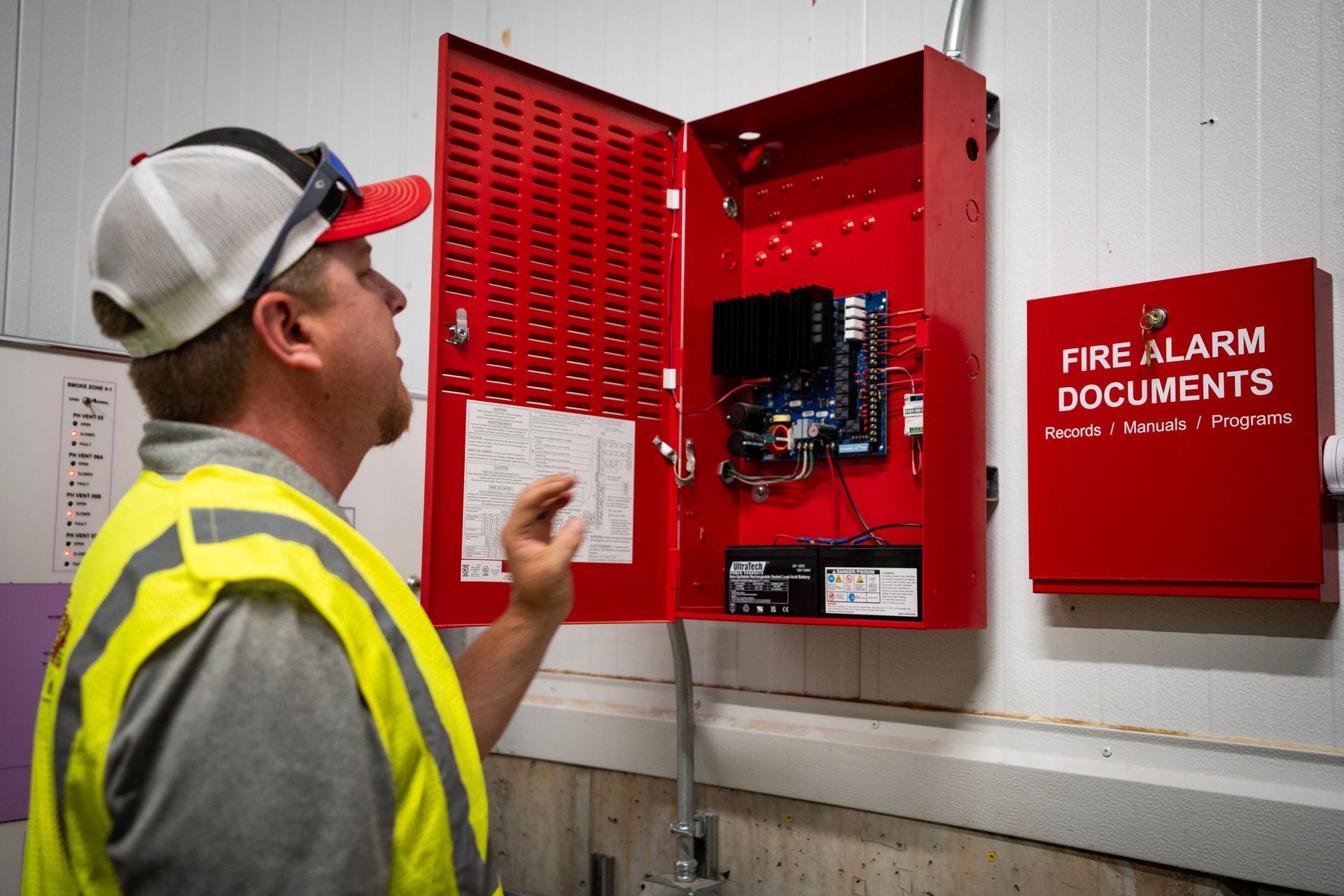
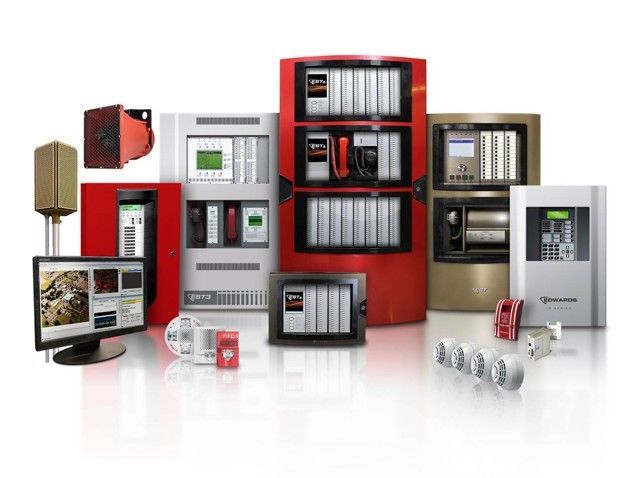
- Fire detection and suppression
- Lighting and safety systems
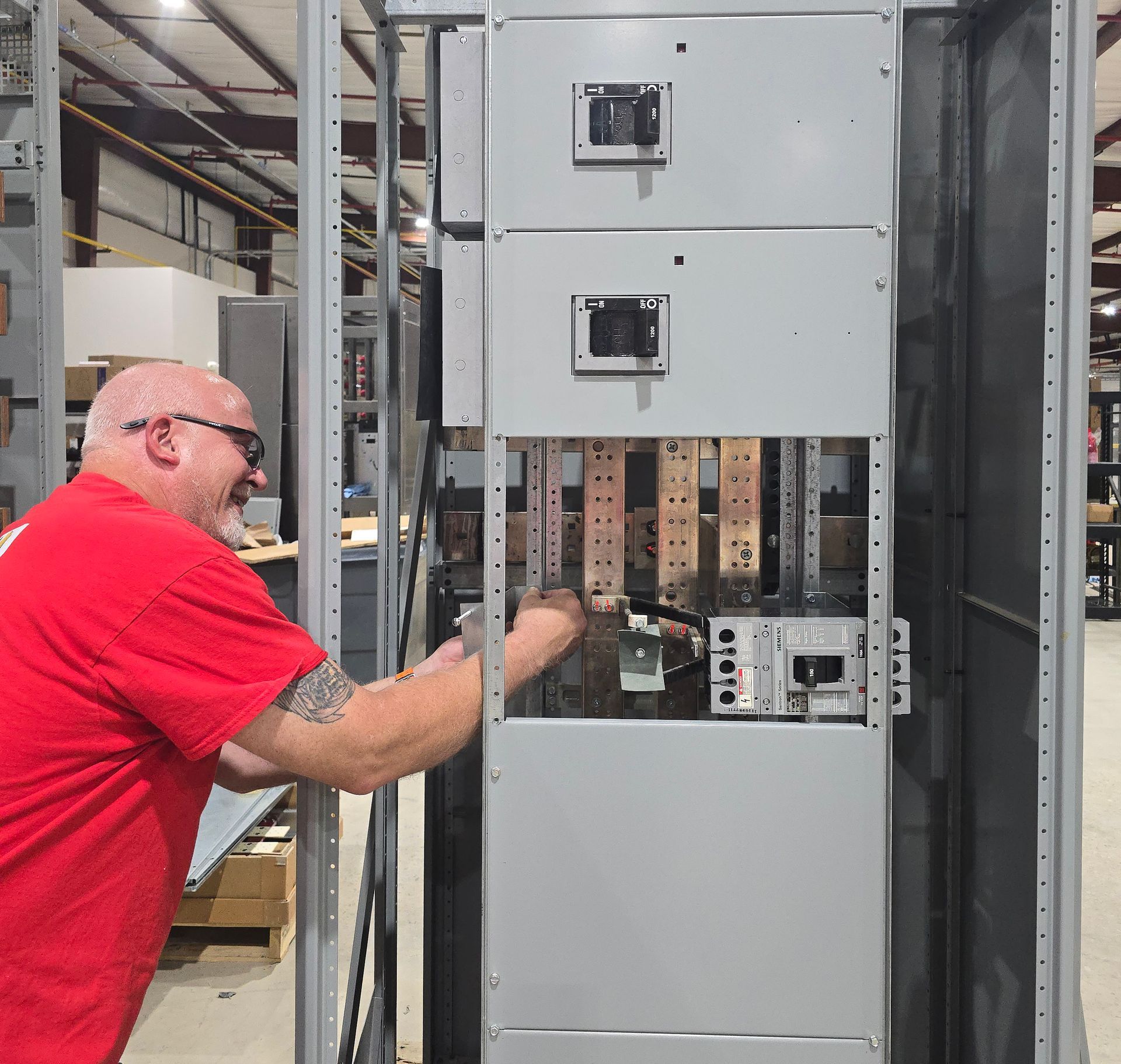
Rather than constructing an electrical room at the job site, the entire building is fabricated, assembled, and tested in a controlled manufacturing environment before shipment. This process often reduces project schedules, improves quality, and minimizes installation challenges. Modular E-Houses have become a popular alternative because they simplify field construction while providing customized electrical solutions.
What Does Turnkey E-House/PDC Design and Fabrication Mean?
When evaluating E-House/PDC design and fabrication, the word "turnkey" means a single company manages the project from beginning to end.
Instead of hiring separate engineering firms, fabricators, electrical contractors, and testing companies, customers receive one coordinated solution.
A turnkey project typically includes:
- Engineering and design
- Structural fabrication
- Equipment integration
- Electrical wiring
- HVAC installation
- Interior lighting
- Factory acceptance testing
- Delivery coordination
- Installation support
Working with one partner reduces communication issues while helping maintain quality throughout the project.
The Design Phase
Every facility has different operating requirements. A manufacturing plant may have different electrical loads than a utility substation or chemical processing facility.
Because of this, effective E-House/PDC design and fabrication begins with understanding the project's specific needs.
Engineers evaluate factors such as:
- Required electrical equipment
- Available space
- Environmental conditions
- Heat loads
- Cable routing
- Maintenance access
- Future expansion
- Applicable electrical codes
- Transportation limitations
Designing around actual operating conditions helps ensure the completed building performs as expected once installed.
Fabrication in a Controlled Environment
One of the biggest advantages of modular electrical buildings is that fabrication occurs indoors rather than at the job site.
This provides several benefits:
- Better quality control
- Protection from weather delays
- Improved schedule reliability
- More consistent workmanship
- Safer working conditions
- Earlier project completion
Factory fabrication also allows electrical equipment, structural components, and mechanical systems to be installed simultaneously rather than waiting for multiple construction phases.
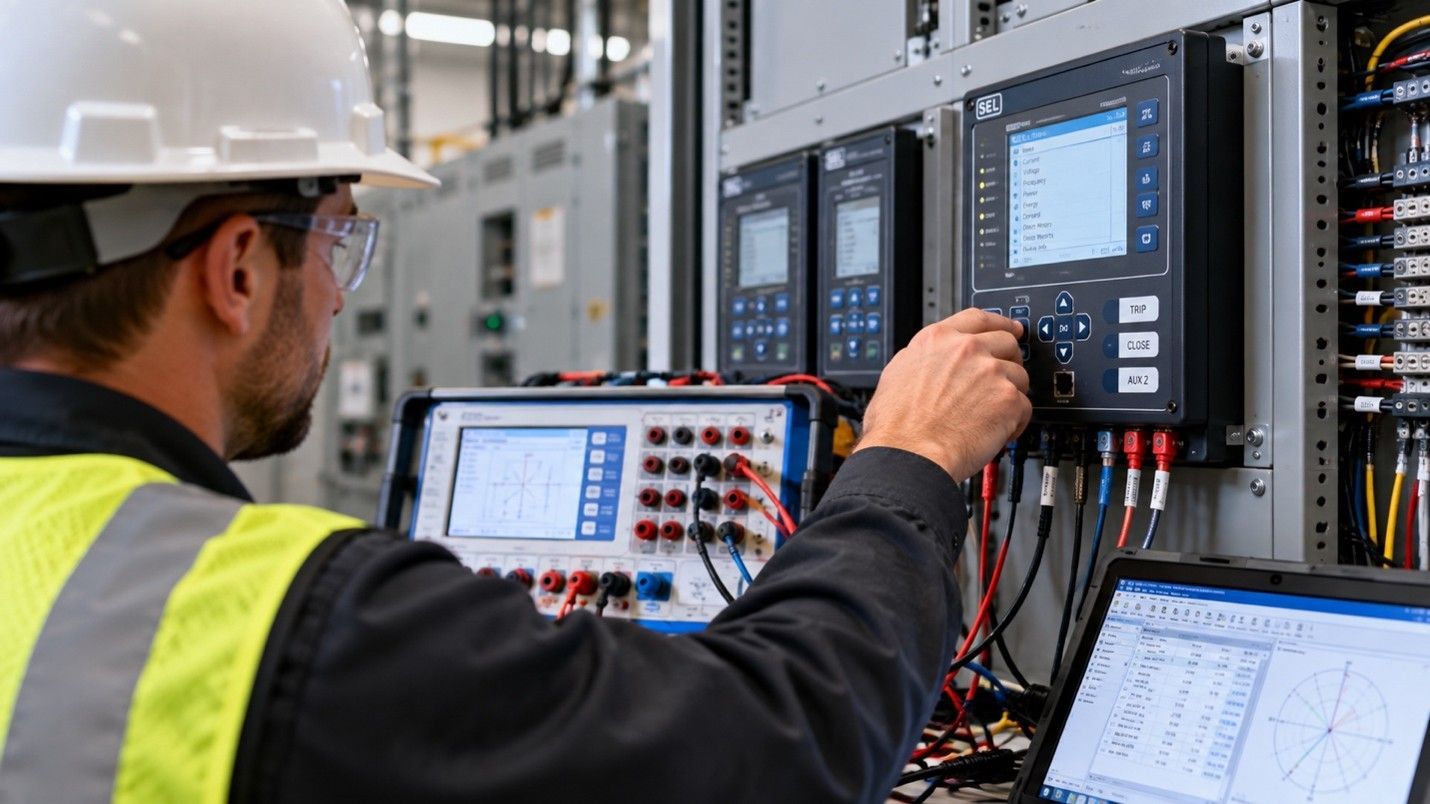
Once fabrication is complete, the building undergoes testing before shipment to verify that systems function properly.
Why Climate Controlled Buildings Matter
Electrical equipment performs best within recommended temperature and humidity ranges.
Excessive heat, moisture, and dust can shorten equipment life while increasing maintenance requirements.
That is why many industrial facilities specify climate controlled E-Houses.
Heating, ventilation, and air conditioning systems help maintain stable environmental conditions that protect sensitive electrical equipment.
Benefits include:
- Longer equipment life
- Improved reliability
- Reduced maintenance
- Better operating conditions for technicians
- Protection against condensation
For facilities operating in extreme temperatures, climate control becomes even more important for maintaining consistent electrical performance.
Understanding Arc Rated Construction
Electrical safety is another important consideration during E-House/PDC design and fabrication.
Arc flash incidents can release tremendous amounts of heat and energy in a fraction of a second. Arc resistant equipment and properly designed electrical buildings help direct energy away from personnel while supporting safer maintenance and operation. The National Fire Protection Association defines arc resistant equipment as equipment designed to withstand the effects of an internal arcing fault and direct released energy away from workers.
Depending on the application, arc rated construction may include:
- Reinforced building design
- Pressure relief systems
- Specialized switchgear layouts
- Controlled ventilation
- Improved personnel access
- Enhanced equipment separation
Proper planning during the design phase helps integrate these safety features into the completed building.
Faster Installation at the Job Site
Because much of the work has already been completed before delivery, installation is often significantly faster than traditional construction.
Instead of coordinating weeks or months of field labor, the building is delivered, positioned, connected, and commissioned.
This approach can help reduce:
- On site labor costs
- Weather related delays
- Project coordination challenges
- Construction schedules
- Facility downtime
For many industrial projects, shortening installation time allows production to begin sooner while reducing disruptions to ongoing operations.
Choosing the Right E-House/PDC Design and Fabrication Partner
Not every fabrication company offers the same level of engineering experience or project support.
When evaluating potential partners, consider:
- Experience with industrial electrical systems
- Engineering capabilities
- Custom fabrication expertise
- Safety knowledge
- Factory testing procedures
- Quality assurance processes
- Installation support
- Project management experience
A qualified partner should understand not only how to fabricate the structure, but also how the electrical systems will perform throughout the facility's lifecycle.
Why Turnkey Solutions Continue to Grow
Industrial projects continue to demand shorter schedules, improved quality, and greater reliability.
Turnkey E-House/PDC design and fabrication helps meet these goals by combining engineering, fabrication, testing, and delivery into one coordinated process. Organizations such as the National Electrical Manufacturers Association emphasize the importance of integrated electrical systems and properly designed enclosures in supporting safe and reliable industrial operations.
At Recore, we provide turnkey buildings, skids, and trailers that are customized to meet each customer's unique operating requirements. Whether your project requires a climate controlled enclosure, arc rated construction, or a fully integrated power distribution center, our experienced team can design and fabricate a solution that supports safe, reliable, and efficient industrial operations.
By partnering with an experienced turnkey provider, companies can simplify complex projects, reduce installation time, and receive an electrical building that is engineered to perform from the day it arrives on site.