
Clash-Free Electrical Installations: How Engineering Prevents Costly Rework
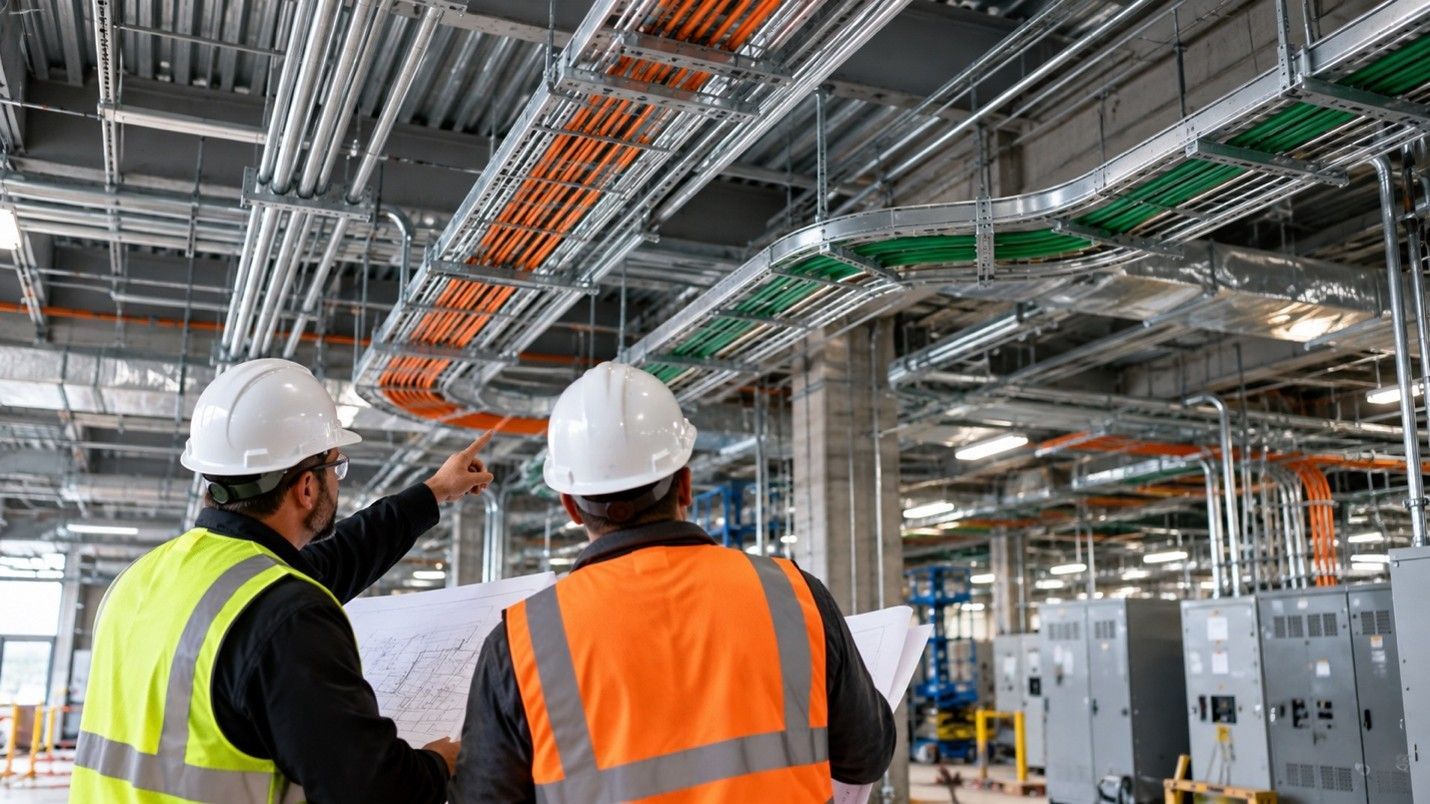
Electrical construction projects require careful planning, coordination, and execution to keep complex systems operating safely and efficiently. When electrical infrastructure conflicts with mechanical equipment, structural components, or other building systems, the resulting installation challenges can lead to costly rework, project delays, and safety concerns.
Clash-free electrical installations help minimize these risks by identifying and resolving potential conflicts before equipment is installed. Through engineering coordination, field verification, and detailed planning, contractors can improve installation efficiency while reducing unexpected complications.
For industrial facilities, manufacturing plants, and other complex environments, clash-free electrical installations are particularly important. These facilities often require extensive power distribution systems, specialized equipment, and carefully coordinated infrastructure.
Understanding how engineering supports clash-free installations can help facility owners and project managers make informed decisions throughout construction.
What Are Clash-Free Electrical Installations?
Clash-free electrical installations refer to the process of coordinating electrical systems with surrounding infrastructure to minimize physical conflicts during construction.
An electrical clash occurs when components interfere with other building systems or occupy space required for installation, operation, or maintenance.
Common examples include:
- Electrical conduits intersecting HVAC ductwork
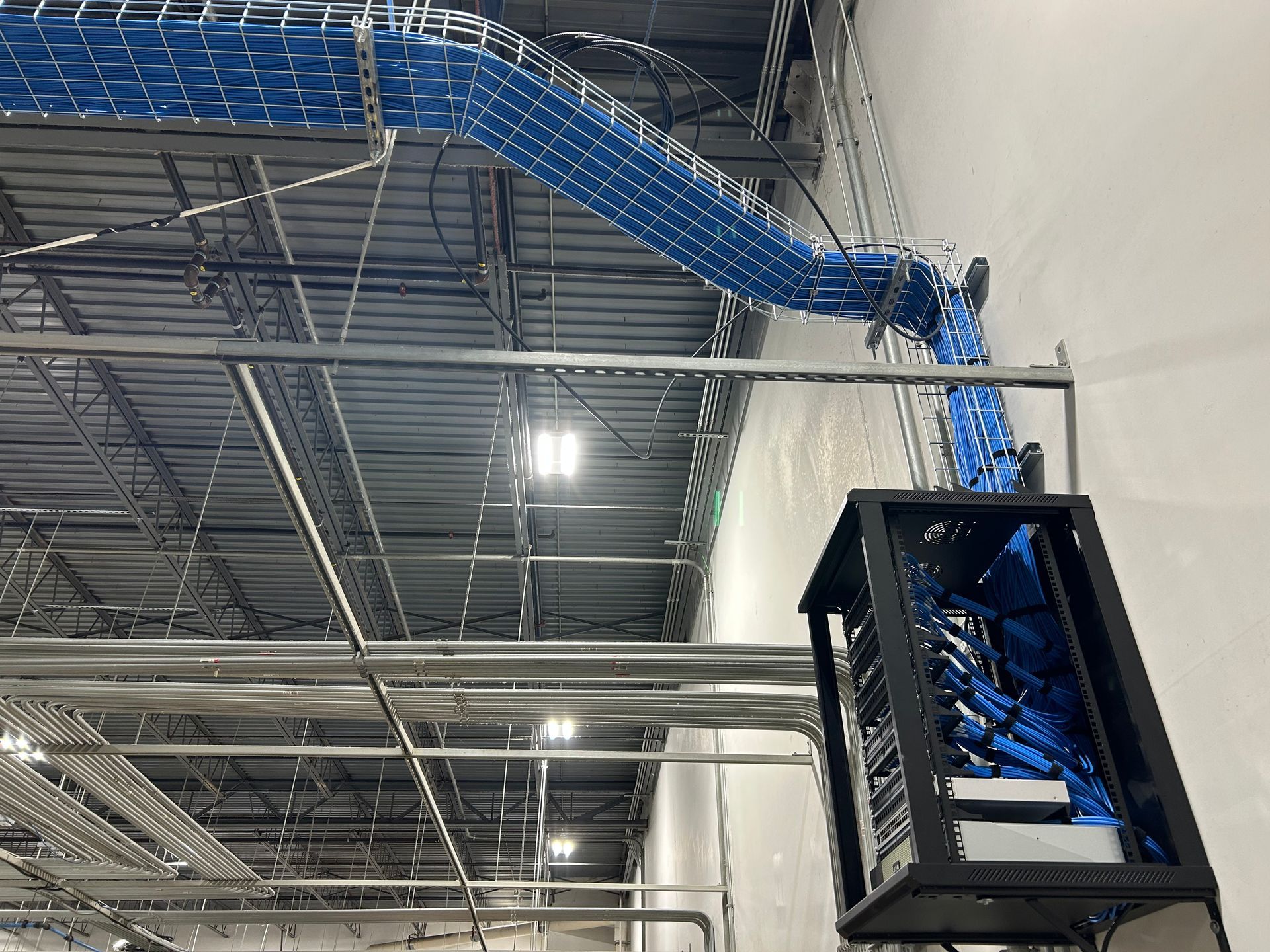
- Cable trays conflicting with structural beams
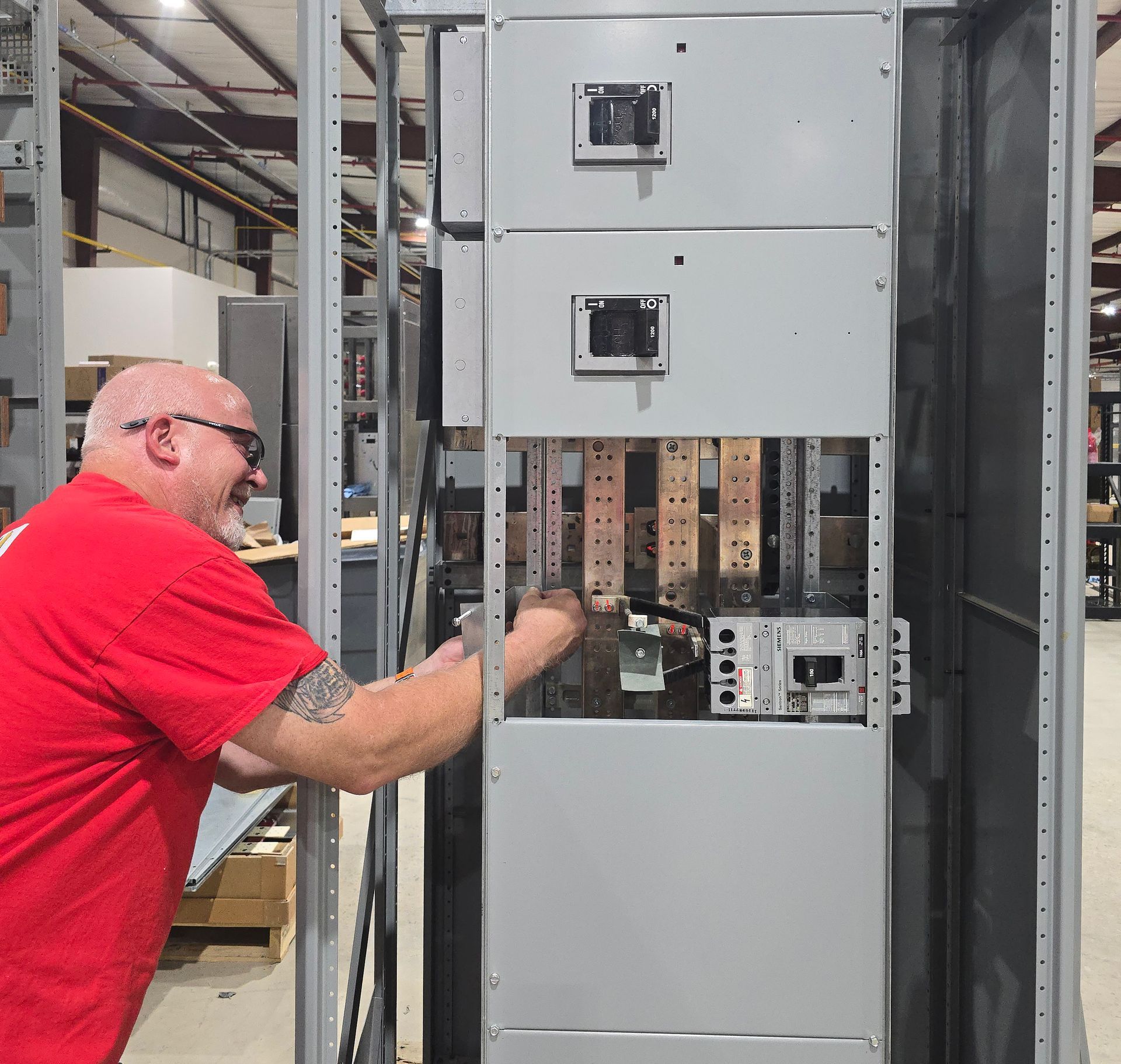
- Switchgear installed without adequate working clearances
- Electrical equipment obstructing maintenance access
- Power distribution components interfering with plumbing systems
- Insufficient space for cable routing or equipment connections
These conflicts may not become apparent until construction begins, particularly when multiple contractors are working within the same facility.
Clash-free electrical installations emphasize early coordination to identify potential problems before they affect field operations.
While no planning process can guarantee that every conflict will be eliminated, proactive engineering can significantly reduce avoidable installation challenges.
Why Electrical Installation Clashes Lead to Costly Rework
Electrical installation conflicts can affect more than the individual component involved.
When a cable tray must be relocated or switchgear placement requires modification, the resulting changes can influence labor schedules, material requirements, and other construction activities.
For example, consider an industrial facility where electrical conduit is scheduled to run through an area already designated for mechanical piping.
If the conflict is discovered after installation begins, the project team may need to:
- Remove previously installed electrical components
- Develop alternative routing plans
- Purchase additional materials
- Coordinate revised installation schedules
- Perform additional inspections or testing
- Delay subsequent construction activities
These adjustments can create unnecessary expenses and disrupt the overall construction timeline.
Clash-free electrical installations help reduce these risks by addressing potential conflicts during the planning and coordination stages.
Early identification also allows contractors to evaluate alternative solutions before labor and materials have been committed.
How Engineering Coordination Supports Clash-Free Electrical Installations
Engineering coordination plays a central role in developing electrical installations that integrate with surrounding building systems.
Rather than treating electrical infrastructure as an isolated component, effective coordination considers how power distribution equipment, mechanical systems, structural elements, and operational requirements interact.
Electrical Design Reviews
Detailed electrical design reviews help identify potential installation challenges before construction begins.
Engineers and project teams can evaluate equipment layouts, conduit routing, electrical clearances, and distribution requirements to determine whether proposed installations are practical.
These reviews may identify conflicts involving:
- Equipment dimensions and available floor space
- Electrical conduit routing
- Cable tray placement
- Switchgear accessibility
- Structural penetrations
- Maintenance and service clearances
Addressing these concerns early helps reduce unexpected field modifications.
Coordination With Other Building Systems
Industrial electrical systems frequently share space with mechanical, plumbing, and structural infrastructure.
Successful coordination requires communication between the various engineering disciplines and construction teams involved.
The National Institute of Building Sciences identifies clash detection and spatial coordination as important methods for identifying system interference and improving construction planning.
Building Information Modeling (BIM) and other coordination methods can help project teams evaluate how systems interact before installation. However, effective coordination also depends on accurate drawings, field information, and communication between contractors.
These practices support more efficient construction and reduce the likelihood of conflicts between building systems.
The Importance of Field Verification Before Installation
Even carefully developed electrical drawings may not fully reflect existing field conditions.
This is particularly important during facility expansions, renovations, and electrical infrastructure upgrades.
Existing equipment, undocumented modifications, or unexpected structural conditions can create installation challenges that are difficult to identify from drawings alone.
Field verification helps project teams compare proposed electrical installations against actual site conditions.
Depending on project requirements, this process may include:
- Confirming existing equipment locations
- Measuring available installation space
- Reviewing conduit and cable routing paths
- Identifying potential obstructions
- Verifying equipment access requirements
- Documenting discrepancies between drawings and field conditions
For industrial facilities undergoing modernization, field verification can be especially valuable when integrating new electrical infrastructure with existing systems.
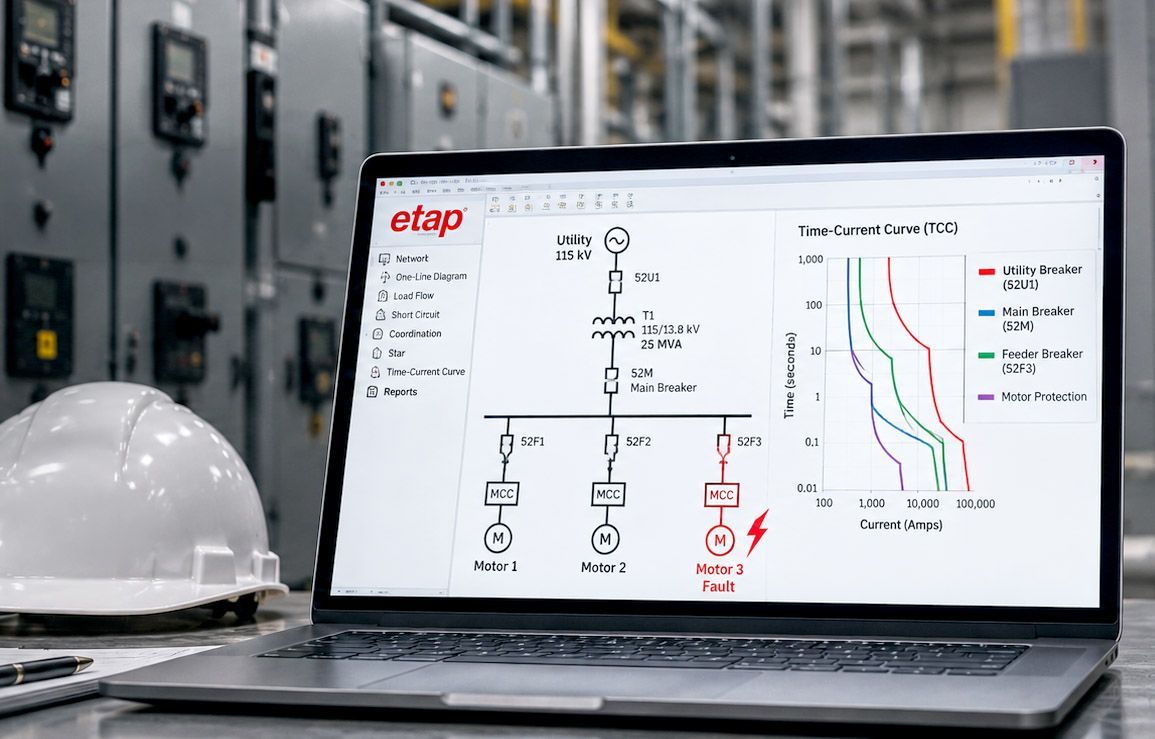
Recore Electric's engineering expertise supports the broader goal of developing reliable electrical systems through detailed evaluation, testing, and technical analysis.
How Clash-Free Installations Improve Electrical Safety
Electrical installation coordination is not only about avoiding construction delays. It also plays an important role in maintaining safe working conditions.
Electrical equipment requires appropriate access, working space, and environmental conditions to support safe operation and maintenance.
Poorly coordinated installations can create restricted access, obstruct equipment doors, or interfere with required electrical clearances.
The Occupational Safety and Health Administration (OSHA) establishes requirements for electrical equipment installation, including sufficient working space around equipment to permit safe operation and maintenance.
These requirements make equipment placement and coordination essential considerations during electrical construction.
For example, switchgear installations must account for access to equipment compartments, maintenance activities, and applicable clearance requirements.
Clash-free electrical installations help project teams identify these considerations before equipment placement becomes difficult or expensive to modify.
Proper coordination does not replace electrical safety procedures, inspections, or testing, but it supports safer and more accessible electrical infrastructure.
Why Clash-Free Electrical Installations Matter for Industrial Facilities
Industrial environments often contain complex electrical distribution networks supporting manufacturing equipment, automated systems, and critical operations.
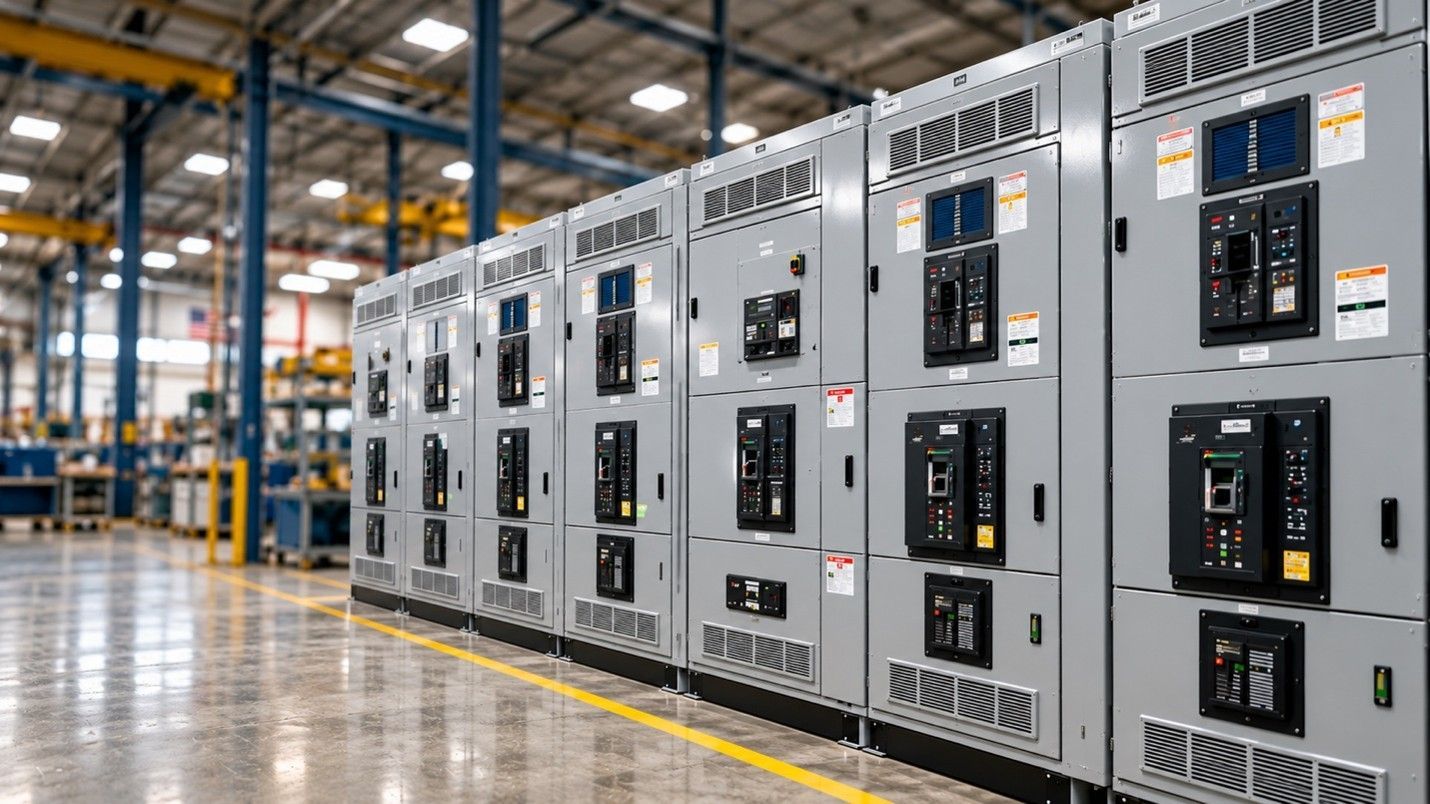
These facilities may require extensive conduit networks, switchgear assemblies, transformers, motor control centers, and specialized electrical equipment.
As infrastructure becomes more complex, coordination becomes increasingly important.
For example, installing new switchgear within an operating manufacturing facility may require careful consideration of existing equipment, available space, cable routing, and operational access.
Without adequate planning, conflicts can delay installation or require modifications to surrounding infrastructure.
Recore explores related equipment considerations in its articles on relay testing, programming, and commissioning and commercial network cabling installation.
These topics demonstrate how electrical system planning, installation practices, and testing contribute to dependable infrastructure.
Clash-free installation planning supports these efforts by helping ensure equipment and electrical pathways are properly coordinated before installation begins.
The Role of Testing and Commissioning in Reliable Electrical Installations
Avoiding physical installation conflicts is only one part of delivering a successful electrical project.
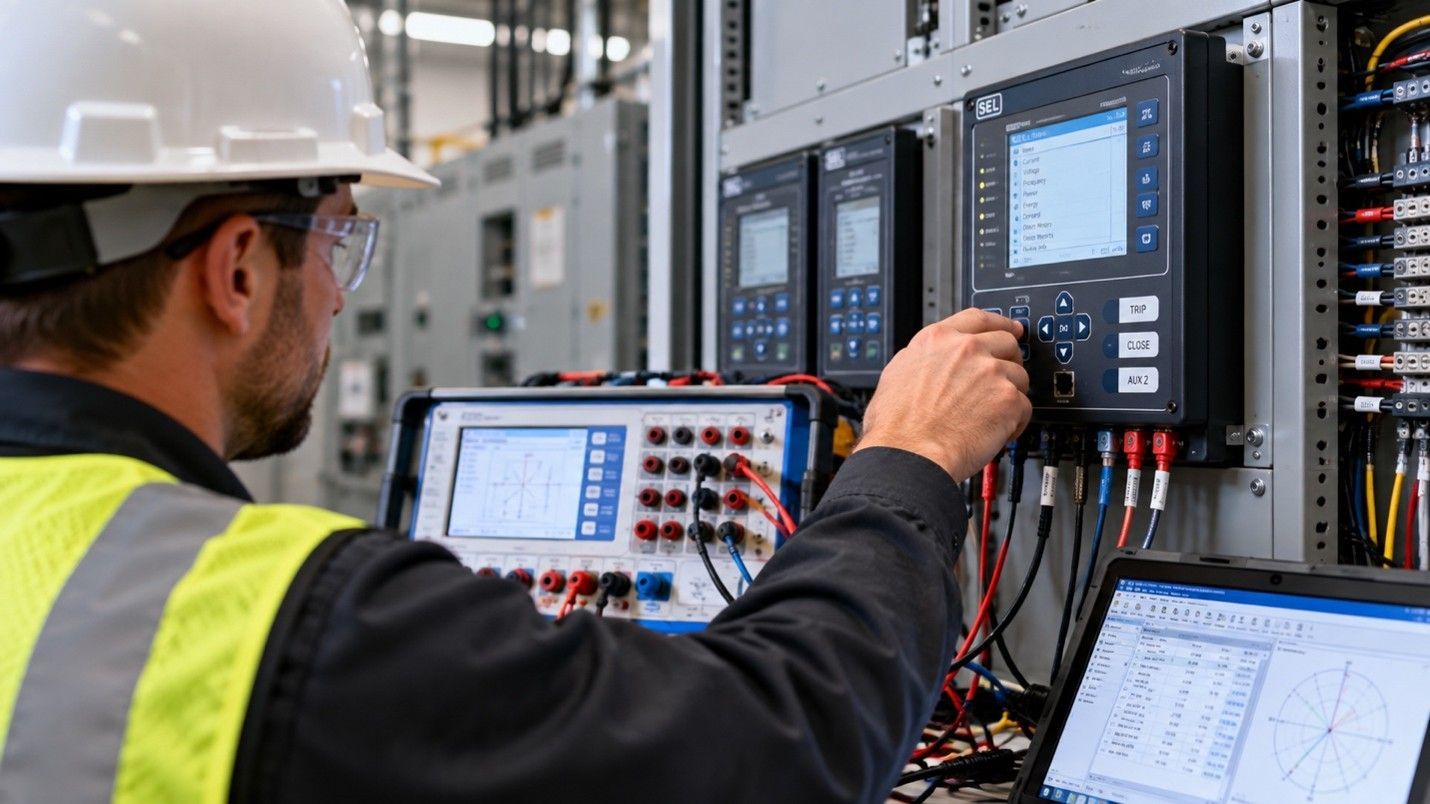
Once equipment is installed, testing and commissioning help verify that electrical systems perform according to their intended design.
Electrical testing can identify issues involving equipment operation, wiring connections, protective devices, and system performance.
These activities complement clash-free installation planning by addressing electrical performance after physical coordination and installation.
Together, engineering coordination, installation quality, and testing contribute to reliable industrial electrical infrastructure.
How Recore Electric Supports Clash-Free Electrical Installations
At Recore Electric, engineering expertise is an important part of delivering reliable, efficient, and safe electrical systems.
Recore's Engineering Services division specializes in engineering field studies and testing that support electrical system performance, reliability, and compliance.
Through technical analysis, diagnostics, and validation, the team helps industrial facilities better understand their electrical infrastructure and identify potential operational concerns.
Clash-free electrical installations are a key differentiator within Recore's broader approach to electrical projects, emphasizing the importance of coordination and installation planning.
Combined with Recore's focus on NETA QEMC qualifications and quality standards across field services, this approach supports electrical projects from initial planning through testing and commissioning.
By prioritizing engineering coordination and reliable system performance, Recore helps industrial customers reduce avoidable complications and maintain dependable electrical infrastructure.