
Wireless Alarm Systems for Industrial Facilities: Flexible Life Safety Solutions
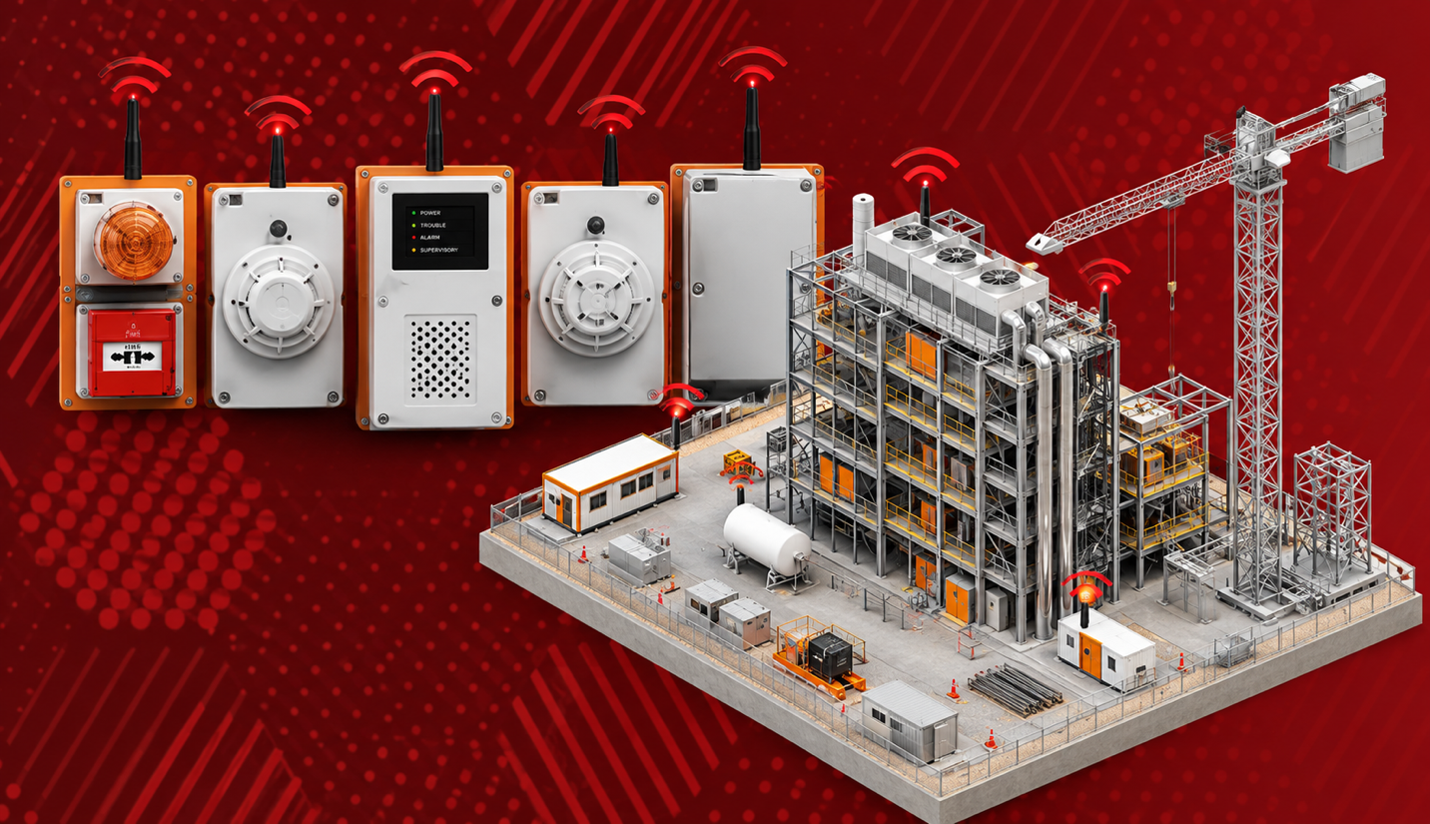
Industrial facilities require reliable life safety systems to protect employees, equipment, and operations. From manufacturing plants and warehouses to processing facilities and distribution centers, these environments often present unique challenges for fire detection and emergency communication.
Wireless alarm systems for industrial facilities provide a fast, flexible, and reliable solution for life safety without requiring extensive fixed infrastructure. Unlike traditional wired systems, wireless alarm systems can be installed with minimal cabling, making them ideal for industrial environments where installing permanent wiring is impractical or where facility layouts frequently change.
For facility managers, plant operators, and industrial contractors, wireless alarm systems offer an adaptable approach to emergency notification while helping reduce installation disruptions.
What Is a Wireless Alarm System?
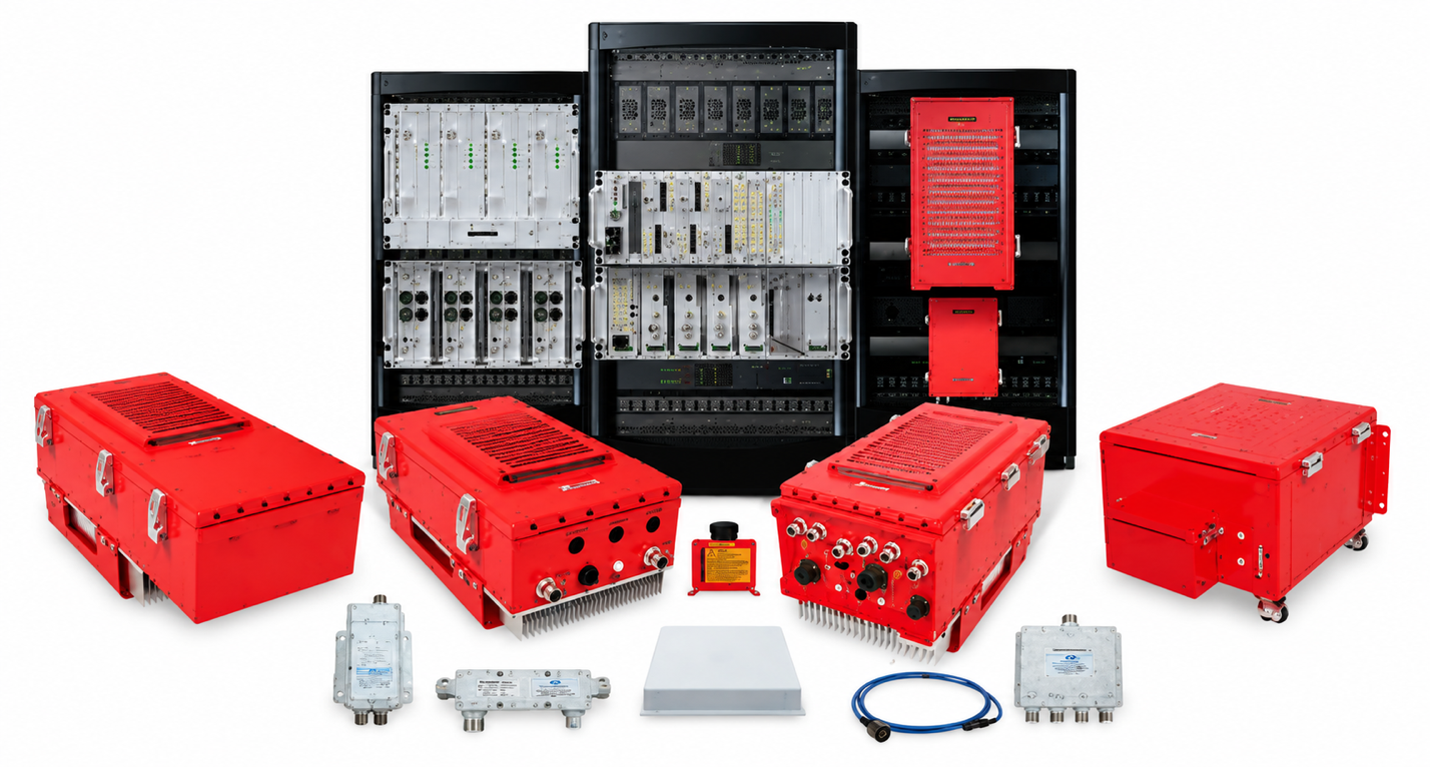
A wireless alarm system uses radio frequency communication to connect alarm devices without relying on traditional hardwired communication pathways.
These systems can incorporate multiple components that work together to detect emergencies and alert personnel.
Common components include:
- Wireless smoke and heat detectors: Identify conditions that may indicate a fire.
- Manual alarm activation devices: Allow employees to initiate an emergency alarm.
- Audible and visual notification devices: Alert personnel through sirens, horns, strobes, or other warning signals.
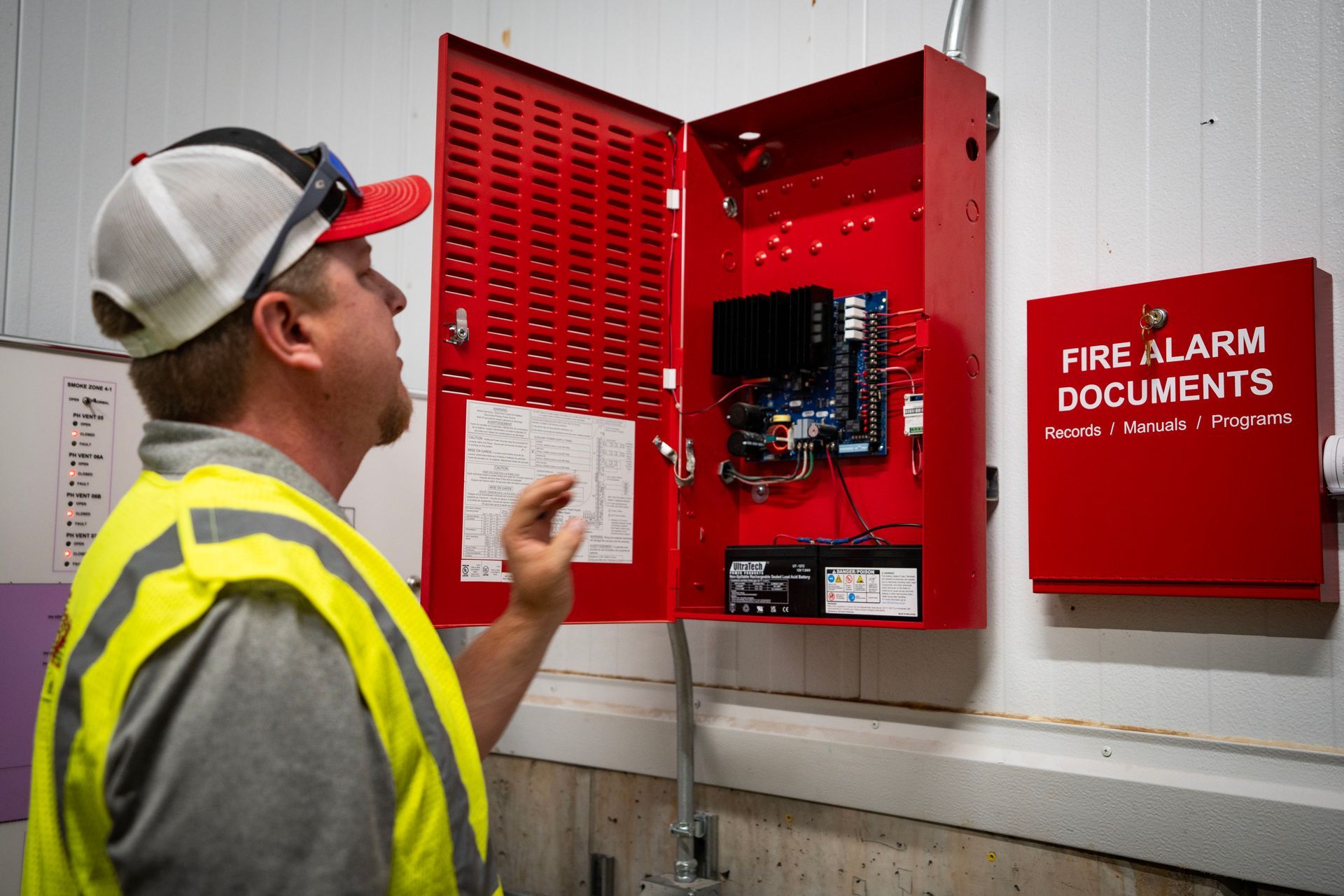
- Wireless control panels: Monitor connected devices and coordinate alarm activation.
- Communication modules: Support remote notifications or monitoring when properly configured.
Depending on the system design, wireless alarm devices may operate independently or integrate with existing fire alarm infrastructure.
For industrial facilities, this flexibility can be particularly valuable when expanding operations, modifying production areas, or installing temporary equipment.
Why Industrial Facilities Need Wireless Alarm Systems
Industrial environments often contain complex electrical systems, heavy machinery, combustible materials, and production processes that introduce potential safety hazards.
Manufacturing operations may also involve welding, equipment maintenance, elevated temperatures, and other activities that require careful fire prevention planning.
According to the Occupational Safety and Health Administration (OSHA), 29 CFR 1910.165, employee alarm systems must provide warning for necessary emergency action or safe escape when such systems are required.
Wireless alarm systems can help industrial facilities support these safety objectives when appropriately designed, installed, and maintained.
Additionally, industrial facilities frequently undergo renovations, equipment upgrades, and production line modifications.
These changes can make installing or relocating traditional wired alarm devices challenging.
Wireless technology offers an alternative that can accommodate changing operational needs without requiring extensive modifications to existing infrastructure.
Key Benefits of Wireless Alarm Systems for Industrial Facilities
1. Faster Installation with Minimal Cabling
One of the primary advantages of wireless alarm systems is the reduced need for communication wiring.
Traditional wired systems often require conduit installation, cable routing, and modifications to existing electrical infrastructure.
In an active industrial facility, these activities may interfere with production schedules or require access to restricted areas.
Wireless alarm devices can often be installed more efficiently, reducing installation complexity and limiting disruptions to daily operations.
This makes wireless systems particularly useful for facilities that need to expand alarm coverage while maintaining production.
2. Flexible Coverage for Changing Facility Layouts
Industrial facilities frequently change their layouts to accommodate new equipment, expanded production lines, or revised manufacturing processes.
These modifications may affect the placement and effectiveness of existing alarm devices.
Wireless alarm systems allow compatible components to be relocated or expanded as facility requirements evolve.
For example, a manufacturing plant adding a new production area may be able to extend wireless alarm coverage without installing extensive new communication cabling.
This flexibility helps facility managers adapt their life safety infrastructure to operational changes.
3. Reliable Emergency Notification
Effective emergency communication is essential in industrial environments where machinery noise, large floor plans, and multiple work areas can complicate evacuation procedures.
Wireless alarm systems can incorporate audible and visual notification devices to help alert employees during emergencies.
Many systems also provide device supervision, battery monitoring, and communication fault reporting.
However, reliable performance depends on proper system design.
Metal structures, heavy equipment, concrete walls, and electromagnetic interference can affect wireless signal transmission.
Professional site assessments, equipment selection, and testing are necessary to confirm that wireless devices communicate reliably throughout the facility.
4. Reduced Disruption to Industrial Operations
Production downtime can be expensive for industrial facilities.
Installing traditional alarm wiring may require temporarily restricting access to equipment, working above active production areas, or coordinating around operating machinery.
Wireless alarm systems can reduce some of these challenges by minimizing the need for physical communication pathways.
For facilities operating around the clock, reducing installation-related disruptions can be an important advantage.
Common Applications for Wireless Alarm Systems
Wireless alarm systems can support life safety across a variety of industrial environments.
Manufacturing Plants
Manufacturing facilities often contain large production areas, specialized machinery, and changing equipment layouts.
Wireless alarm systems can provide adaptable emergency notification coverage when permanent wiring is difficult to install or modify.
Warehouses and Distribution Centers
Large warehouses may require alarm coverage across extensive storage areas, loading docks, and temporary work zones.
Wireless devices can offer flexibility when storage configurations or facility operations change.
Industrial Renovations and Expansions
When an industrial facility undergoes renovations, portions of the existing fire alarm infrastructure may need modification.
An appropriately approved temporary wireless alarm system may help maintain necessary protection during construction or equipment upgrades.
Temporary Industrial Facilities
Temporary processing areas, modular buildings, and maintenance facilities may require emergency notification without permanent infrastructure.
Wireless systems can provide an adaptable solution when selected and approved for the specific application.
Wireless Alarm Systems vs. Traditional Wired Alarm Systems
Both wireless and wired alarm systems can provide effective life safety protection when properly designed and maintained.
However, their installation requirements and operational advantages differ.
Wireless alarm systems typically offer:
- Reduced communication cabling requirements
- Faster installation in suitable environments
- Easier relocation of compatible devices
- Flexible expansion capabilities
- Reduced disruption during facility modifications
Traditional wired alarm systems typically offer:
- Established permanent communication pathways
- No individual wireless device communication batteries
- Straightforward integration with many existing wired systems
- Long-term infrastructure for fixed facility layouts
Some industrial facilities may benefit from hybrid systems that combine wireless devices with existing wired alarm infrastructure.
For additional information about permanent fire protection systems, explore Recore Electric's Fire Alarm Installation and Services: Protecting Facilities and Lives.
Industrial Safety Standards and Compliance
Wireless alarm systems must meet applicable fire protection requirements and local regulations.
OSHA's 29 CFR 1910.38 Emergency Action Plans establishes requirements for workplace emergency action plans when such plans are required by an OSHA standard.
These requirements include procedures for reporting emergencies, evacuation, and accounting for employees.
Depending on the facility and application, wireless fire alarm systems may also need to comply with relevant provisions of NFPA 72 and receive approval from the local Authority Having Jurisdiction (AHJ).
Facility managers should verify that selected equipment is appropriate for the operating environment, particularly in areas containing combustible dust, flammable gases, or other hazardous conditions.
Wireless technology does not eliminate the need for proper system design, inspection, or regulatory compliance.
Testing and Maintaining Wireless Alarm Systems
Routine inspection and maintenance are essential for keeping wireless alarm systems operating reliably.
Industrial facility managers should establish procedures to evaluate:
- Wireless communication between connected devices
- Battery condition and replacement schedules
- Smoke and heat detector functionality
- Manual alarm activation devices
- Audible and visual notification performance
- Communication fault monitoring
- Changes in facility layouts that could affect signal coverage
Wireless signal testing is particularly important in industrial environments where machinery, metal equipment, and structural modifications may influence communication performance.
Testing and maintenance should follow manufacturer recommendations and applicable codes.
Learn more about maintaining dependable life safety infrastructure in Recore Electric's Fire Alarm Test and Inspections: Keeping Your Facility Protected and Compliant.
Integrating Wireless Alarm Systems With Industrial Life Safety Infrastructure
Wireless alarm systems are often one component of a broader industrial life safety strategy.
Facilities may also rely on permanent fire alarm systems, emergency lighting, access control, and emergency communication infrastructure.
When supported by compatible equipment and approved system designs, wireless alarm devices may be integrated into existing fire alarm networks.
This approach can help facilities expand coverage while retaining portions of their established infrastructure.
Industrial operators should also evaluate how emergency alerts coordinate with evacuation procedures and first responder communication systems.
For more information about communication infrastructure supporting emergency personnel, read Recore Electric's article on Emergency Responder Communications Enhancement Systems.
Choosing the Right Wireless Alarm System for Your Industrial Facility
Selecting a wireless alarm system requires an evaluation of the facility's physical layout, operating conditions, and safety requirements.
Important considerations include building size, structural materials, equipment locations, potential interference, hazardous area classifications, and required notification coverage.
Facility managers should also consider future expansion plans and whether the system will need to integrate with existing fire protection infrastructure.
Working with experienced electrical and life safety professionals can help identify an appropriate solution and ensure proper installation and testing.
Partner With Recore Electric for Industrial Life Safety Solutions
Wireless alarm systems provide industrial facilities with a flexible approach to fire detection and emergency notification. By reducing cabling requirements and accommodating changing facility layouts, these systems can help businesses maintain dependable life safety coverage while minimizing operational disruptions.
At Recore Electric, we understand the importance of reliable electrical and life safety infrastructure in demanding industrial environments. Our experience with fire alarm installation, testing, and electrical systems helps customers address complex facility requirements.
Whether you're expanding a manufacturing plant, renovating an industrial facility, or evaluating improvements to your emergency notification infrastructure, choosing the right system is essential.
Contact Recore Electric to discuss your industrial facility's electrical and life safety needs.