
Automotive Equipment Installation: Supporting Manufacturing and Production
Automotive manufacturing depends on precision, efficiency, and reliable equipment to keep production moving. From assembly lines and robotic systems to conveyors and specialized machinery, every component must operate correctly to maintain productivity and meet demanding manufacturing schedules.
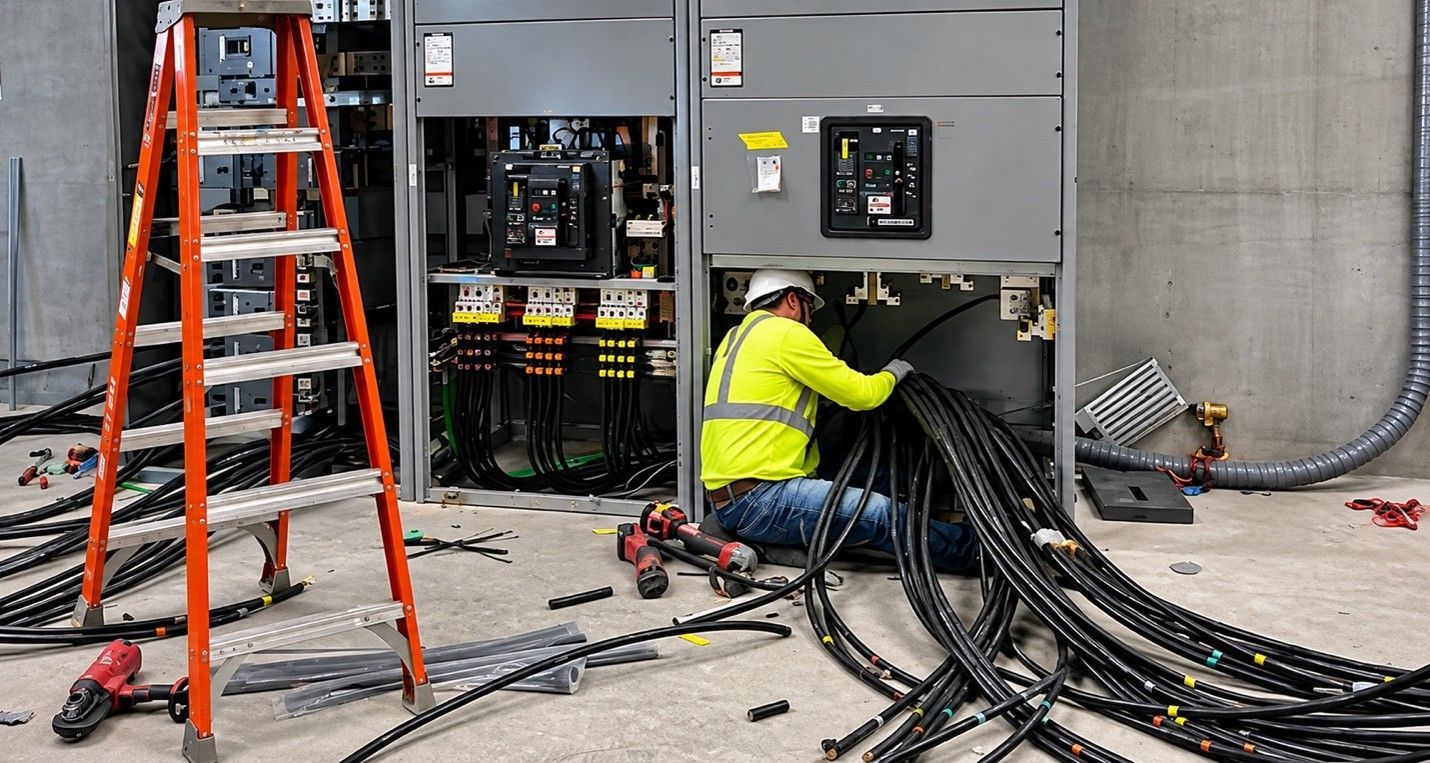
Automotive equipment installation plays a critical role in ensuring these systems are properly connected, integrated, and prepared for operation. Whether a manufacturer is introducing new machinery, expanding production capacity, or upgrading existing equipment, professional installation services can help reduce downtime, improve reliability, and support long-term operational success.
With over 40 years of experience, Recore Electric provides industrial equipment installation services for complex manufacturing environments, including the automotive industry. Our team specializes in equipment connections, troubleshooting, and electrical solutions that help manufacturers adapt to changing production demands.
What Is Automotive Equipment Installation?
Automotive equipment installation involves setting up, connecting, integrating, and preparing machinery used throughout vehicle and automotive component manufacturing facilities.
These installations often require specialized electrical knowledge because modern automotive production relies heavily on automated equipment, advanced control systems, and interconnected machinery.
Common equipment found in automotive manufacturing facilities includes:
- Assembly line equipment: Machinery used to assemble vehicle components and finished products.
- Robotic manufacturing systems: Automated equipment supporting welding, material handling, and assembly operations.
- Conveyor systems: Equipment responsible for transporting materials and components between production stages.
- Stamping and fabrication machinery: Industrial equipment used to shape, cut, and manufacture automotive components.
- Testing and inspection equipment: Systems used to verify product quality and manufacturing consistency.
- Industrial control systems: Electrical controls and automation equipment that coordinate manufacturing processes.
Proper automotive manufacturing equipment installation requires careful planning and coordination to ensure new machinery integrates with existing facility infrastructure.
Why Professional Automotive Equipment Installation Matters
Automotive manufacturing facilities operate under demanding production schedules. Equipment installation mistakes can lead to delays, unexpected shutdowns, and costly repairs.
Working with experienced industrial electrical contractors helps manufacturers address installation challenges before they affect production.
1. Minimizing Production Downtime
Downtime is one of the biggest concerns during equipment upgrades or facility expansions.
Professional installation teams coordinate electrical connections, equipment integration, and testing to help reduce interruptions to existing operations.
Careful scheduling and troubleshooting can also help manufacturers transition between production configurations without unnecessary delays.
2. Improving Equipment Reliability
Industrial equipment must operate consistently under demanding conditions.
Improper electrical connections, inadequate power distribution, or installation errors can contribute to equipment failures and inconsistent performance.
Experienced installation professionals help identify potential problems, verify electrical connections, and support reliable equipment operation.
3. Supporting Workplace Safety
Automotive manufacturing environments contain powerful electrical systems, automated machinery, and equipment with multiple energy sources.
According to the Occupational Safety and Health Administration (OSHA), hazardous energy control procedures are essential when servicing and maintaining machinery.
Proper equipment installation should account for electrical safety, energy isolation, equipment accessibility, and applicable safety requirements.
4. Preparing Facilities for Future Growth
Manufacturing operations continually evolve as companies introduce new vehicle designs, production methods, and technologies.
Professional automotive equipment installation helps facilities accommodate new machinery, production line reconfigurations, and future operational expansions.
Electrical Requirements for Automotive Manufacturing Equipment Installation
Electrical infrastructure is one of the most important considerations when installing automotive manufacturing equipment.
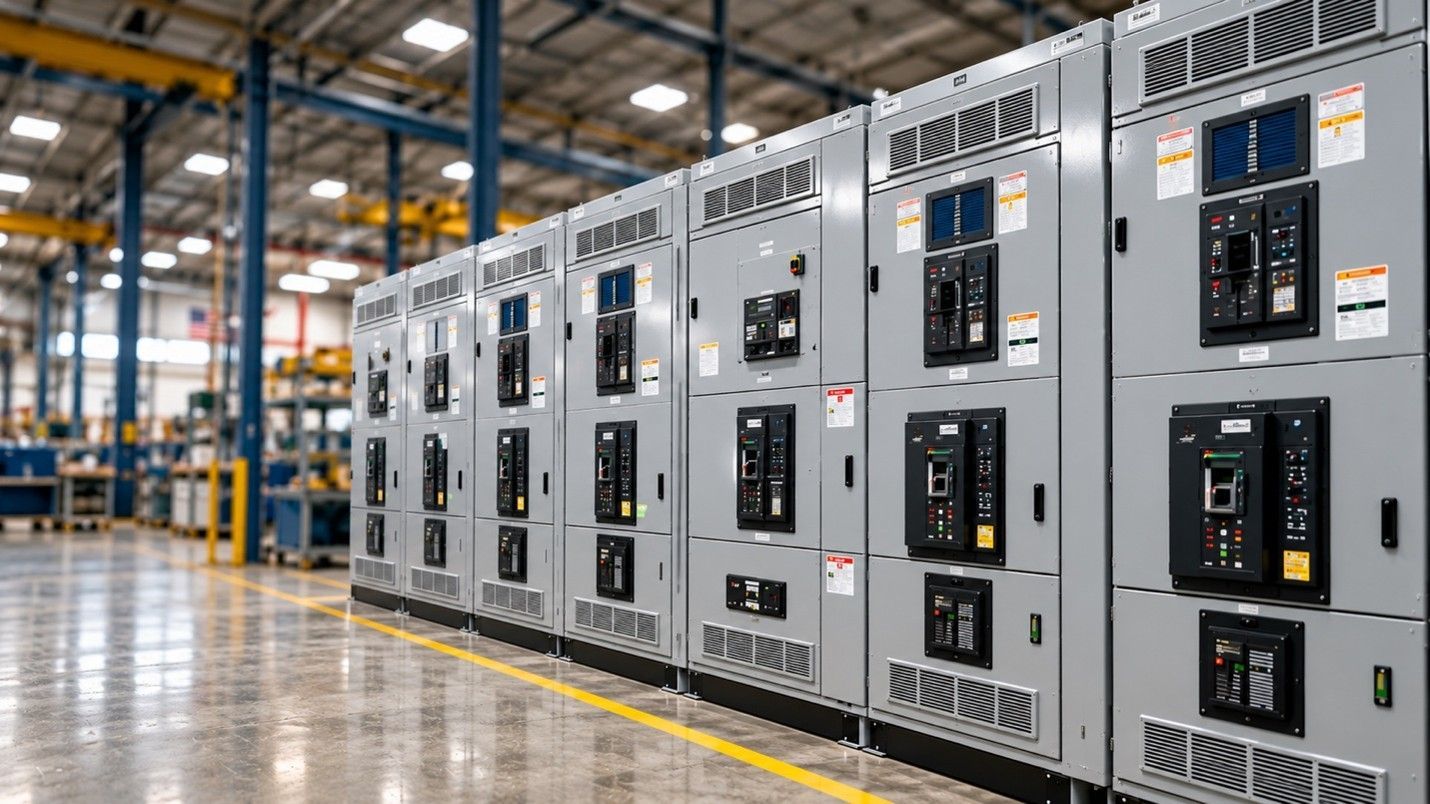
Modern production machinery often requires substantial electrical capacity, dependable power distribution, and precise coordination between equipment and control systems.
Before installation begins, contractors should evaluate several important factors.
Electrical capacity and power distribution
New machinery can increase a facility's electrical demand. Existing electrical infrastructure must be evaluated to determine whether it can support additional equipment safely and reliably.
Equipment connections
Manufacturing machinery requires correctly installed electrical connections that meet equipment specifications and applicable electrical codes.
Control system integration
Automated equipment frequently communicates with other machines, sensors, and production control systems. Electrical installation must support these connections and their intended operation.
Testing and troubleshooting
After installation, electrical testing and troubleshooting help identify connection problems, control issues, or equipment malfunctions before full production begins.
The National Fire Protection Association (NFPA) provides electrical safety resources that emphasize the importance of reducing electrical hazards in industrial environments.
These considerations make experienced electrical installation teams especially valuable during automotive manufacturing projects.
Automotive Production Line Installation and Reconfiguration
Automotive manufacturers regularly modify production lines to accommodate new products, improve efficiency, or increase manufacturing capacity.
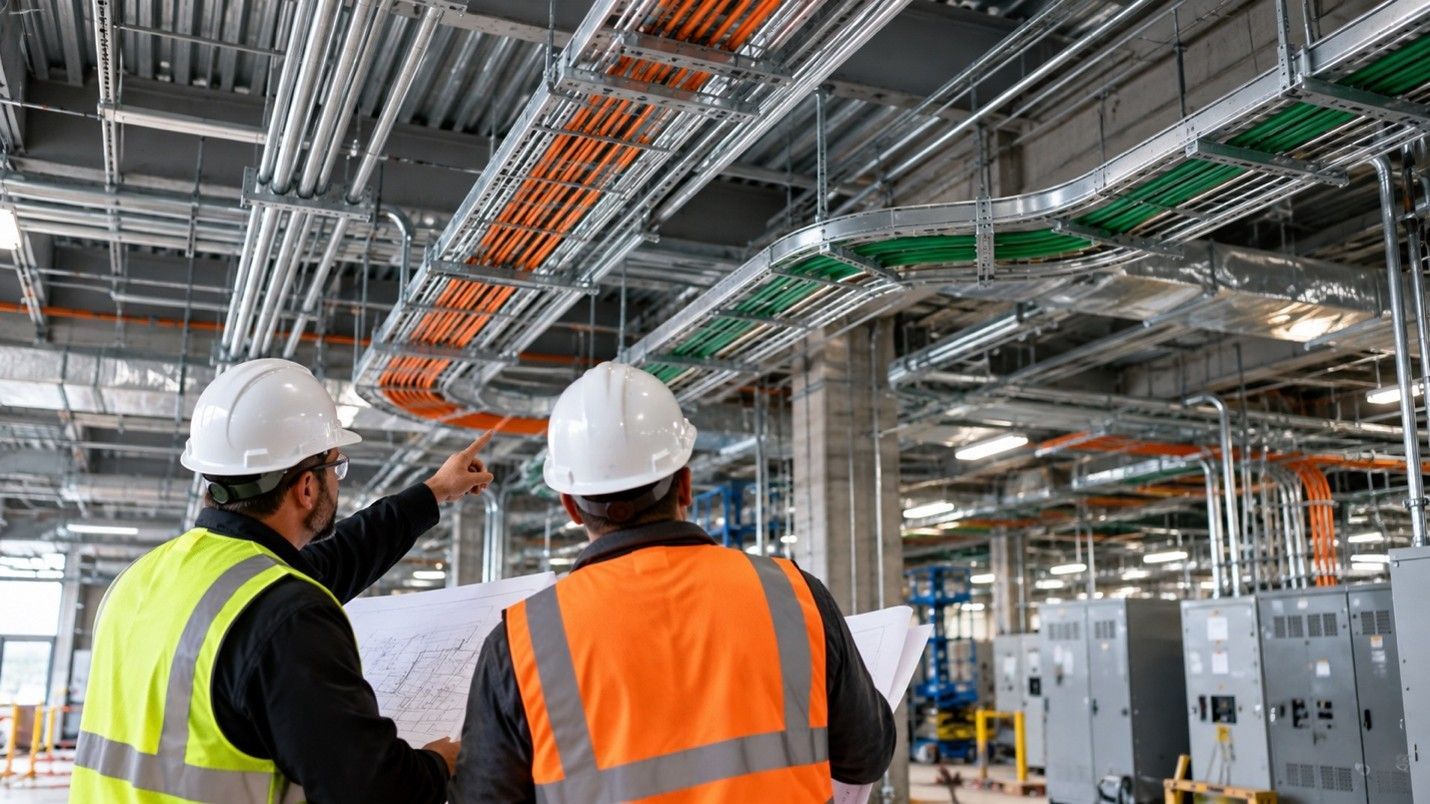
These changes may involve relocating machinery, adding automated equipment, modifying electrical connections, or integrating entirely new production systems.
Automotive production line installation requires careful coordination because changes to one piece of equipment can affect multiple stages of the manufacturing process.
For example, adding a new robotic assembly station may require updated electrical distribution, new equipment connections, and adjustments to existing production controls.
Similarly, expanding a conveyor system may require additional electrical infrastructure to support increased equipment demands.
Experienced installation contractors help manufacturers navigate these changes while maintaining a focus on operational continuity.
Recore Electric brings decades of industrial installation experience to these projects, helping facilities transition into increased production, new product configurations, and expanded operations.
Troubleshooting and Improving Existing Manufacturing Equipment
Automotive equipment installation is not limited to new machinery.
Many manufacturing facilities rely on existing equipment that must be maintained, modified, or upgraded to meet changing operational requirements.
Electrical troubleshooting can help identify issues such as:
- Intermittent equipment failures
- Faulty electrical connections
- Control system communication problems
- Inconsistent equipment performance
- Electrical distribution limitations
- Problems following machinery relocation or reconfiguration
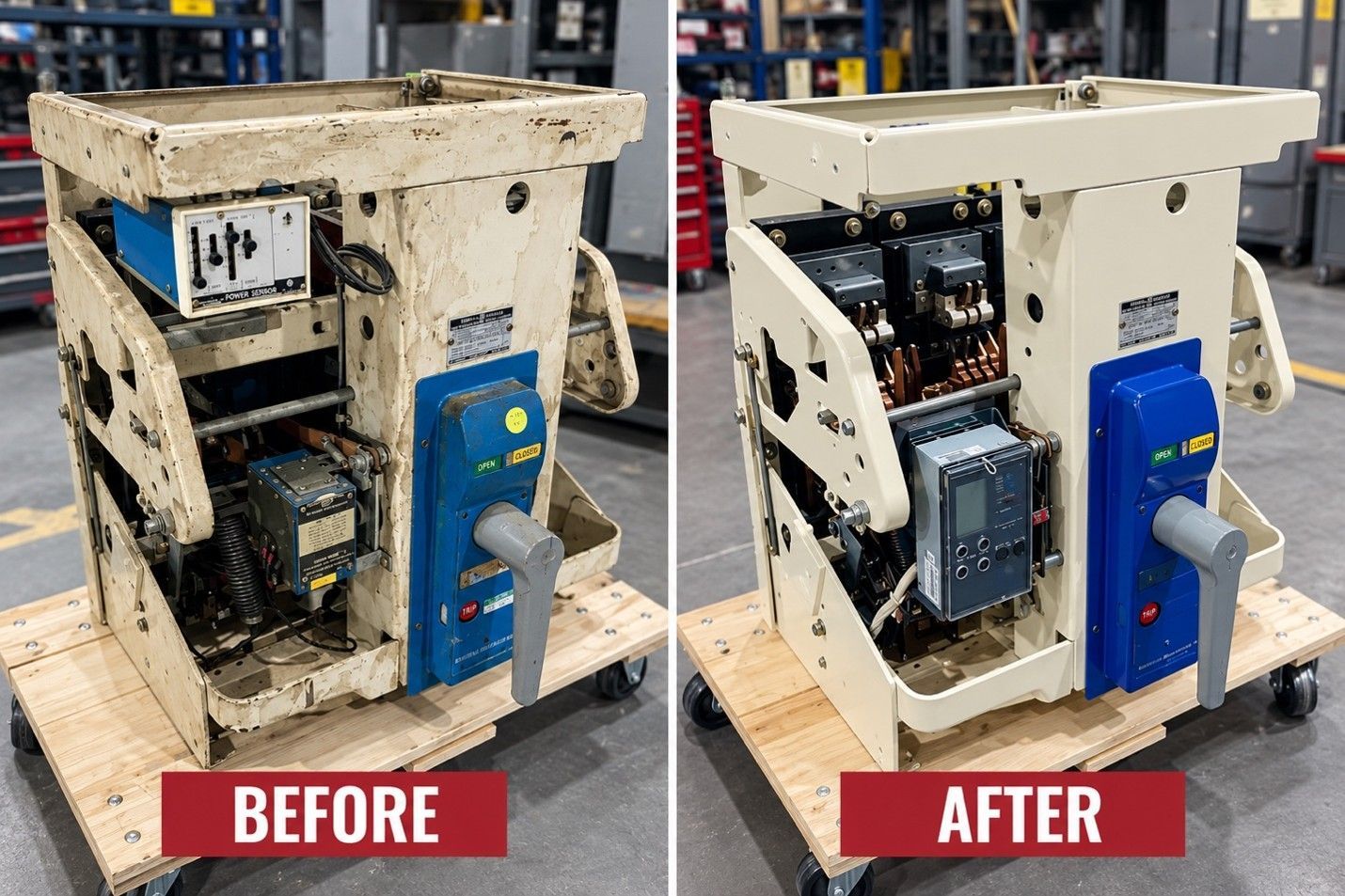
Identifying and resolving these challenges can help manufacturers extend the useful life of existing equipment and reduce disruptions.
Recore Electric has built a reputation for creative solutions and time-saving techniques that help industrial facilities overcome equipment installation and troubleshooting challenges.
Rather than focusing exclusively on new installations, our team also helps manufacturers improve existing machinery and adapt their operations to changing production requirements.
Choosing an Automotive Equipment Installation Contractor
Selecting the right contractor is an important decision for any automotive manufacturing facility.
Manufacturers should look for a team with extensive industrial experience, strong electrical capabilities, and an understanding of complex production environments.
Important considerations include the contractor's experience with manufacturing equipment, ability to troubleshoot existing machinery, understanding of industrial electrical systems, and capacity to coordinate installations around production schedules.
A qualified installation partner should also understand that every facility has unique operational requirements.
Equipment layouts, electrical infrastructure, production demands, and expansion plans can vary significantly between manufacturing locations.
Working with an experienced contractor helps ensure installation strategies are tailored to the facility rather than relying on a one-size-fits-all approach.
Why Choose Recore Electric for Automotive Equipment Installation?
For over 40 years, Recore has provided equipment installation expertise across manufacturing and industrial environments.
Our experience allows us to support projects ranging from new equipment connections to troubleshooting and improving existing machinery.
We understand that automotive manufacturers need more than equipment connected to a power source. They need dependable electrical infrastructure, efficient installation processes, and practical solutions that support their production goals.
Whether your facility is expanding operations, introducing new manufacturing equipment, or reconfiguring an existing production line, Recore Electric brings the experience and problem-solving capabilities needed to support your project.