
Infrared Windows for Industrial Facilities: A Safer Way to Inspect Electrical Equipment
Opening an energized electrical enclosure just to perform a thermal scan should not be standard practice anymore. It creates unnecessary arc flash exposure, demands heavy PPE, and puts technicians at risk every single time it happens. There is a better way, and it has been available for years. Infrared windows for industrial facilities are one of the most practical upgrades a plant can make to its electrical maintenance program, and at Recore Electric, we have been installing them at customer sites across the Southeast as a core part of a safer, smarter approach to infrared inspection.
If your facility is still pulling panel covers every time a thermographer comes through, this post explains what infrared windows are, what they deliver, and why the facilities that install them rarely want to go back.
What Are Infrared Windows?
Infrared windows, also called IR windows or thermal imaging windows, are engineered inspection portals installed directly into electrical enclosures, switchgear, motor control centers, transformers, and distribution panels. They consist of a lens material that is transparent to infrared radiation, mounted in a durable frame that is rated to match the enclosure's IP or NEMA classification.
When an infrared window is properly installed, a thermographer can place a thermal camera directly against the lens and capture a full thermal image of the internal components, bus connections, breaker contacts, and wiring, all without opening the enclosure, without removing a cover, and without placing any person inside the arc flash boundary of live equipment.
The lens materials used in industrial infrared windows are engineered specifically for thermal transmission. Common options include calcium fluoride, zinc selenide, and proprietary polymer compounds, each optimized for specific thermal wavelength ranges and environmental conditions. Frame materials are selected to match the mechanical and environmental demands of the installation, from indoor MCC rooms to outdoor substations operating in harsh conditions.
The result is a permanent, repeatable inspection point built into the enclosure itself.
The Arc Flash Problem That IR Windows Solve
To understand why infrared windows matter so much in an industrial setting, it helps to understand what happens without them.
Traditional infrared inspection of electrical equipment requires opening the enclosure to give the thermographer a direct line of sight to internal components. The moment a panel cover is removed or a door is opened on energized equipment, the person doing the work enters the arc flash boundary. Arc flash is one of the most violent hazards in industrial electrical work. According to OSHA's guidance on electric-arc flash hazards, arc flash events can cause life-altering injuries from burns, pressure waves, and shrapnel, and they can happen in milliseconds with no warning. OSHA's hierarchy of controls places engineering controls above administrative controls and PPE as the preferred method of protecting workers. Infrared windows are exactly that: an engineering control that removes the need to open energized equipment at all.
When a thermographer scans through an installed infrared window, they never open the enclosure. They never enter the arc flash boundary. The risk associated with opening that panel is not managed through PPE or careful procedure; it is eliminated entirely because the panel is never opened. That is the distinction that makes infrared windows so significant from a safety standpoint.
This connects directly to requirements under NFPA 70E, the Standard for Electrical Safety in the Workplace, which governs energized electrical work in industrial and commercial facilities. NFPA 70E establishes a hierarchy of risk reduction that starts with eliminating the need for energized work wherever possible. Infrared windows support that hierarchy by allowing facilities to perform essential thermal inspections without any energized work exposure whatsoever. NFPA 70E Table 130.5(C) specifically identifies infrared thermography conducted outside the restricted approach boundary, without opening doors or covers, as a task with no likelihood of arc flash occurrence. Infrared windows make that condition achievable on a permanent, repeatable basis across an entire facility's electrical infrastructure.
What Infrared Windows Deliver: Four Practical Benefits
Beyond the safety case, infrared windows fundamentally change how a facility's IR inspection program operates. Here is what plants consistently experience after installation.
1. Inspections Up to 90% Faster
Opening an electrical enclosure for a traditional infrared scan involves securing the area, donning full arc-rated PPE, carefully removing covers or opening doors, scanning, re-securing everything, and logging out. Each enclosure can take significantly more time than the scan itself. With infrared windows installed, the thermographer walks up to the enclosure, positions the camera against the lens, captures the thermal image, and moves on. The result is inspection times that are often up to 90% faster than traditional open-panel scanning, which means more of the facility gets inspected in a single visit and inspection programs become genuinely sustainable.
2. No Shutdowns Required
Traditional infrared inspection under full safety protocols sometimes requires de-energizing equipment to manage risk during panel access, which means coordinating outages and dealing with production interruptions. Infrared windows completely eliminate this requirement. Inspections are conducted while equipment is fully energized and under normal operating load, which is actually the optimal condition for thermal imaging since heat signatures are most meaningful when the system is running. Facilities can schedule IR inspections during normal production hours without any impact on operations.
3. Consistent, Repeatable Data for Trending
One of the most underappreciated benefits of infrared windows is the consistency they create in inspection data. When every scan is taken through a fixed, known lens at a standardized distance, with documented emissivity characteristics and the same field of view each time, the data produced is genuinely comparable across inspection cycles. That consistency makes thermal trending possible. A hot spot that is 5 degrees warmer than last year tells a very different story than a one-time anomaly, and that kind of trending insight is what separates reactive maintenance from predictive maintenance. As we covered in our blog on NETA-certified testing for industrial electrical systems, the most valuable maintenance programs combine multiple diagnostic tools and build a longitudinal picture of equipment health over time. Infrared windows make that possible for thermal data.
4. Compliance With NFPA 70E and CSA Z462
For facilities operating under NFPA 70E or the Canadian equivalent CSA Z462, infrared windows directly support compliance by enabling regular thermal inspections without energized work exposure. NFPA 70B, the Recommended Practice for Electrical Equipment Maintenance, calls for infrared thermography of electrical systems at intervals not exceeding 12 months. Meeting that frequency requirement is practically and economically difficult when every scan requires full arc-rated PPE and panel access. With infrared windows, annual or more frequent scanning becomes routine and manageable, turning a compliance obligation into a genuine operational advantage.
Where Infrared Windows Are Installed in Industrial Facilities
IR windows can be installed on virtually any enclosed electrical equipment that benefits from periodic thermal inspection. In industrial facilities, the most common and highest-value installation locations include the following.
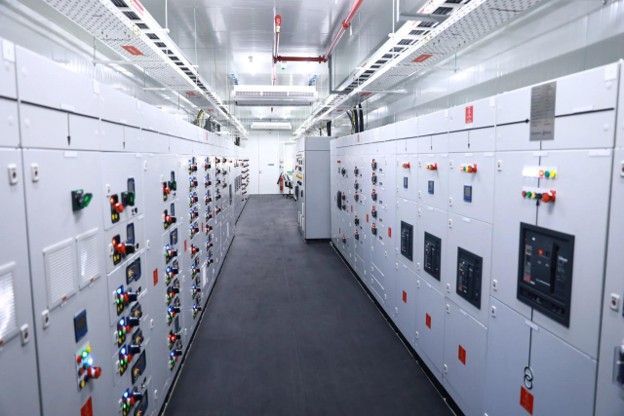
Motor Control Centers (MCCs) are among the most frequently scanned pieces of electrical equipment in any industrial plant, and they often have dozens of compartments that each require individual access during traditional scanning. IR windows on MCC compartments dramatically accelerate the inspection process while eliminating repeated panel opening events.
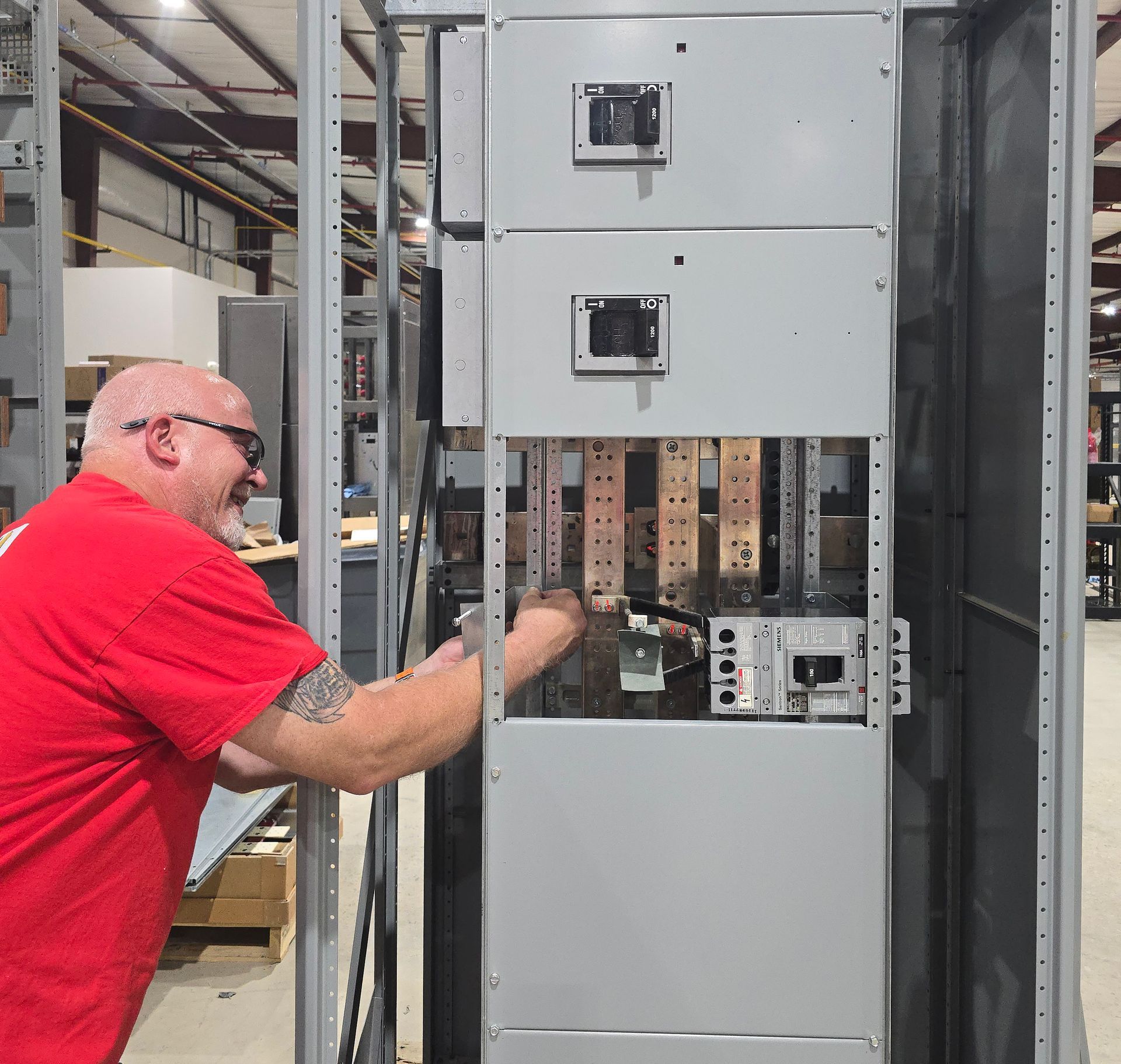
Switchgear and Distribution Panels carry high fault current capacity, making arc flash exposure during open-panel scanning particularly dangerous. IR windows on switchgear provide the highest safety return of any installation location because they eliminate exposure at precisely the point where the hazard is greatest.
Transformers and Bus Duct benefit from infrared windows when connection points and insulation surfaces need to be monitored for thermal anomalies over time. These components are often in high-voltage sections of the facility where energized work is most consequential.
Disconnect Switches and Breaker Panels that are scanned as part of routine service and maintenance programs are excellent candidates, particularly in facilities where production schedules make panel access difficult to schedule during normal operations.
Control Panels in automation-intensive environments are another common installation point, particularly where control wiring, terminal blocks, and power supplies need to be monitored as part of a comprehensive industrial automation maintenance approach.
Infrared Windows as Part of a Comprehensive Inspection Program
Infrared windows do not replace Recore's IR Studies service; they make it significantly more effective. When our certified thermographers scan a facility equipped with IR windows, they can cover more equipment in less time, produce more consistent data, and do so without any of the safety exposure associated with open-panel scanning. The combination of trained personnel, calibrated thermal imaging equipment, and properly installed IR windows is what produces inspection data that is actually useful for maintenance decision-making.
That data, in turn, feeds into the broader engineering and maintenance programs that keep a facility's electrical systems running safely and reliably. Thermal findings that reveal developing connection problems connect directly to arc flash risk, which is why IR inspection programs work best when they are coordinated with a facility's arc flash study. A hot spot on a bus connection changes the fault energy calculation at that point in the system, and an up-to-date arc flash study should reflect current equipment condition.
Similarly, as we discussed in our blog on CAD design in industrial electrical projects, accurate documentation of where IR windows are installed and what equipment they cover is part of building an electrical maintenance program that stays organized and effective over time. Documenting window locations, lens specifications, and scan positions as part of the facility's electrical record set makes future inspections faster and ensures that new personnel can execute the program without starting from scratch.
Power quality issues can also contribute to thermal anomalies that IR windows help detect early. Harmonic-related heating in distribution equipment, capacitor bank degradation, and load imbalances often manifest as thermal signatures before they cause failures or show up in other diagnostic data.
Planning an IR Window Installation
Installing infrared windows is a straightforward process when handled by an experienced electrical contractor familiar with the equipment being modified. The key decisions involve selecting the right lens material and frame size for each enclosure type, matching the window's IP or NEMA rating to the installation environment, positioning the window to provide the optimal field of view for the equipment being inspected, and ensuring the installation does not compromise the enclosure's structural or environmental ratings.
At Recore, we assess each enclosure individually and select IR windows that are appropriate for the equipment type, the operating environment, and the specific components that need to be monitored. We document each installation location and provide clients with the lens specifications needed to correctly configure their thermal camera settings for accurate temperature measurement through each window.
For facilities that are new to IR window technology, a practical starting point is prioritizing the highest-criticality and highest-hazard equipment first: the switchgear, the main distribution panels, and the MCCs that feed critical production loads. From there, the program can expand to cover additional equipment as the value of the data and the efficiency of the inspections become clear.
If your facility is relying on open-panel scanning for thermal inspections, or if your IR program has stalled because of the time and PPE burden it creates, infrared windows are the most direct path to a safer and more sustainable program.
Contact Recore Electric to discuss IR window installation at your facility or to schedule an infrared inspection with our certified thermography team.