
NETA-Certified Testing for Industrial Electrical Systems: Why It Matters
When an industrial facility brings new electrical equipment online or needs to verify the reliability of aging systems, the question of who performs the testing and what standard they follow matters enormously. NETA-certified testing has become the benchmark for independent, third-party electrical testing in industrial environments across the United States. For plant managers, facility engineers, and operations leaders responsible for electrical system reliability, understanding what NETA-certified testing involves and what it delivers is essential knowledge.
At Recore Electric, our employees are NETA-certified testing professionals on industrial projects throughout the Southeast. This guide explains the NETA standard, the types of testing it governs, and how NETA-certified testing integrates with the broader electrical services your facility depends on.
What Is NETA-Certified Testing?
NETA stands for the InterNational Electrical Testing Association. Founded in 1972, NETA is an ANSI-accredited standards developing organization whose mission is to serve the electrical testing industry by establishing testing standards, accrediting independent testing firms, and certifying electrical testing technicians. NETA-certified testing refers to electrical testing work performed in accordance with NETA's published standards by technicians who hold NETA certification and are employed by NETA-accredited companies.
According to NETA's own published standards and accreditation framework, the organization produces four primary ANSI-accredited standards that govern electrical testing work in industrial and commercial facilities:
ANSI/NETA ATS covers acceptance testing specifications for new electrical power equipment and systems, establishing the testing requirements that must be met before new equipment is placed into service.
ANSI/NETA MTS covers maintenance testing specifications for existing electrical power equipment and systems, defining the testing protocols that verify continued system reliability over time.
ANSI/NETA ECS covers electrical commissioning specifications, addressing the process of verifying that new electrical systems perform according to design intent before they are turned over to the facility.
ANSI/NETA ETT establishes the standard for certification of electrical testing technicians, defining the competency requirements that individual technicians must demonstrate to earn NETA certification.
Taken together, these standards define a comprehensive framework for electrical testing work in industrial facilities from initial commissioning through the ongoing maintenance lifecycle.
Why NETA-Certified Testing Is Not the Same as Standard Electrical Testing
Not all electrical testing is equal. A general electrician inspecting a panel and a NETA-certified technician performing acceptance testing on a medium-voltage switchgear assembly are performing fundamentally different work under fundamentally different standards.
NETA-certified testing is defined by three characteristics that distinguish it from routine electrical inspection and maintenance work.
Independence. NETA-accredited companies are required to be independent, third-party testing firms with no affiliation to equipment manufacturers, electrical contractors, or product distributors. This structural independence is not incidental. It ensures that test results reflect actual equipment performance rather than commercial interests. A NETA-certified tester's obligation is to the accuracy of the data, not to any outcome that benefits a manufacturer or installer.
Technician Competency. NETA certification for individual technicians is earned through examination and verified experience. NETA recognizes multiple certification levels, with technicians progressing from Certified Assistant Technician through Certified Senior Technician based on demonstrated competency in power system testing. Every level requires that the technician be employed by a NETA-accredited company, creating an institutional quality framework around the individual certification.
Calibrated, Documented Testing. NETA-certified testing requires that all testing instruments be calibrated to traceable national standards and that a comprehensive test report be produced documenting the technician's name, testing conditions, instrument calibration records, test results, and pass/fail determinations against established acceptance criteria. This documentation is not just a deliverable. It becomes a permanent record of the system's condition at a specific point in time, with value that extends far beyond the immediate test.
The Two Core Types of NETA-Certified Testing
Industrial facilities typically engage NETA-certified testing at two key points in the lifecycle of their electrical systems: when new equipment is installed, and at regular intervals to verify the continued reliability of equipment already in service.
Acceptance Testing for New Equipment
NETA acceptance testing, governed by the ANSI/NETA ATS standard, is performed on new electrical equipment before it is energized and placed into service. The purpose is to verify that the equipment arrived undamaged, was installed correctly, and meets both factory specifications and the performance requirements of the facility it is being integrated into.
For industrial facilities bringing significant new electrical capacity online, acceptance testing is the last line of defense before commissioning. A switchgear assembly that tests outside acceptable parameters before energization is a problem that can be corrected methodically. The same issue discovered after the system is live and production is running is a much more serious situation.
NETA acceptance testing covers a wide range of equipment types including transformers, switchgear, motor control centers (MCCs), circuit breakers, protective relays, grounding systems, power cables, and variable frequency drives (VFDs). The specific tests applied to each equipment type are defined by the ANSI/NETA ATS standard, giving facilities confidence that every relevant performance parameter has been verified before the system goes into service.
Maintenance Testing for Existing Systems
NETA maintenance testing, governed by the ANSI/NETA MTS standard, is performed on electrical systems already in service to verify that they continue to perform safely and reliably. The NETA standard recommends maintenance testing at intervals that reflect the criticality of the equipment and the demands of the operating environment, with a general recommendation for testing every three years as part of a condition-based maintenance program.
Maintenance testing is the electrical equivalent of a comprehensive physical examination. It identifies developing problems, including insulation breakdown, contact wear, calibration drift in protective relays, and grounding deficiencies, before those problems cause equipment failures, safety incidents, or unplanned downtime.
For facilities with aging electrical infrastructure, NETA maintenance testing provides objective, third-party data on the current condition of the system. That data informs capital planning decisions, helps prioritize maintenance resources, and provides a defensible record of due diligence for safety and insurance purposes.
The OSHA Connection: Qualified Persons and Testing Standards
NETA-certified testing does not exist in isolation from the regulatory environment governing industrial electrical work. OSHA's electrical safety standards for general industry, found in 29 CFR 1910 Subpart S, establish clear requirements around who is qualified to perform electrical testing work and what standards they must follow.
Under 29 CFR 1910.334(c), OSHA requires that only qualified persons perform testing work on electric circuits or equipment. The standard further requires that test instruments and equipment be visually inspected before use, rated for the circuits to which they are connected, and appropriate for the environment in which testing is conducted. These requirements align directly with the competency, equipment calibration, and documentation standards that NETA-certified testing programs are built around.
Facilities that engage NETA-certified testing for their electrical systems are not simply following an industry best practice. They are building an electrical testing program that aligns with OSHA's regulatory framework for qualified electrical work in industrial environments. That alignment matters when OSHA inspectors visit, when insurance underwriters review facility documentation, and when incident investigations require evidence of a facility's electrical safety practices.
What NETA-Certified Testing Covers in an Industrial Facility
A comprehensive NETA-certified testing program for an industrial facility encompasses the full scope of critical electrical equipment. Understanding what gets tested helps facility managers appreciate the breadth of what NETA-certified testing actually protects.
Transformers are tested for insulation integrity, turns ratio, winding resistance, and power factor to verify that they can safely and reliably step voltage up or down under load conditions.
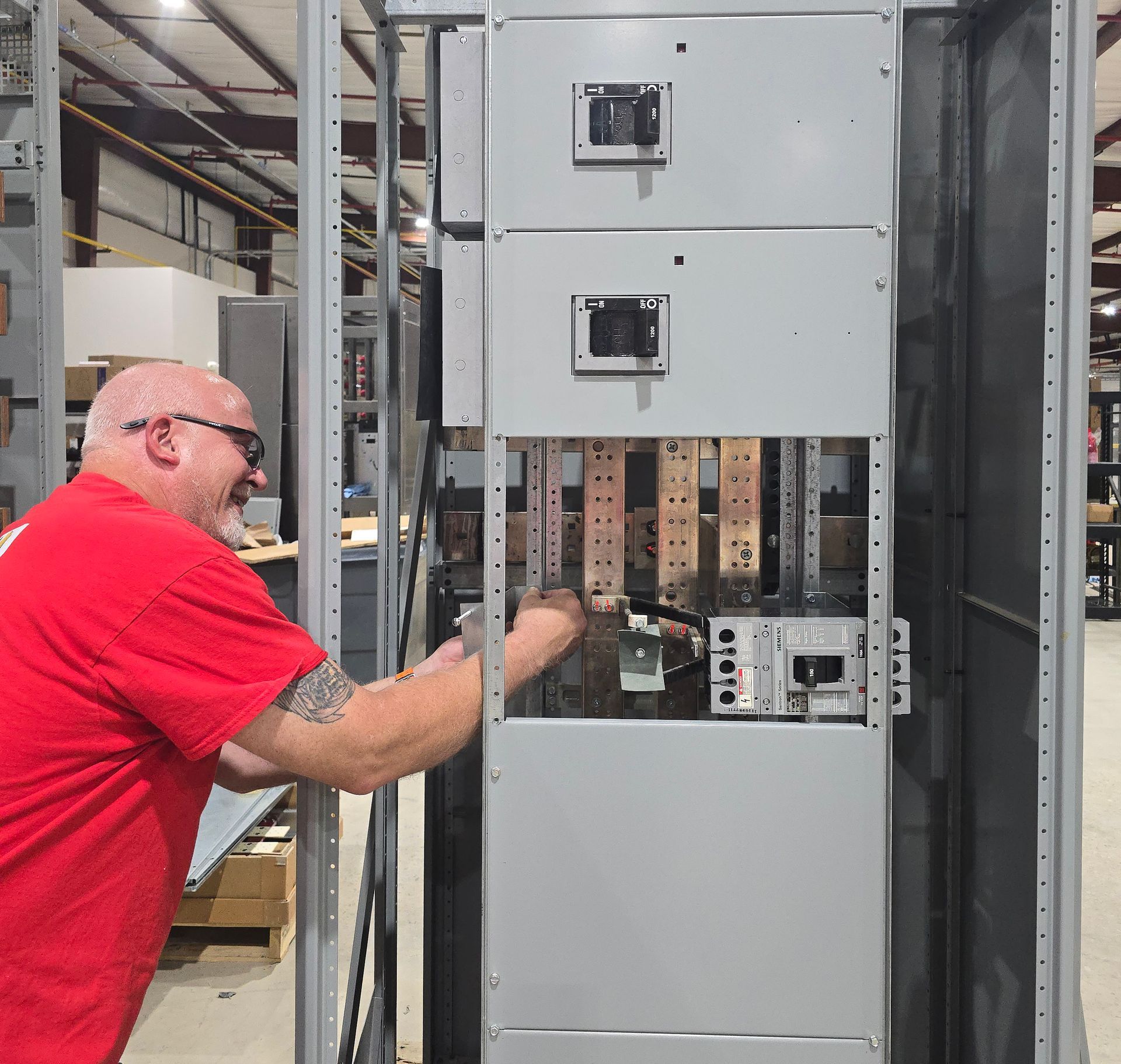
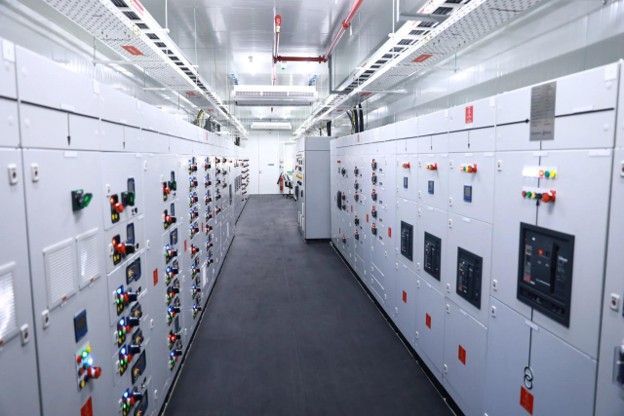
Switchgear and Metal-Clad Assemblies are tested for contact resistance, insulation resistance, and mechanical operation to ensure that circuit interruption under fault conditions will occur reliably and safely.
Circuit Breakers are tested for trip timing, contact resistance, and insulation integrity. A circuit breaker that fails to trip within its rated time during a fault is not protecting the circuit it was installed to protect.
Protective Relays are calibrated and tested for response accuracy. Relay calibration drift is a common finding in maintenance testing and a condition that can allow fault currents to damage equipment or create safety hazards if not corrected.
Grounding Systems are tested for continuity and resistance to verify that the grounding infrastructure provides the fault current paths the electrical system depends on for safety.
Power Cables are tested for insulation integrity using high-potential testing methods that reveal dielectric weakness before it results in insulation failure under normal operating voltages.
Motor Control Centers and Variable Frequency Drives are inspected and tested to verify proper operation, connection integrity, and insulation condition.
For facilities that operate power distribution systems at medium voltage levels, NETA-certified testing is particularly important because the consequences of equipment failure scale with the voltage levels involved.
How NETA-Certified Testing Connects to Other Engineering Services
NETA-certified testing does not stand alone. It is most effective when integrated with the broader engineering and maintenance program that keeps an industrial facility's electrical systems safe and reliable over time.
Arc Flash Studies. NETA-certified testing generates data on protective device performance, clearing times, and system configuration that is directly relevant to arc flash analysis. An accurate arc flash study requires current, verified information about how the electrical system actually performs. NETA testing provides that verification.
Power Quality Inspections. Findings from NETA maintenance testing sometimes point toward power quality issues, including capacitor bank degradation, harmonic-related heating, or voltage imbalance conditions. A power quality inspection can quantify those conditions and identify corrective measures that improve system efficiency and extend equipment life.
Service and Maintenance. When NETA-certified testing identifies deficiencies such as loose connections, worn contacts, or out-of-tolerance protective relay settings, those findings require follow-up maintenance work to correct. Recore's service and maintenance team works directly from NETA test report findings to execute corrective repairs and restore systems to specification.
IR Thermography. Infrared scanning and NETA-certified testing complement each other as diagnostic tools. IR thermography conducted by Recore's IR studies team identifies thermal anomalies under load, while NETA electrical testing verifies the underlying performance parameters of the equipment. Together, they provide a more complete picture of system condition than either approach alone.
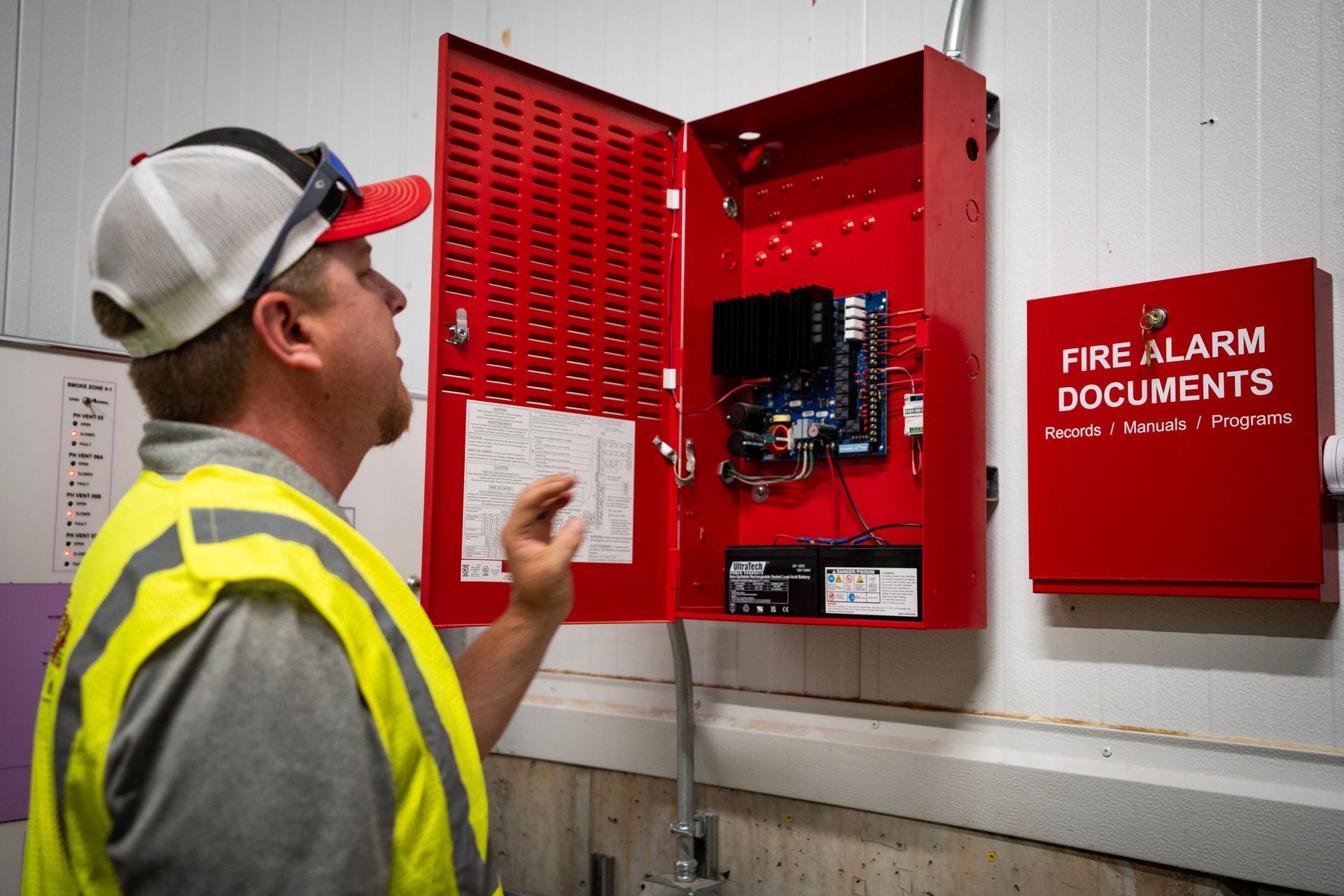
Life Safety Systems. NETA-certified acceptance testing is relevant for life safety electrical equipment including emergency power systems and critical distribution components. Coordinating this testing with life safety system commissioning and inspection ensures that emergency power infrastructure is verified before it is needed.
What to Look for When Engaging NETA-Certified Testing Services
Not every company that performs electrical testing holds NETA accreditation, and not every technician in the field holds NETA certification. When a facility engages testing services for critical electrical equipment, it is worth verifying that the testing firm is a NETA Accredited Company (NAC) and that the technicians performing the work hold current NETA certification. NETA maintains a publicly accessible directory of accredited companies at netaworld.org, making verification straightforward.
A legitimate NETA-certified testing engagement should produce a formal test report that includes the technician's certification information, the calibration status of testing instruments, the specific tests performed and the standards used, raw data from each test, and clear pass/fail designations against the applicable NETA acceptance criteria. If a testing provider cannot deliver that documentation, the testing does not meet the NETA standard regardless of what is claimed.
Planning NETA-Certified Testing for Your Facility
For facilities that have not had formal NETA-certified testing performed, the starting point is typically an assessment of the electrical system's current documentation and a prioritization of equipment by criticality and age. New or recently installed equipment that was not acceptance tested before commissioning is a priority. Aging switchgear, transformers, and protective relays that have not been verified through maintenance testing in several years represent another category of priority items.
Recore's engineering team can assist facilities in understanding where NETA-certified testing fits within their broader electrical maintenance program and how to coordinate testing with planned outages, production schedules, and capital maintenance cycles. For new construction and major equipment installation projects, building NETA acceptance testing requirements into the project scope from the outset is the most efficient approach.
If your facility is due for electrical testing or you are planning a major equipment installation and want to understand how NETA-certified testing should be incorporated into your project, contact Recore Electric today to discuss your situation.