
Motion Control Integration for Facilities: Performance, Precision, and Reliability
Modern facilities depend on automation to maintain productivity, reduce downtime, and improve operational efficiency. Whether operating a manufacturing plant, distribution center, utility facility, food processing operation, or industrial production environment, motion control systems play a critical role in keeping equipment running accurately and reliably.
Motion control technology allows facilities to precisely manage the movement of machinery, conveyors, robotic systems, pumps, motors, and other automated equipment. As facilities continue to modernize, the demand for comprehensive motion control integration for facilities has grown significantly.
At Recore Electric, we integrate all types of motion controllers for facilities of every size and industry. Our team also designs and installs the electrical distribution systems necessary to support these advanced automation solutions, delivering a complete turnkey approach for industrial operations.
What Is Motion Control?
Motion control refers to the coordinated management of movement within a machine or automated system. Rather than functioning as a single piece of equipment, a motion control system consists of multiple components working together to create precise, repeatable motion. These systems typically include controllers, drives, motors, sensors, and feedback devices that communicate continuously to achieve desired performance outcomes.
Motion control systems are used to regulate:
- Position
- Speed
- Acceleration
- Torque
- Direction of movement
- Synchronization between multiple machines
The result is a highly controlled process that improves accuracy, consistency, and production efficiency.
Why Motion Control Integration Matters
Many facilities operate with a mix of legacy equipment, newer automation technologies, and varying communication protocols. Without proper integration, these systems may operate independently, creating inefficiencies and limiting productivity.
Motion control integration connects all these components into a unified system that can be monitored, controlled, and optimized from a central platform.
Benefits of proper integration include:
- Increased production throughput
- Improved product quality
- Reduced downtime
- Better equipment utilization
- Enhanced safety
- Lower operating costs
- Greater scalability for future growth
Modern motion control systems allow facilities to automate complex processes while maintaining exceptional precision and repeatability. This capability is particularly valuable in industries where small variations can result in significant quality or production issues.
Key Components of Motion Control Systems
Successful motion control integration for facilities requires careful coordination of several critical technologies.
Motion Controllers
The motion controller serves as the brain of the system. It processes commands, coordinates movement, and communicates with drives and motors to execute precise actions.
Controllers can operate individual machines or coordinate entire production lines.
Drives
Drives act as intermediaries between the controller and motor. They receive commands from the controller and provide the appropriate power levels needed to achieve the desired motion.
Variable frequency drives (VFDs) are commonly used to control motor speed and improve efficiency.
Motors
Motors convert electrical energy into mechanical movement. Common motion control motor types include:
- Servo motors
- Stepper motors
- AC synchronous motors
- AC induction motors
Each motor type offers unique advantages depending on the application's precision, speed, and load requirements.
Feedback Devices
Encoders, sensors, and monitoring equipment provide real-time performance data. This feedback allows the system to make adjustments and maintain accurate positioning and movement.
Electrical Distribution Infrastructure
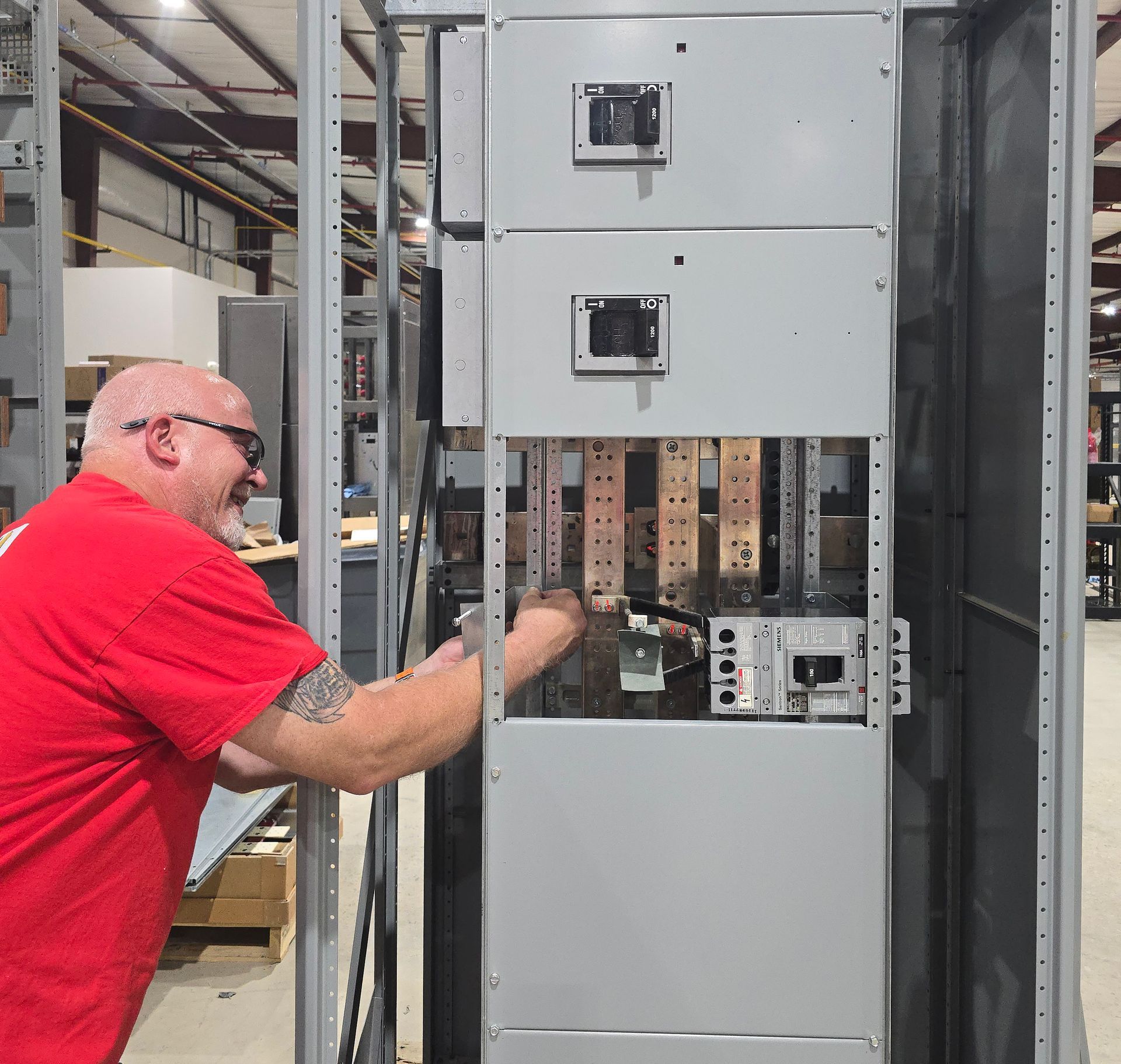
Even the most advanced motion control equipment cannot perform effectively without a properly designed electrical system. Recore Electric installs the electrical distribution infrastructure necessary to support automation systems, ensuring reliable power delivery and long-term performance.
Applications of Motion Control Across Industries
Motion control technology is used in nearly every industrial sector.
Manufacturing
Precise motion control helps maintain product quality while increasing production speed and reducing labor requirements.
Food and Beverage Processing
Food processing facilities rely on motion control for:
- Conveyor systems
- Filling equipment
- Packaging operations
- Sorting systems
- Labeling machines
Accurate motion control ensures consistency while meeting strict production and safety requirements.
Distribution and Logistics
Warehouses and fulfillment centers depend on automated material handling systems to move products efficiently.
Motion control systems support:
- Automated storage systems
- Conveyor networks
- Sortation equipment
- Robotics
- Picking systems
Utility and Energy Facilities
Power generation and utility operations use motion control for pumps, valves, monitoring systems, and automated maintenance processes.
Reliable integration helps improve operational efficiency while reducing equipment wear.
The Importance of Proper Electrical Distribution
Advanced motion control systems often require:
- Dedicated power distribution
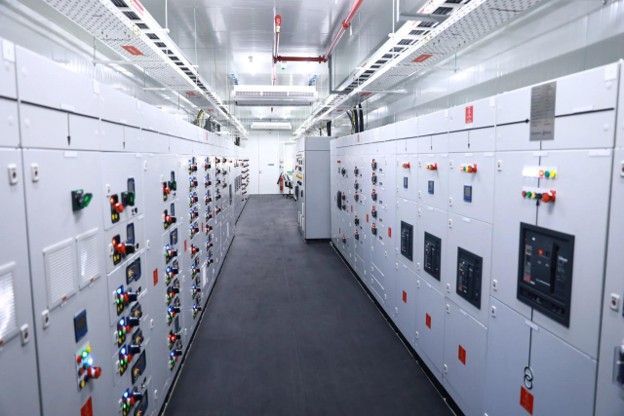
- Motor control centers
- Power quality management
- Backup power solutions
- Grounding systems
- Network communications infrastructure
Poor electrical design can result in nuisance trips, equipment failures, communication issues, and reduced system performance.
Recore Electric provides both motion control integration and electrical distribution installation, ensuring every component works together as a complete system.
This integrated approach reduces project complexity and improves overall reliability.
Energy Efficiency Benefits
Energy efficiency has become a major priority for industrial facilities. Motion control systems can significantly reduce energy consumption by ensuring motors and equipment operate only at the levels necessary to meet demand.
Variable frequency drives and advanced motor controls can:
- Reduce unnecessary motor operation
- Optimize equipment speeds
- Lower energy consumption
- Decrease maintenance requirements
- Extend equipment life
Facilities implementing modern motion control technologies often realize both operational and financial benefits through improved energy performance.
Supporting Industry 4.0 Initiatives
Today's facilities are increasingly adopting Industry 4.0 technologies that rely on connected equipment, real-time data collection, and advanced analytics.
Motion control systems provide the foundation for these initiatives by generating valuable operational data and enabling intelligent automation.
Integrated motion control solutions support:
- Predictive maintenance
- Remote monitoring
- Real-time performance analytics
- Automated diagnostics
- Improved production visibility
Advanced technologies such as artificial intelligence, machine learning, and Industrial Internet of Things (IIoT) platforms continue to expand the capabilities of modern motion control systems.
Why Partner with Recore Electric
Motion control projects require expertise in automation, controls, power distribution, and industrial electrical systems.
At Recore Electric, we provide comprehensive motion control integration for facilities by combining:
- Motion controller integration
- Electrical distribution installation
- Power system design
- Automation support
- Industrial electrical services
- Facility modernization solutions
Our team works with facilities across multiple industries to design and implement systems that improve productivity, efficiency, and reliability.
Whether you are upgrading existing equipment, expanding production capacity, or building a new facility, Recore Electric can deliver the motion control and electrical infrastructure needed to support your operation.
Conclusion
Motion control technology has become a critical component of modern industrial facilities. By integrating controllers, drives, motors, sensors, and electrical distribution systems into a unified solution, facilities can achieve greater precision, efficiency, and operational reliability.
As automation continues to evolve, investing in professional motion control integration for facilities helps organizations improve productivity, reduce downtime, and prepare for future growth.
With extensive experience in both motion control integration and electrical distribution installation, Recore Electric delivers the expertise necessary to help facilities maximize the value of their automation investments.