
Underground Duct Bank Installation: Protecting Electrical Infrastructure
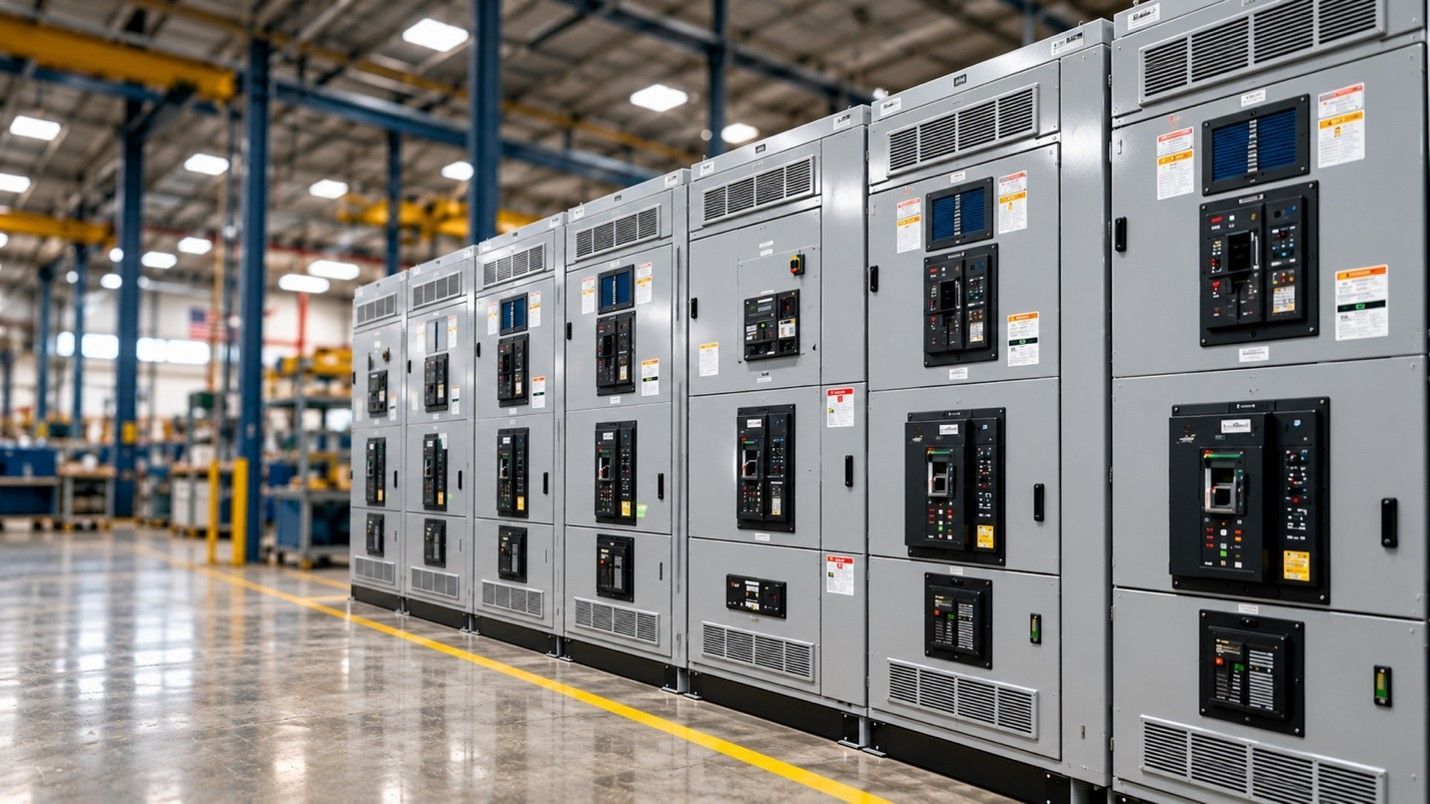
Underground duct banks are one of the most important — and least visible — parts of an industrial or commercial electrical system. Before a facility ever sees power, conductors often need a safe, durable path buried below grade.
Why Underground Duct Banks Matter
A duct bank is a group of conduits installed underground, typically encased in concrete or backfill, to route power and communication cables between switchgear, transformers, and buildings. Routing conductors below grade protects them from physical damage, weather, and traffic loads while keeping site layouts clean and accessible for future maintenance or expansion.

How the Installation Process Works
Installation starts with trenching to the required depth and width based on the number and size of conduits. Conduit runs are carefully spaced and supported to maintain separation and proper slope, then inspected before backfill or concrete encasement. Accurate coordination up front helps avoid conflicts with other underground utilities and keeps the project on schedule.
Key Considerations for Site Electrical Projects
Depth, bend radius, and conduit spacing all affect how easily cables can be pulled later, so these details matter as much as the trenching itself. Soil conditions, water table, and nearby utilities also influence how a duct bank is designed and installed.
Underground duct bank work is easiest to get right the first time. Recore Electrical Contractors provides industrial electrical and design-build engineering services across the Charlotte Metro area, including planning and installing underground electrical infrastructure for commercial and industrial sites. Contact us to discuss your next project.