Electrical System Retrofitting: Modernizing Industrial Equipment
Industrial manufacturing facilities depend on reliable electrical systems, automation technology, and production equipment to maintain operational efficiency. However, as equipment ages and technology advances, outdated systems can become increasingly difficult to maintain, creating production bottlenecks, safety concerns, and unnecessary operating expenses.
System retrofitting provides manufacturers with an effective solution for modernizing aging equipment without completely replacing existing infrastructure. By upgrading electrical components, control panels, and automation systems, industrial facilities can improve performance while extending the operational lifespan of their equipment.
At Recore, we help industrial facilities modernize and simplify their production processes through system retrofitting solutions, including the design, assembly, and wiring of UL-certified control panels.
What Is Electrical System Retrofitting?
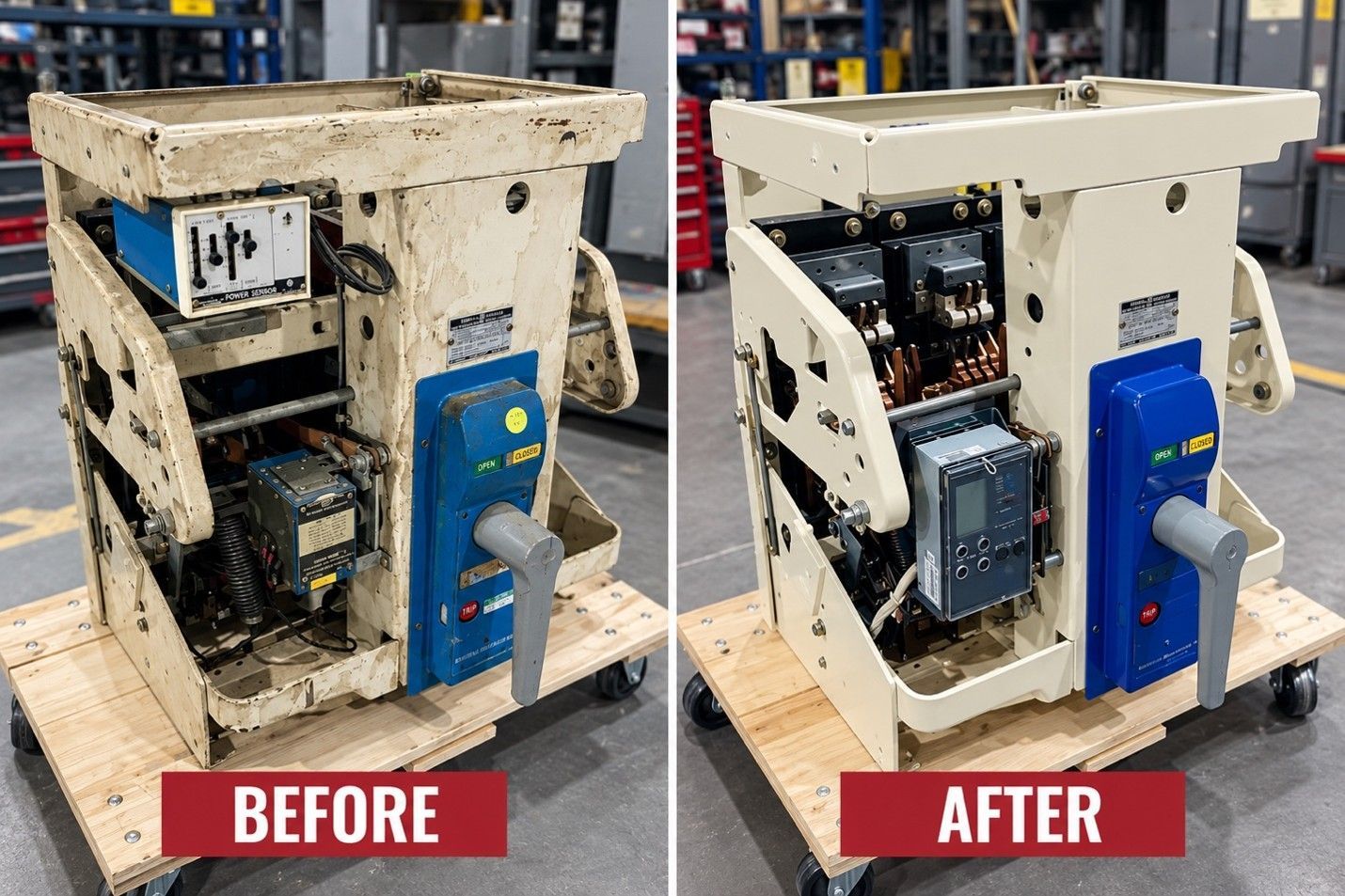
System retrofitting is the process of upgrading existing equipment, electrical infrastructure, and control systems with modern components and technology. Rather than replacing an entire machine or production line, retrofitting focuses on improving specific systems while preserving functional infrastructure.
Industrial system retrofitting projects may include:
- Programmable logic controller (PLC) upgrades
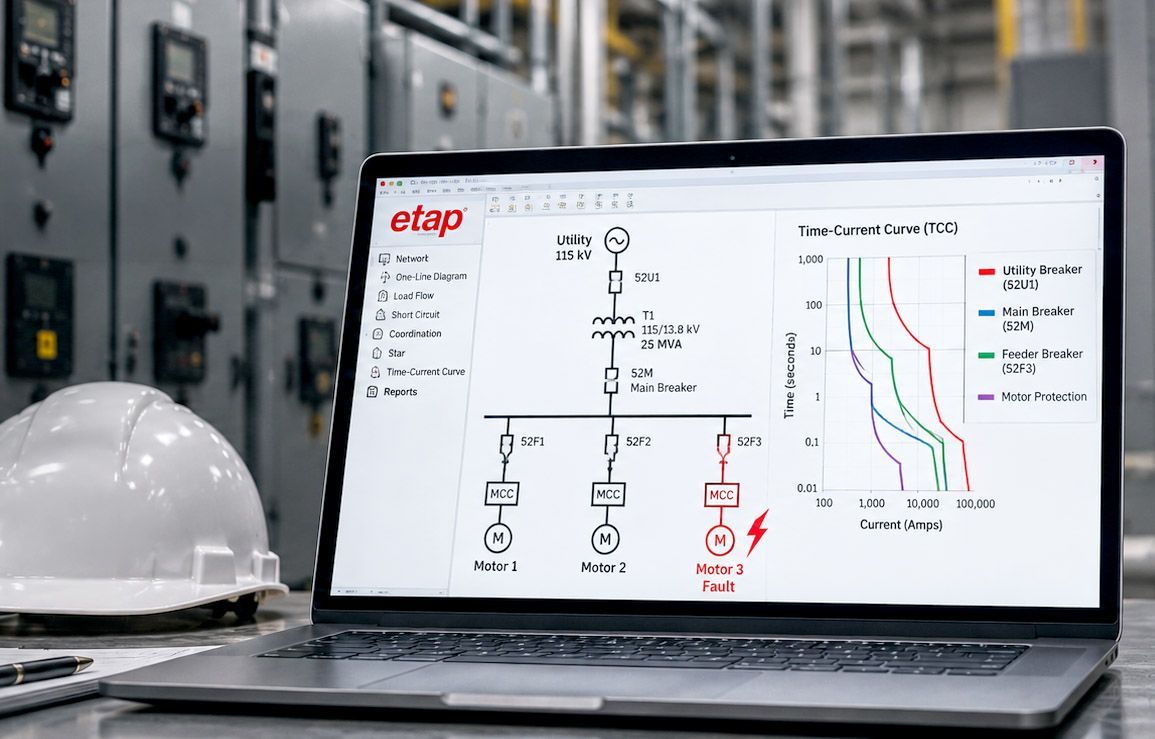
- Electrical control panel replacements
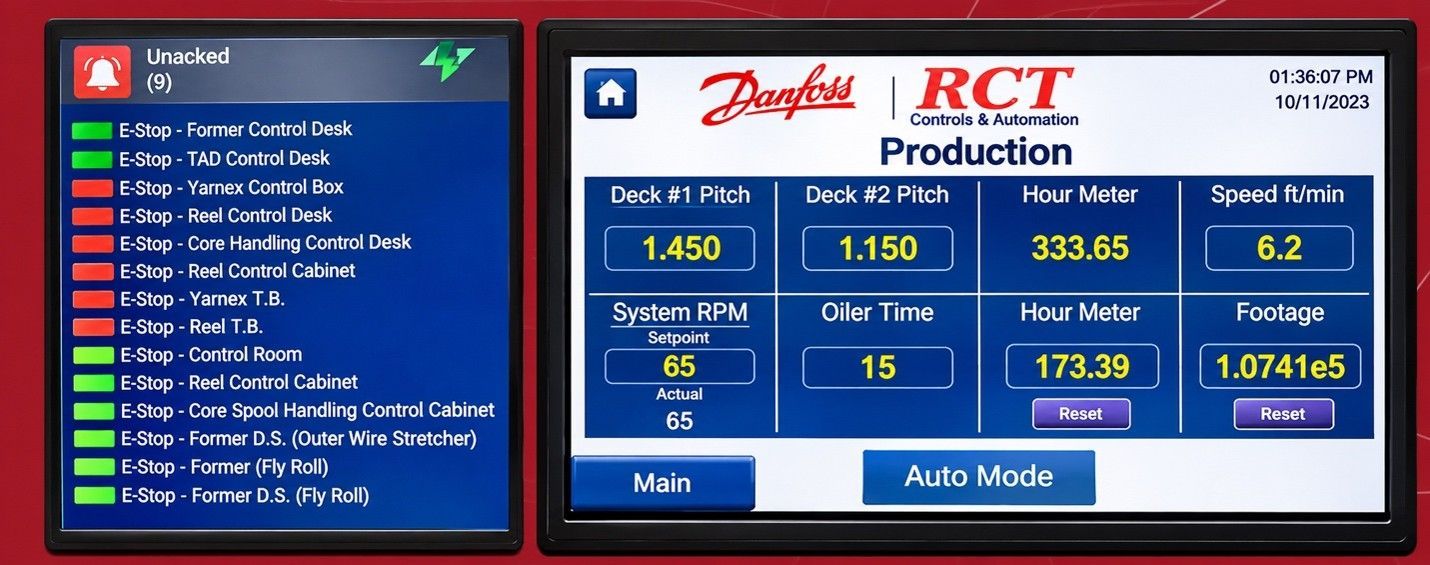
- Human-machine interface (HMI) modernization
- Variable frequency drive (VFD) installations
- Industrial automation upgrades
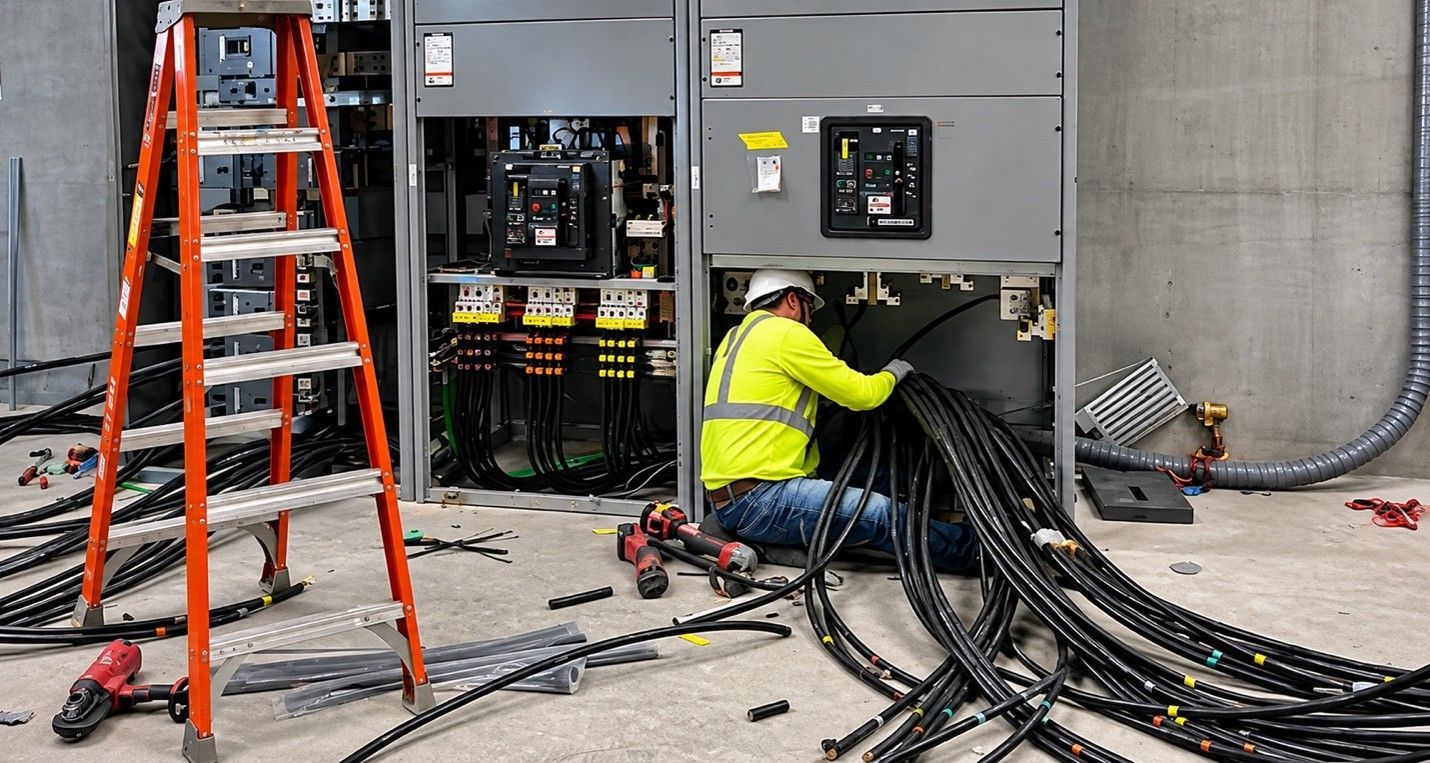
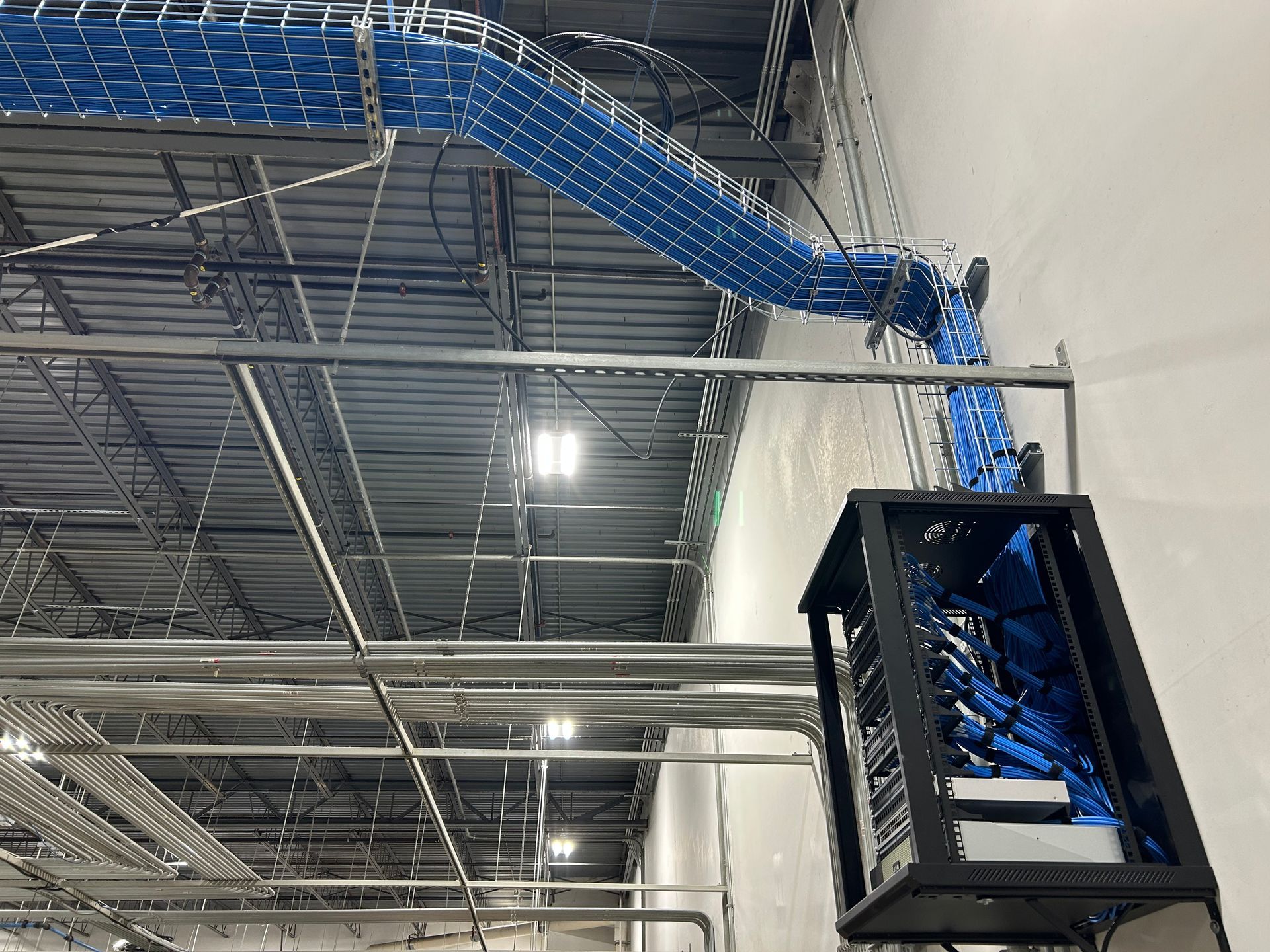
- Electrical wiring and distribution improvements
- Machine safety system upgrades
- Sensor and monitoring system integration
- Motor control system modernization
These improvements allow manufacturers to introduce modern capabilities into existing production environments while protecting previous equipment investments.
Why Industrial Facilities Need System Retrofitting
Manufacturing equipment is often designed to operate for decades. However, the electrical and automation technology supporting that equipment may become obsolete long before its mechanical components reach the end of their useful life.
Outdated controllers, discontinued replacement parts, deteriorating wiring, and limited system compatibility can create significant operational challenges.
As equipment becomes more difficult to maintain, manufacturers may experience longer repair times, increased maintenance expenses, inconsistent production quality, and unexpected equipment failures.
System retrofitting addresses these challenges by replacing outdated components with modern, reliable alternatives. This approach allows facilities to remain competitive without committing to the substantial capital investment associated with complete equipment replacement.
Key Benefits of Industrial System Retrofitting
1. Reduced Equipment Downtime
Unexpected equipment failures can disrupt production schedules, delay customer orders, and increase operating costs.
Retrofitting aging electrical components and control systems can improve equipment reliability while making troubleshooting more efficient.
Modern control systems can also provide enhanced diagnostic capabilities, allowing maintenance teams to identify problems before they develop into major failures.
2. Improved Energy Efficiency
Older electrical equipment and motor control systems may consume more energy than necessary.
According to the U.S. Department of Energy, electric motors used in manufacturing machine drives account for approximately 54% of industrial electricity consumption. The department recommends evaluating overall motor system performance and implementing variable speed controls where appropriate.
Through electrical system retrofitting, manufacturers can incorporate energy-efficient motors, variable frequency drives, and improved controls that better align energy consumption with production requirements.
3. Extended Equipment Lifespan
Replacing an entire production system can require significant financial investment, installation time, and employee training.
System retrofitting allows manufacturers to preserve mechanically sound equipment while upgrading outdated electrical and automation components. This can extend equipment lifespan and help organizations maximize the return on their original investments.
4. Enhanced Workplace Safety
Aging electrical systems may lack modern safety features or contain components that have deteriorated over time.
The Occupational Safety and Health Administration (OSHA) establishes requirements for controlling hazardous energy during equipment servicing and maintenance to protect employees from unexpected equipment startup and energy releases.
System retrofitting provides an opportunity to evaluate existing safety infrastructure and incorporate appropriate protective devices, emergency stops, safety interlocks, and energy isolation equipment.
5. Improved Production Visibility
Modern automation technology provides operators and maintenance personnel with greater insight into equipment performance.
Upgraded control systems can provide real-time production data, equipment status information, fault notifications, and performance monitoring.
This increased visibility supports better operational decisions and more proactive maintenance strategies.
The Role of UL-Certified Control Panels in System Retrofitting
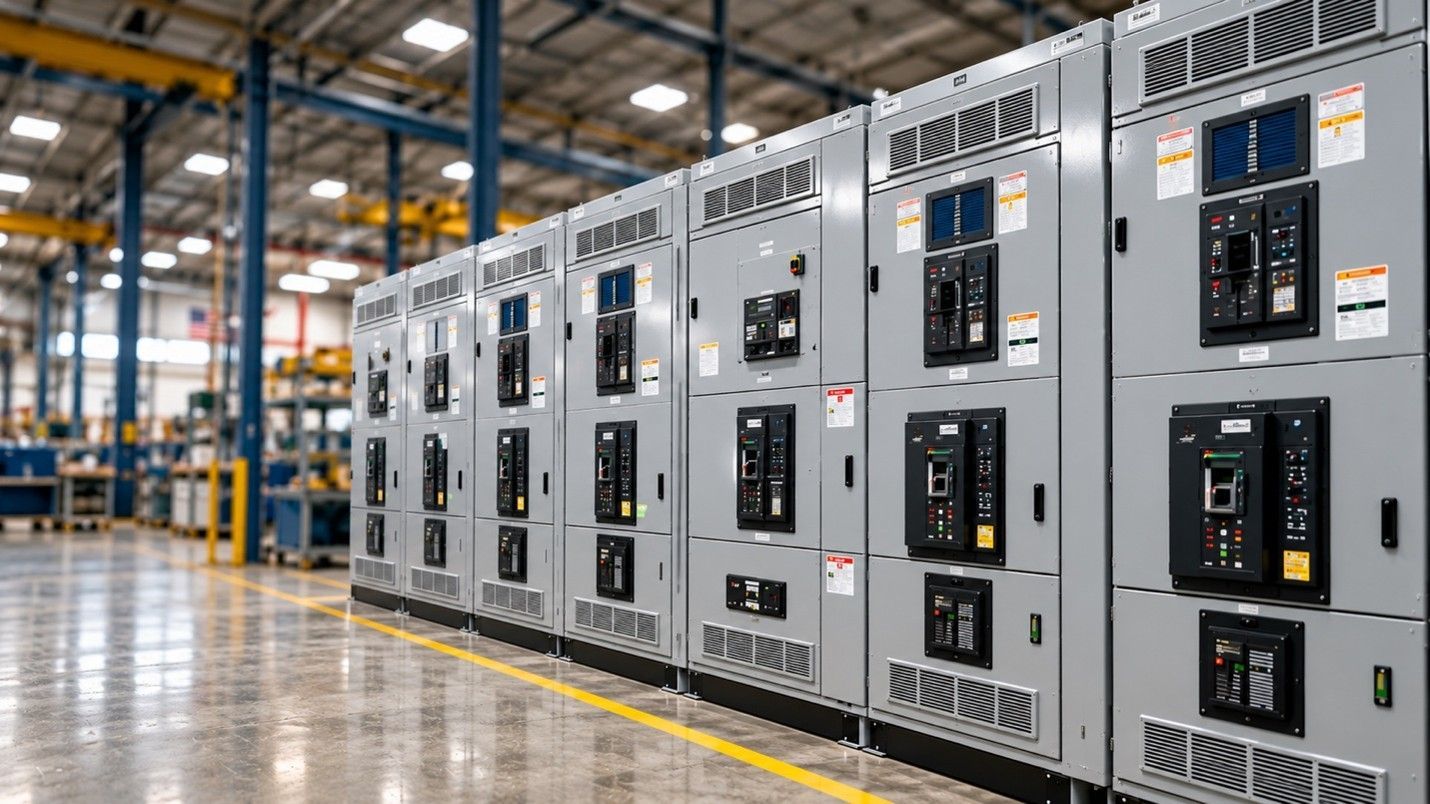
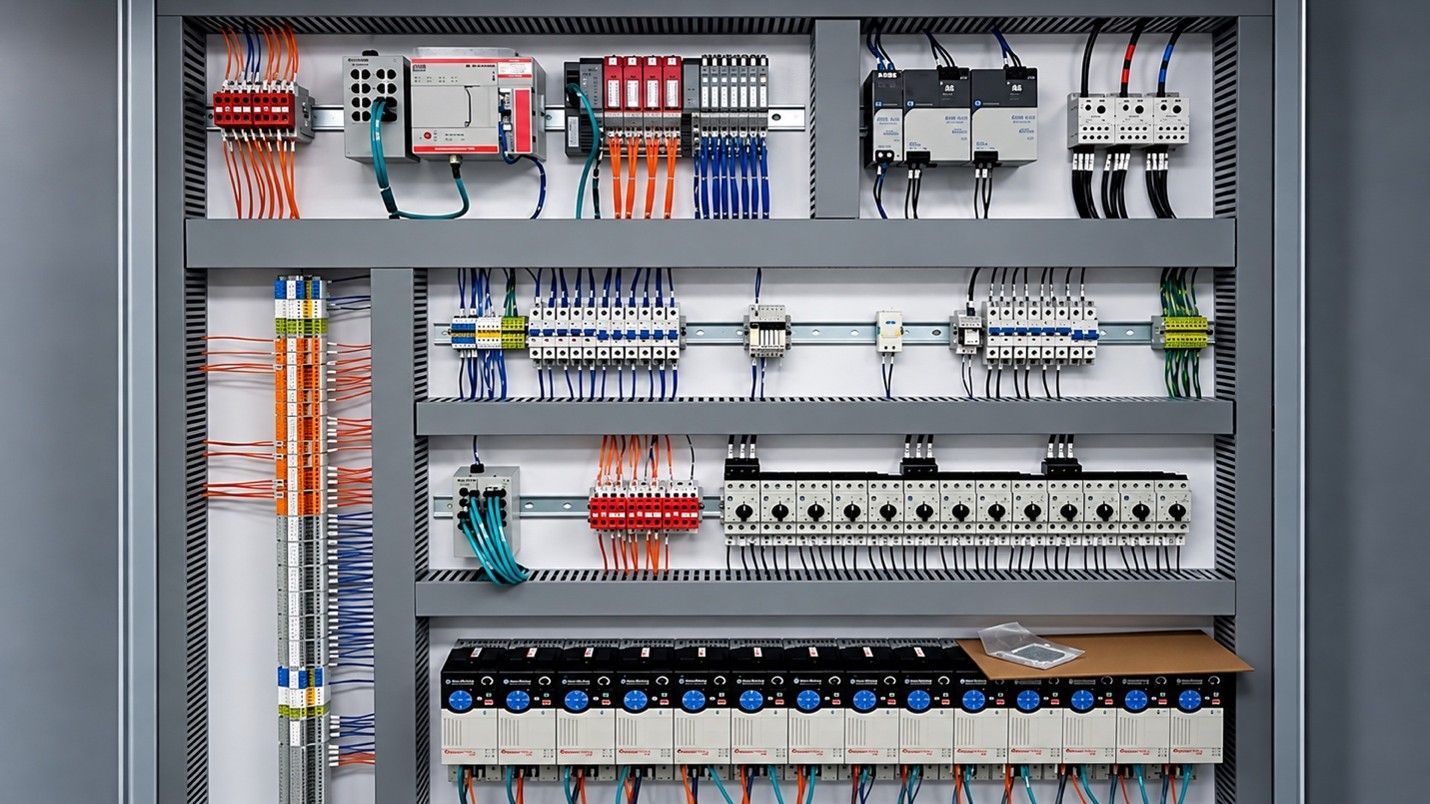
Industrial control panels are central to the operation of manufacturing equipment. They house the electrical components responsible for controlling machinery, distributing power, and supporting automated production processes.
When control panels become outdated, they can limit equipment functionality and create maintenance challenges.
At Recore, we provide the design, assembly, and wiring of UL-certified industrial control panels to support equipment modernization and system retrofitting projects.
Custom control panels can be designed around specific production requirements, equipment configurations, and operating environments.
A properly designed industrial control panel can support:
- Improved electrical component organization
- Simplified troubleshooting and maintenance
- Enhanced electrical protection
- Integration with modern automation technology
- Future equipment expansion
- Greater operational reliability
Replacing outdated control panels also provides manufacturers with an opportunity to standardize electrical components across multiple machines or production lines.
System Retrofitting vs. Complete Equipment Replacement
One of the most important decisions manufacturers face is whether to retrofit existing equipment or invest in complete replacement.
While equipment replacement may be necessary when machinery has reached the end of its mechanical lifespan, system retrofitting can provide a more practical solution when the underlying equipment remains structurally and mechanically sound.
| System Retrofitting | Complete Equipment Replacement |
|---|---|
| Typically lower upfront investment | Typically higher capital investment |
| Preserves functional infrastructure | Requires new equipment installation |
| Potentially shorter installation timelines | Often longer implementation timelines |
| Targeted technology improvements | Complete system modernization |
| Can leverage existing operator familiarity | May require extensive employee training |
| Extends existing equipment lifespan | Introduces a new equipment lifecycle |
The appropriate approach depends on equipment condition, production requirements, modernization objectives, and long-term facility plans.
The Industrial System Retrofitting Process
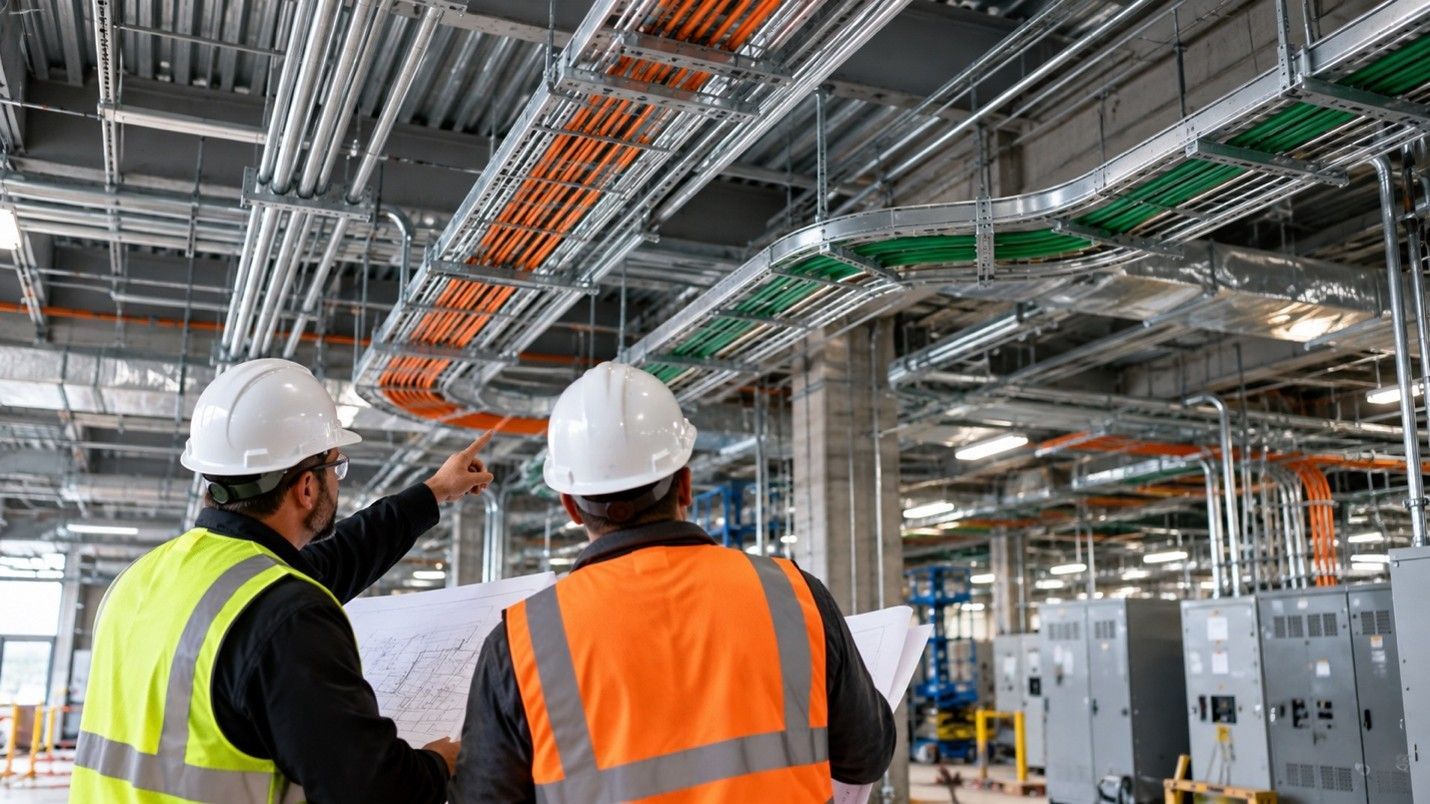
A successful system retrofitting project requires careful planning, electrical expertise, and coordination with facility operations.
System Assessment
The process begins with evaluating existing equipment, electrical infrastructure, control architecture, and operational challenges. This assessment helps identify obsolete components, reliability concerns, and modernization opportunities.
Engineering and Design
Once project requirements are established, electrical designs are developed to support equipment functionality, component compatibility, safety requirements, and production objectives.
Control Panel Assembly and Wiring
New control panels and electrical assemblies are built according to project specifications. Preparing components before on-site installation can help minimize production disruptions.
Installation and System Integration
Modernized electrical components are installed and integrated with existing equipment. Installation can be coordinated with scheduled maintenance periods or planned facility shutdowns.
Testing and Commissioning
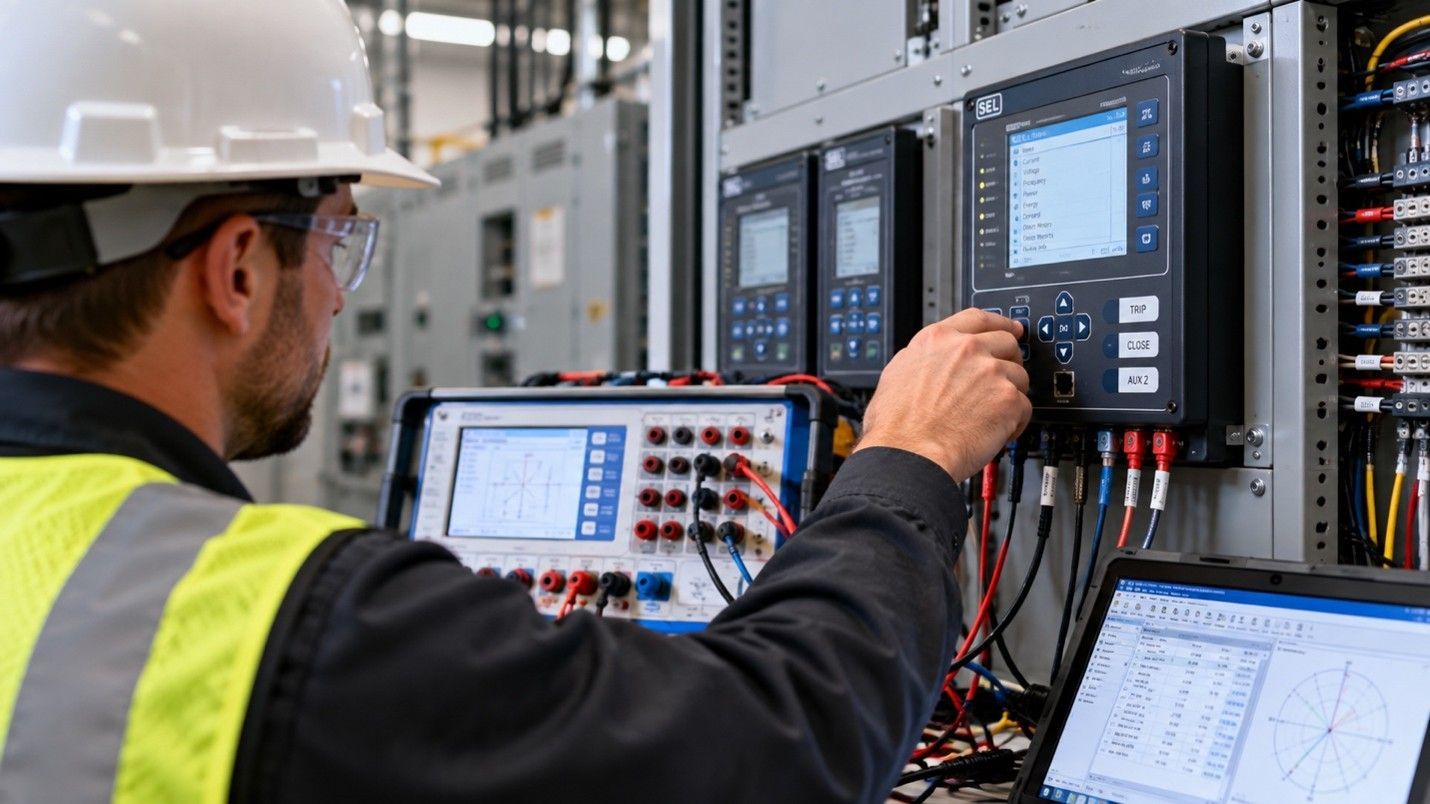
Following installation, systems are tested to verify electrical functionality, equipment communication, operational performance, and applicable safety functions before returning to normal production.
When Should You Consider System Retrofitting?
Manufacturers should consider system retrofitting before aging equipment becomes a significant operational liability.
Common indicators that a facility may benefit from retrofitting include:
- Frequent equipment breakdowns
- Discontinued electrical replacement parts
- Increasing maintenance costs
- Outdated programmable logic controllers
- Excessive energy consumption
- Limited production monitoring capabilities
- Difficulty integrating new equipment
- Electrical or machine safety concerns
- Production expansion requirements
Proactively addressing these issues can help facilities avoid emergency replacements and better control modernization expenses.
Modernize Your Production Processes with Recore
Industrial facilities do not always need to replace their equipment to achieve meaningful improvements in productivity, reliability, and efficiency.
System retrofitting provides a practical path toward modernization by combining existing infrastructure with advanced electrical and automation technology.
At Recore, we understand the importance of maintaining reliable production environments. Our system retrofitting capabilities, including the design, assembly, and wiring of UL-certified control panels, help manufacturers modernize aging equipment, simplify production processes, and prepare their facilities for future operational demands.
Whether your facility needs electrical control panel upgrades, equipment modernization, or broader industrial electrical improvements, Recore can help develop a solution tailored to your production requirements.
Contact Recore today to learn more about our industrial system retrofitting services and how we can help modernize your facility.