
Electrical Engineering Design and Construction: Reliable Facilities
Electrical engineering design and construction play a central role in modern industrial and commercial projects. From powering essential operations to supporting growth in energy demand, every project depends on a strong electrical backbone. Companies that combine engineering design with construction services deliver more reliable, scalable, and cost-effective systems. At Recore, we understand that designing and building facilities requires more than technical knowledge. It requires collaboration, foresight, and a dedication to both safety and efficiency.
This article explores the fundamentals of electrical engineering design and construction, the benefits of an integrated approach, and why medium voltage distribution systems are vital for large facilities.
What is Electrical Engineering Design and Construction?
Electrical engineering design and construction is the process of creating, planning, and implementing electrical systems that meet the operational needs of a facility. This involves much more than wiring or equipment installation. It requires a comprehensive design that considers power distribution, safety codes, future scalability, and coordination with mechanical and structural elements.
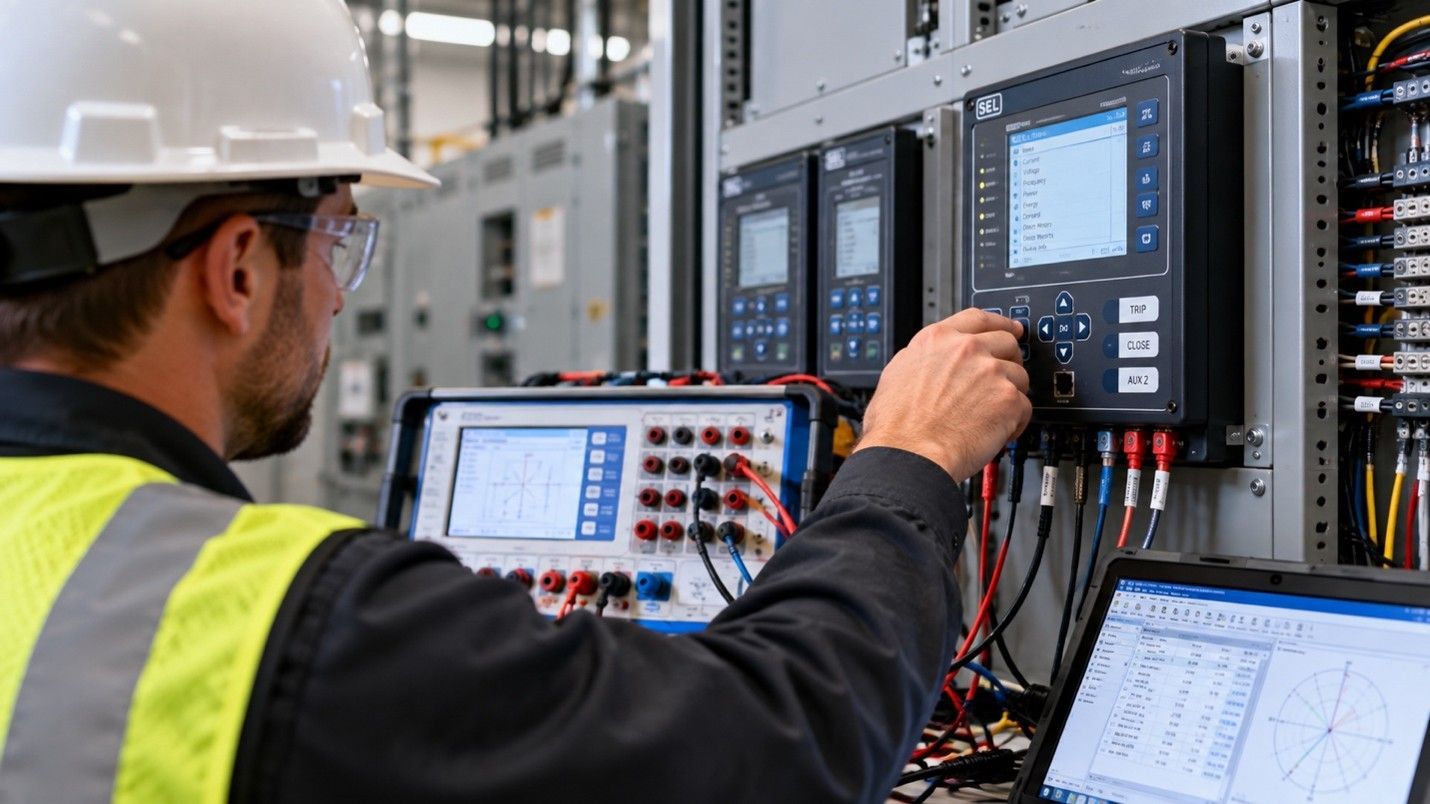
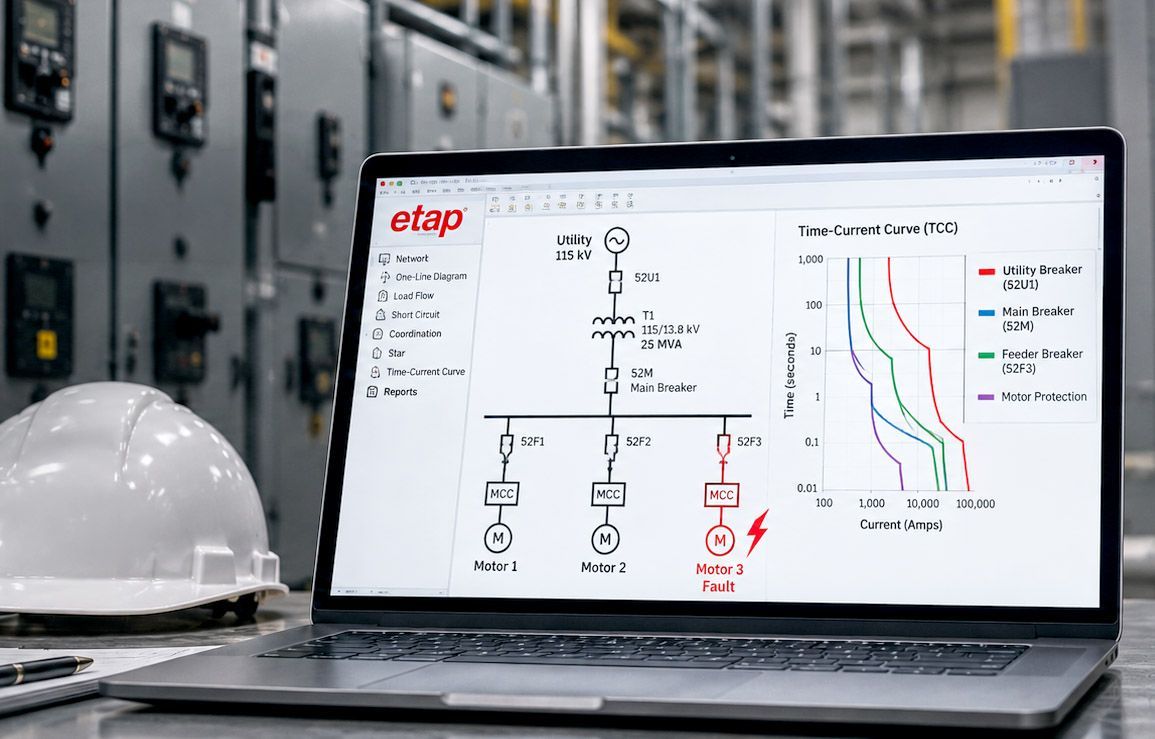
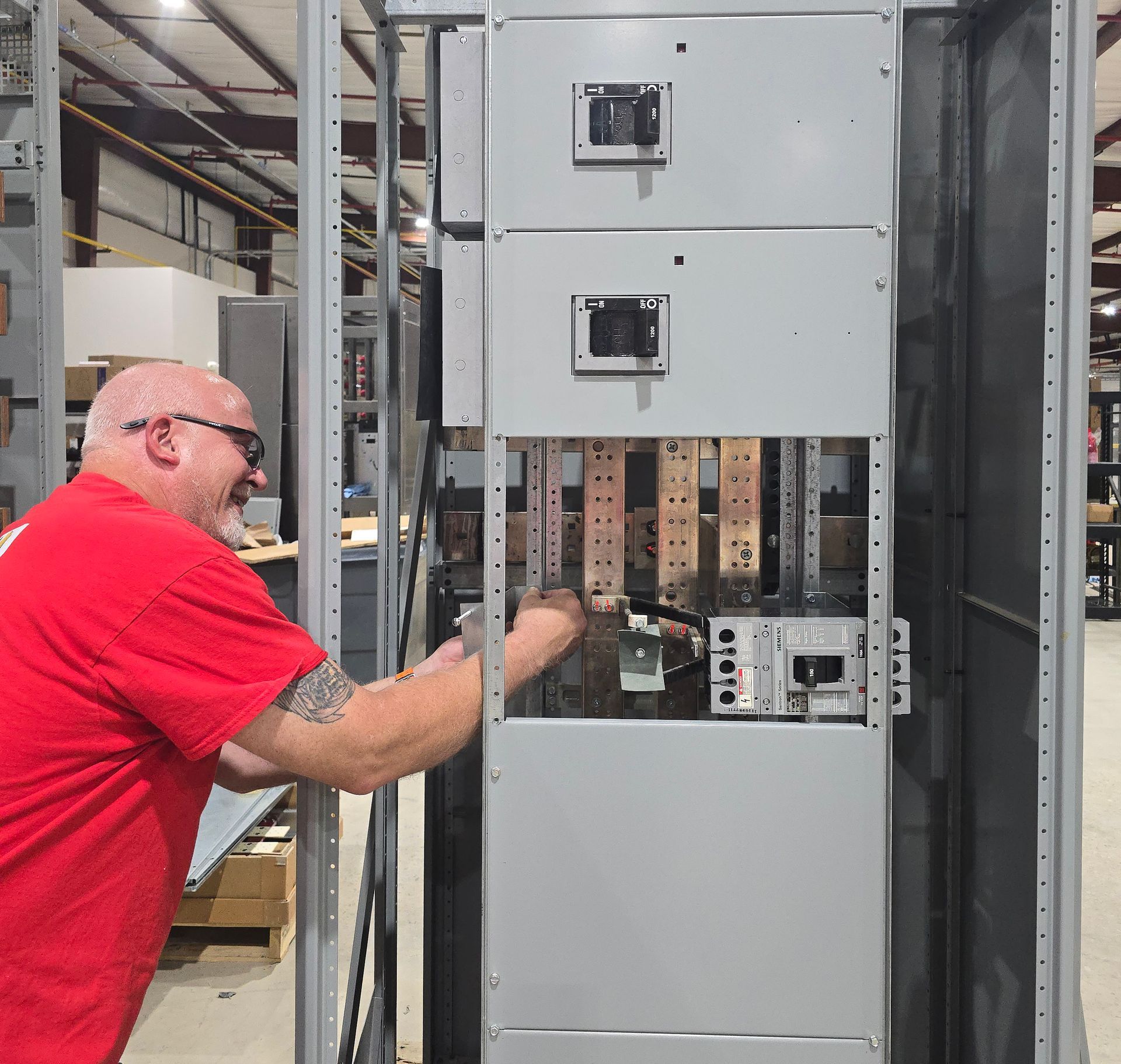
The design phase outlines system requirements, creates detailed electrical drawings, and establishes specifications. The construction phase transforms these designs into a working reality through skilled installation, testing, and commissioning. When handled by one integrated team, the process becomes more seamless and less prone to costly errors.
The Importance of Medium Voltage Power Distribution
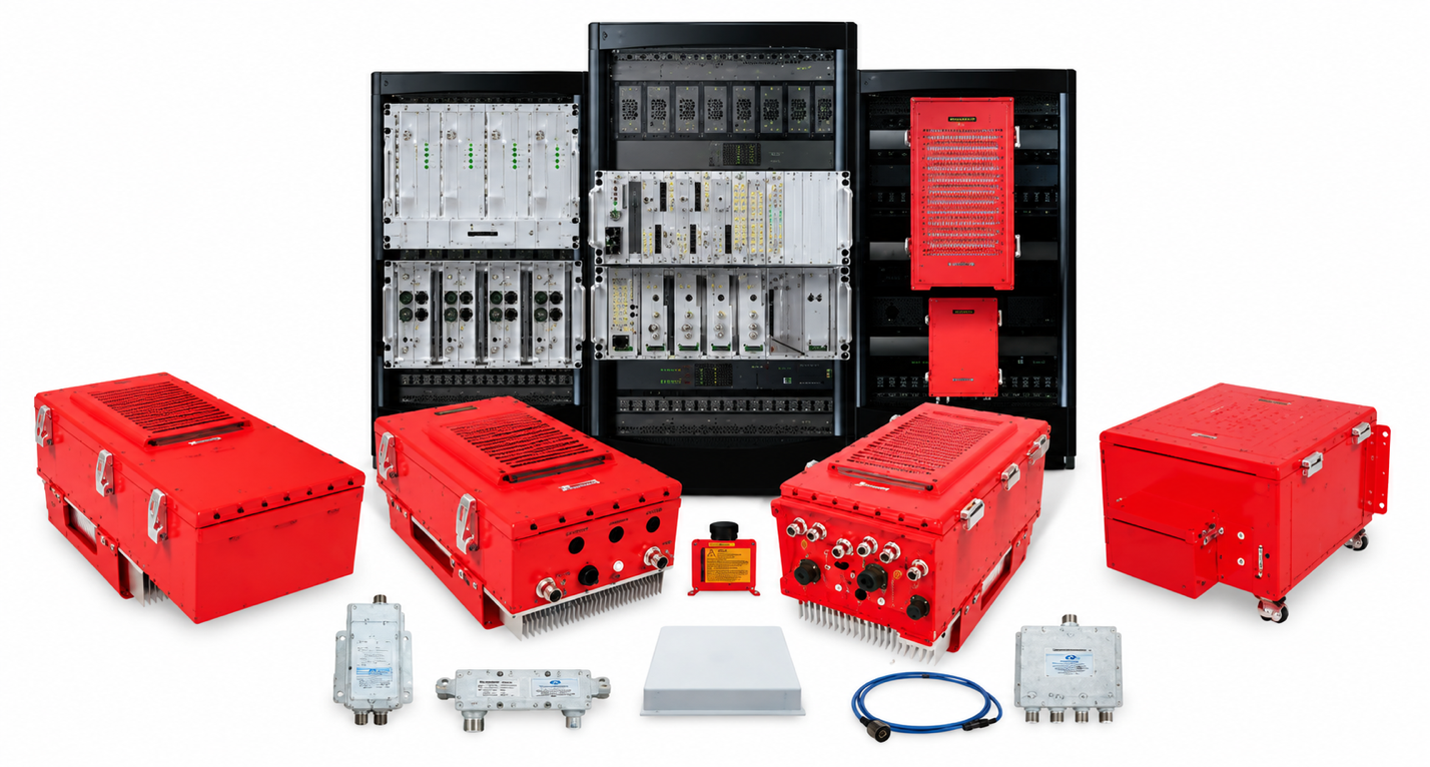
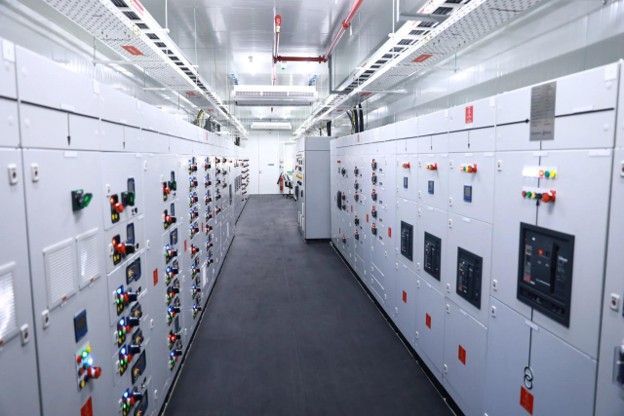
For industrial and commercial projects, medium voltage power distribution is essential. These systems provide the backbone of facility power. Recore engineers are experienced in medium voltage systems up to 25kV, ensuring that facilities can support both present and future demands.
Key benefits of medium voltage distribution include:
- Efficiency: Reducing line losses across long distances.
- Scalability: Allowing facilities to expand power capacity as operations grow.
- Reliability: Ensuring redundancy and minimizing downtime.
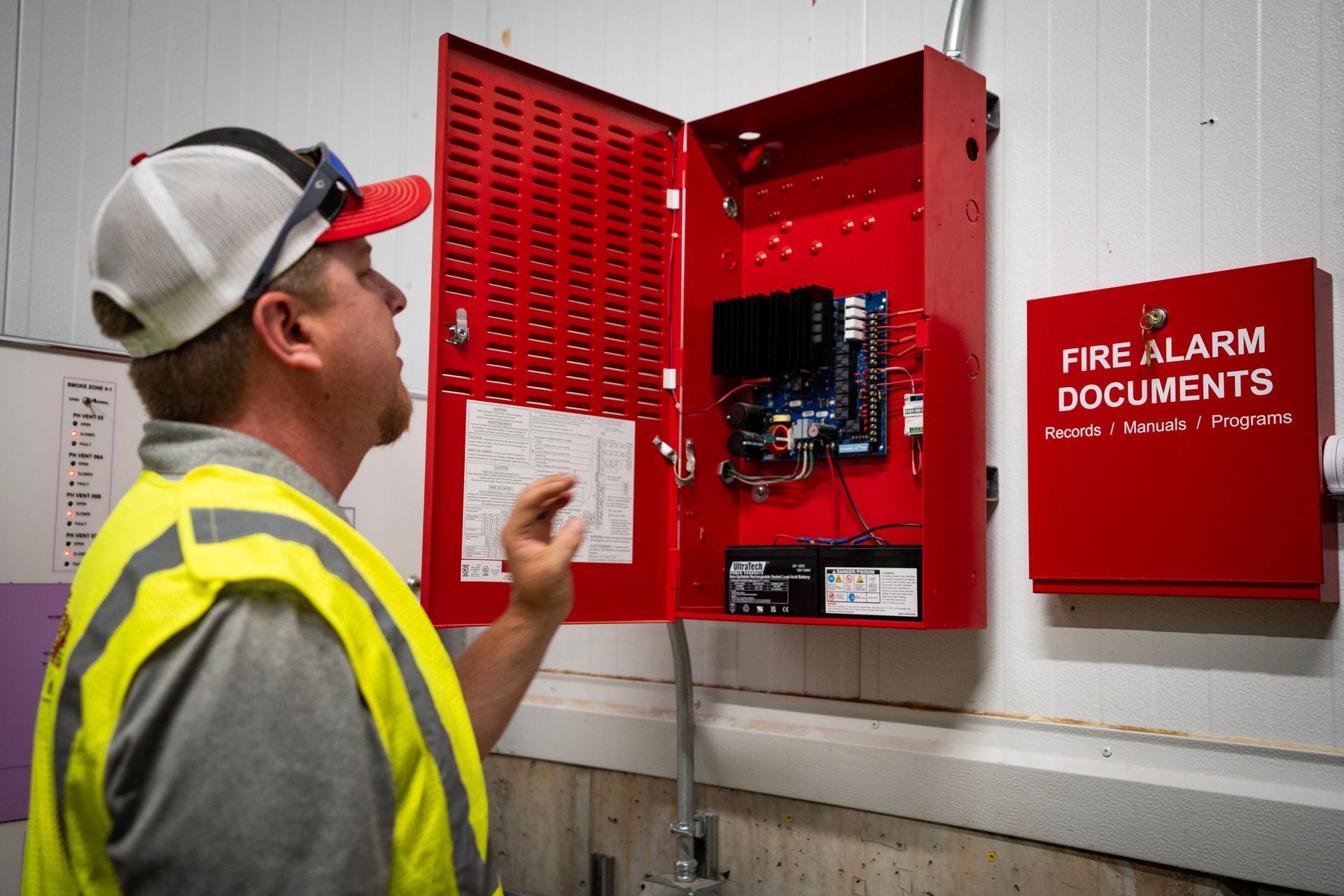
- Safety: Meeting stringent codes and standards to protect workers and equipment.
Benefits of an Integrated Design and Construction Approach
Traditional projects often separate the roles of engineering and construction. This can create gaps in communication, delays, and unexpected costs. A design-build approach, where electrical engineers and construction teams work together from the start, avoids many of these challenges.
1.
Streamlined Communication
When engineers, architects, and builders collaborate, problems are solved earlier, and changes can be addressed before they impact the budget.
2.
Cost Control
Design-build reduces the risk of scope creep. With a clear design and construction plan, clients benefit from more predictable project costs.
3.
Faster Delivery
Parallel workflows in design and construction shorten the project timeline. Facilities can begin operations sooner, creating value faster.
4.
Improved Quality
Integrated teams hold a shared responsibility for the outcome, which leads to higher-quality installations and fewer rework issues.
Meeting Safety and Compliance Standards
No electrical project is complete without strict adherence to safety codes and compliance requirements. Electrical engineers and contractors must follow guidelines such as the National Electrical Code (NEC), OSHA safety standards, and local building regulations.
The Occupational Safety and Health Administration (OSHA) highlights electrical hazards as one of the leading causes of workplace injuries. Proper design and construction practices reduce these risks, creating safer environments for workers and protecting company assets OSHA.gov.
Future-Proofing Facilities through Electrical Engineering
Modern facilities face increasing energy demands from automation, digital technology, and advanced manufacturing. Designing electrical systems with scalability in mind helps future-proof facilities. This includes:
- Planning for renewable energy integration.
- Designing flexible medium voltage systems that can expand.
- Using intelligent monitoring systems to improve efficiency.
- Building redundancy into critical systems.
Electrical engineers must consider not just today’s requirements but tomorrow’s opportunities. Facilities designed for adaptability reduce long-term operating costs and maintain competitiveness.
Case for Collaboration: Engineers, Architects, and Builders
Electrical systems cannot exist in isolation. They must integrate with mechanical systems, structural design, and overall facility architecture. Collaboration ensures that all systems support each other without conflict.
Examples of integration include:
- Coordinating electrical loads with HVAC systems.
- Designing lighting to fit architectural layouts.
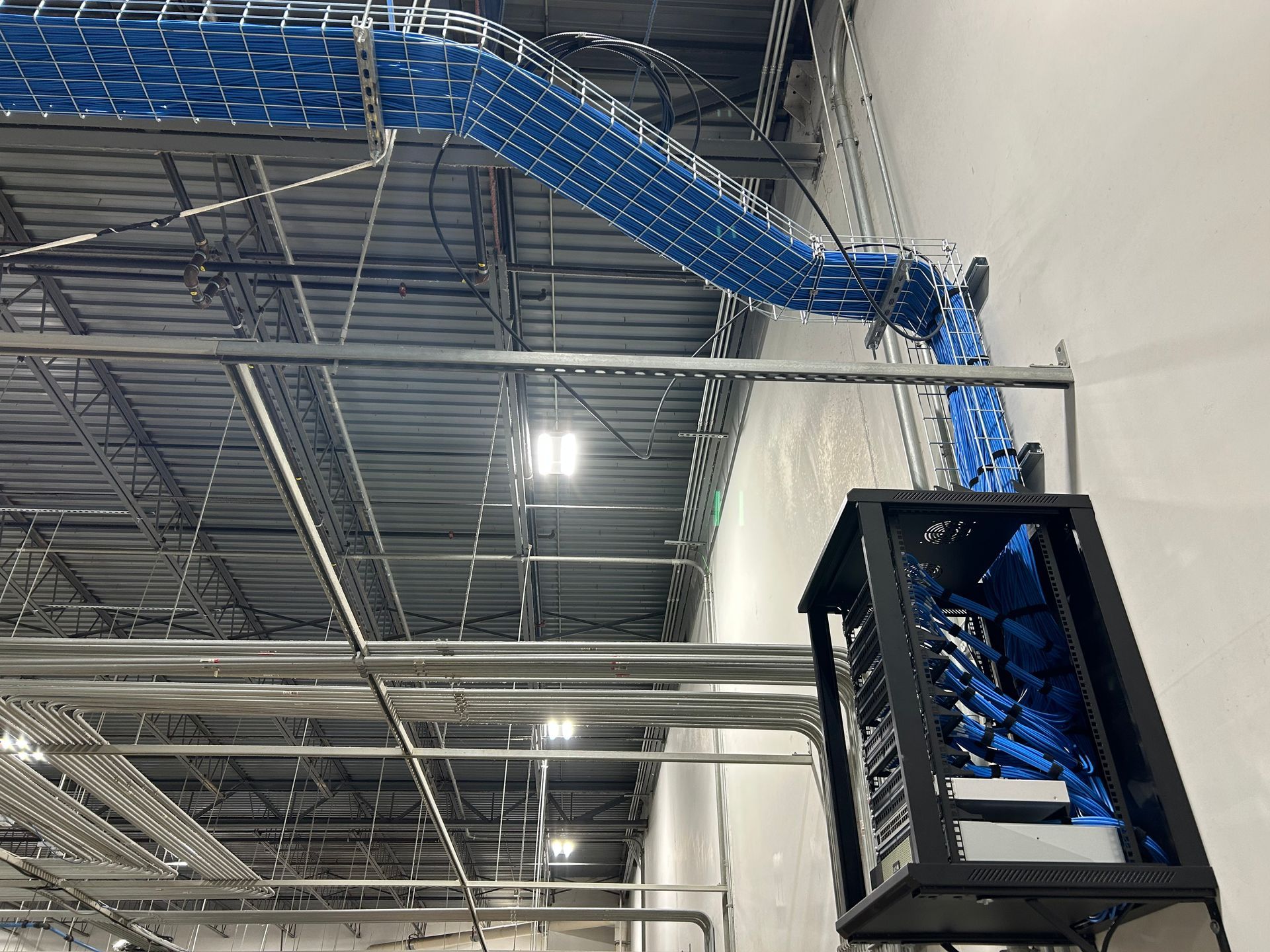
- Planning conduit and cabling pathways within structural elements.
By working as one team, engineers and builders create a seamless facility where every component works together.
Challenges in Electrical Engineering Design and Construction
Even with careful planning, challenges often arise in electrical projects. Common issues include:
- Unanticipated load requirements.
- Supply chain delays in critical components.
- Site conditions that conflict with initial design.
- Evolving safety regulations.
A proactive approach minimizes these risks. At Recore, we anticipate challenges during design and address them before construction begins. With experienced engineers and construction professionals, we deliver solutions that keep projects on track.
Electrical Engineering for Manufacturing and Food & Beverage Facilities
Every industry has unique electrical demands, but manufacturing and food and beverage facilities stand out for their complexity and regulatory requirements. Electrical engineering design and construction for these sectors must balance efficiency, safety, and reliability while ensuring compliance with industry-specific standards.
Manufacturing Facilities
Manufacturing plants often operate with heavy machinery, robotics, and automated processes that require stable and scalable power systems. Medium voltage distribution is particularly important in this setting, as it supports high-load equipment without overburdening the system. Electrical engineers also focus on integrating advanced monitoring systems to track energy usage and prevent downtime. By designing electrical systems with future automation in mind, manufacturing facilities can grow and modernize without facing costly redesigns.
Food and Beverage Facilities
Food and beverage operations present a different set of challenges. Electrical systems must support refrigeration, cleanroom environments, and continuous production schedules. In addition, they must comply with strict safety and hygiene standards set by organizations such as the U.S. Food and Drug Administration (FDA) and U.S. Department of Agriculture (USDA). Electrical engineers work closely with facility designers to coordinate layouts that keep power systems reliable while maintaining sanitary conditions. Redundancy is critical in these environments because even a short loss of power can result in product spoilage and significant financial loss.
By tailoring electrical engineering design and construction to the needs of manufacturing and food and beverage clients, Recore delivers facilities that meet both production demands and compliance obligations.
Why Choose Recore for Electrical Engineering Design and Construction
Recore brings together electrical engineering expertise and construction capabilities to deliver complete facility solutions. Our services include:
- Full design and documentation for new facilities.
- Medium voltage power distribution systems up to 25kV.
- Integrated design-build delivery.
- Comprehensive safety and compliance planning.
- Commissioning and testing to guarantee reliability.
With decades of combined experience, our engineers and builders are dedicated to delivering facilities that are efficient, scalable, and built to last.
Conclusion
Electrical engineering design and construction is more than a technical service. It is the foundation of every successful facility project. By uniting design and construction into one process, companies like Recore help clients reduce costs, improve reliability, and build facilities that support long-term growth.
From medium voltage distribution to compliance with OSHA and DOE standards, our approach is rooted in safety, efficiency, and collaboration. Choosing an integrated team for electrical engineering design and construction is the most effective way to achieve high-quality results while preparing for the future.